City

Tokyo

Tokyo is Japan’s capital, a vast city best understood through its many distinct neighborhoods rather than as one central district.

KantoCity overview
Tokyo

Description

Overview

Tokyo is Japan’s capital, but it makes the most sense when approached as a collection of neighborhoods rather than a city with one obvious center. For most visitors, the key question is not whether to stay in Tokyo, but which station area best fits the trip, whether the priorities are old-town sightseeing, shopping, nightlife, museums, airport access, Shinkansen travel, or a mix of several plans.

What the city is known for

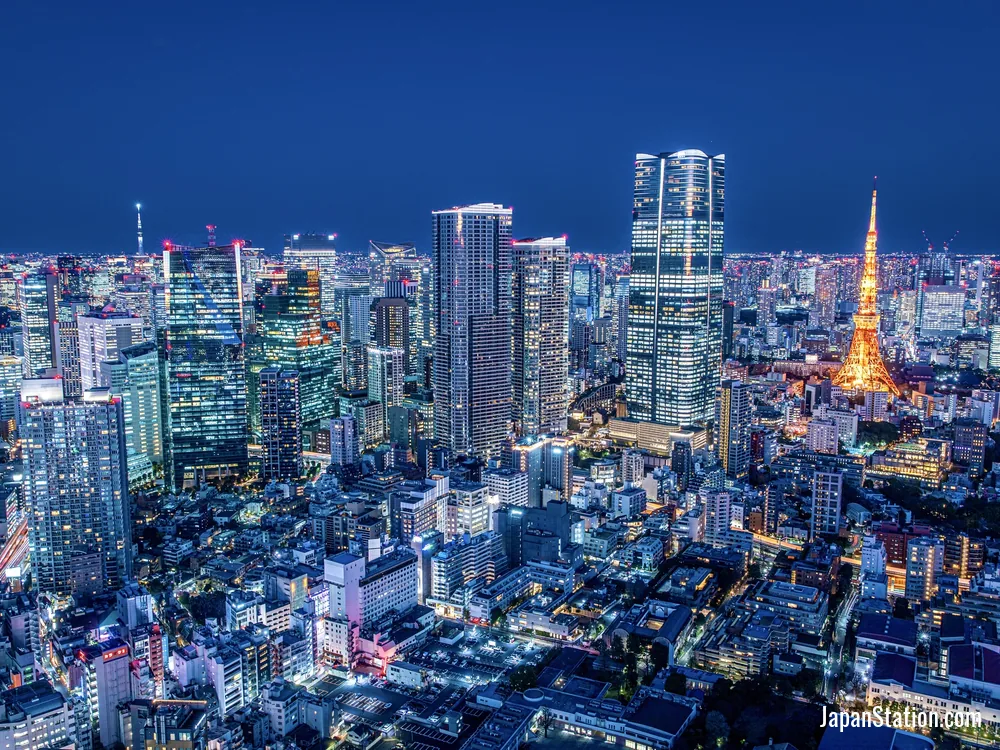
Tokyo’s appeal stretches from historic Asakusa, Sensoji, and the Sumida River to Ginza shopping, Shibuya nightlife, Shinjuku’s high-rise districts, Ueno museums, Ikebukuro entertainment, and newer waterfront and south-side areas around Shibaura, Shinagawa, and Takanawa Gateway.

It is also one of Japan’s great food cities, with department-store restaurants, station dining, ramen counters, sushi shops, cafes, bars, and neighborhood food streets spread across the city. Because that variety is so widely dispersed, evening location matters. Staying near the right station can save a lot of late-day backtracking.

Main areas

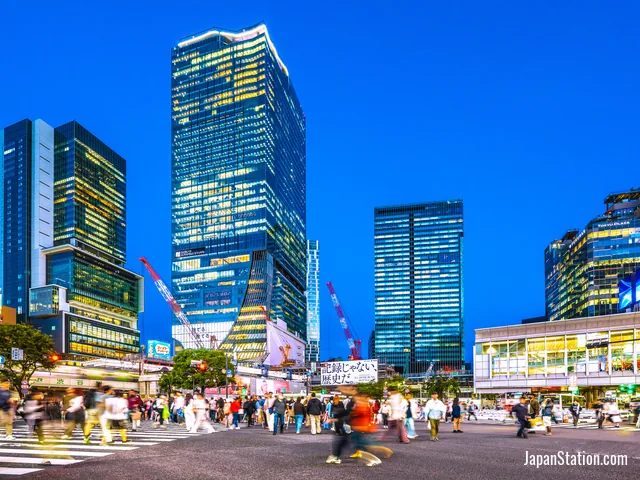
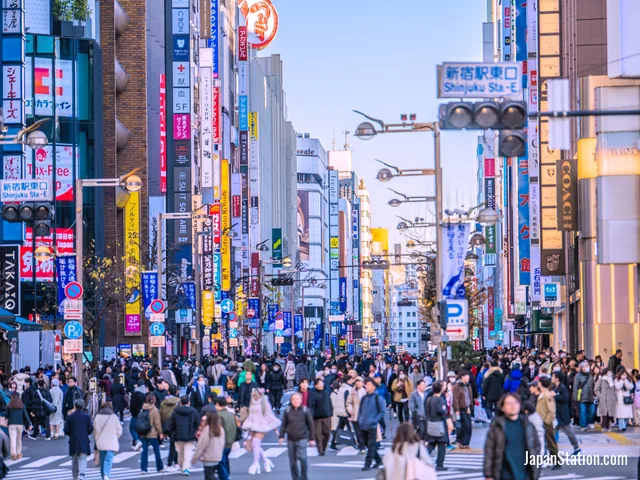
Shinjuku and Shibuya are strong west-side bases for nightlife, shopping, rail connections, and busy first-time Tokyo itineraries. Ginza is better for central shopping, dining, theater, and plans built around the subway.

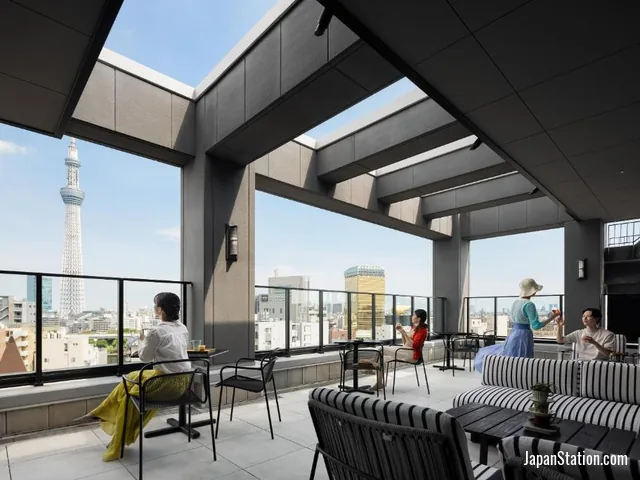
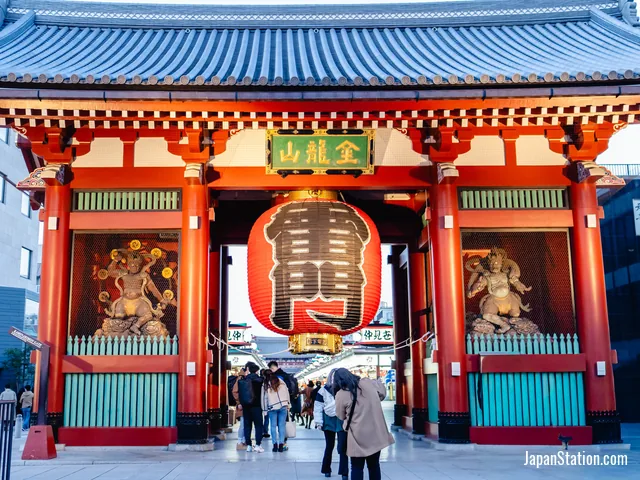
Asakusa offers a more traditional east-side base around Sensoji, Kaminarimon, Nakamise, and the Sumida River. Ueno is practical for museums, Ueno Park, Ameyoko, and rail routes toward northern Japan. Ikebukuro works well as a northern Tokyo base, with shopping, entertainment, and access to multiple rail operators.

Shinagawa, Hamamatsucho, Shibaura, and Takanawa Gateway are especially useful when transport is the priority. They suit travelers planning around Haneda Airport, the Tokaido Shinkansen, south Tokyo, Yokohama, or newer waterfront hotel areas.

Getting around and onward travel

Tokyo’s rail network combines JR lines, Tokyo Metro, Toei Subway, private railways, monorail, buses, taxis, and waterbus routes. In practice, visitors are usually better off choosing a hotel near the station or line they expect to use most, rather than assuming every Tokyo address is equally convenient.

Tokyo is served by Haneda Airport and Narita Airport. Haneda is closer to the city and connects especially well with Hamamatsucho via the Tokyo Monorail, as well as with Shinagawa and Asakusa-side routes through Keikyu and Toei connections. Narita is farther out, with rail options including the Narita Express and Keisei routes toward major Tokyo stations.

Where to stay and where to go next

Choose Shinjuku or Shibuya for west-side energy and broad rail coverage, Ginza for central shopping and dining, Asakusa for traditional east Tokyo, Ueno or Ikebukuro for northern routes, and Shinagawa or Hamamatsucho for airport and Shinkansen convenience.

Tokyo pairs naturally with Yokohama, Kamakura, Kawagoe, Nikko, Hakone, Mount Takao, and onward Shinkansen trips. The best base depends less on one universal “best area” and more on the side trips, airport plans, and late-night priorities that shape the itinerary.

Where to stay in this city

Compare practical stay areas by transport usefulness rather than by generic sightseeing rank.

Important stations

Stations that shape hotel choice and movement around the city.

Tokyo-Asakusa

Asakusa Station

Asakusa Station links Sensoji and Kaminarimon with the Tokyo Metro Ginza Line, Toei Asakusa Line, Tobu Skytree Line, airport rail, and Tobu trips toward Nikko.

  • Tokyo Metro Ginza Line (G19)
  • Toei Asakusa Line (A18)
  • Tobu Skytree Line (TS01)
  • Tsukuba Express (TX03)
Tokyo-Ginza

Ginza Station

Ginza Station is a Tokyo Metro station in central Tokyo, useful for Ginza shopping, dining, galleries, theaters, and subway travel across the city.

  • Tokyo Metro Ginza Line (G09)
  • Tokyo Metro Marunouchi Line (M16)
  • Tokyo Metro Hibiya Line (H09)
Tokyo-Shibaura

Hamamatsucho Station

Hamamatsucho Station is a south-central Tokyo interchange for JR Yamanote, JR Keihin-Tohoku, and Tokyo Monorail services, linking Shibaura, Daimon, Tokyo Tower, and Haneda Airport.

  • JR Yamanote Line (JY28)
  • JR Keihin-Tohoku Line (JK23)
  • Tokyo Monorail Haneda Airport Line (MO01)
Tokyo-Ikebukuro

Ikebukuro Station

Ikebukuro Station is a station page for transport access and verified hotel relationships.

  • JR Yamanote Line (JY13)
  • JR Saikyo Line
  • JR Shonan-Shinjuku Line
  • Tokyo Metro Marunouchi Line (M25)
  • Tokyo Metro Yurakucho Line (Y09)
  • Tokyo Metro Fukutoshin Line (F09)
  • Tobu Tojo Line (TJ01)
  • Seibu Ikebukuro Line (SI01)
Tokyo-Shibuya

Shibuya Station

Shibuya Station is a major west Tokyo interchange linking JR, Tokyo Metro, Tokyu, and Keio lines with Shibuya Crossing, shopping, nightlife, and Narita Express airport access.

  • JR Yamanote Line (JY20)
  • JR Saikyo Line
  • JR Shonan-Shinjuku Line
  • Tokyo Metro Ginza Line (G01)
  • Tokyo Metro Hanzomon Line (Z01)
  • Tokyo Metro Fukutoshin Line (F16)
  • Tokyu Toyoko Line (TY01)
  • Tokyu Den-en-toshi Line (DT01)
  • Keio Inokashira Line (IN01)
Tokyo-Shinagawa

Shinagawa Station

Shinagawa Station is a south Tokyo rail hub for Tokaido-Sanyo Shinkansen, JR local lines, Keikyu Haneda access, Narita Express, and nearby hotels.

  • Tokaido-Sanyo Shinkansen
  • JR Yamanote Line (JY25)
  • JR Keihin-Tohoku Line (JK20)
  • JR Tokaido Line
  • JR Yokosuka Line
  • Keikyu Main Line (KK01)
Tokyo-Shinjuku

Shinjuku Station

Shinjuku Station is Tokyo’s major west-side rail hub, connecting JR, subway, Odakyu, and Keio services with nearby hotels, shopping, nightlife, and highway buses.

  • JR Yamanote Line (JY17)
  • JR Chuo Line Rapid (JC05)
  • JR Saikyo Line (JA11)
  • JR Shonan-Shinjuku Line (JS20)
  • Tokyo Metro Marunouchi Line (M08)
  • Toei Shinjuku Line (S01)
  • Toei Oedo Line (E27)
  • Odakyu Odawara Line (OH01)
  • Keio Line / Keio New Line (KO01)
Tokyo-Ueno

Ueno Station

Ueno Station is a major northern Tokyo rail hub for Ueno Park, Ameyoko, Tokyo Metro connections, nearby Keisei Ueno access to Narita, and Shinkansen routes toward northern Japan.

  • JR Yamanote Line
  • JR Keihin-Tohoku Line
  • JR Utsunomiya Line / Takasaki Line
  • Tohoku, Joetsu, and Hokuriku Shinkansen
  • Tokyo Metro Ginza Line (G16)
  • Tokyo Metro Hibiya Line (H18)
Tokyo Station and Marunouchi

Tokyo Station

Tokyo Station is a major central Tokyo rail hub for Shinkansen routes, JR city and regional lines, the Marunouchi subway, Narita Express, shopping, dining, and station-area hotels.

  • Tokaido-Sanyo Shinkansen
  • Tohoku / Yamagata / Akita / Hokkaido / Joetsu / Hokuriku Shinkansen
  • JR Yamanote Line (JY01)
  • JR Keihin-Tohoku and Negishi Line (JK26)
  • JR Chuo Line Rapid (JC01)
  • JR Tokaido Line (JT01)
  • JR Utsunomiya Line / Takasaki Line (JU01)
  • JR Yokosuka Line / Sobu Line Rapid / Narita Line (JO19)
  • JR Keiyo Line (JE01)
  • Narita Express
  • Tokyo Metro Marunouchi Line (M17)
Tokyo-Akihabara

Akihabara Station

Akihabara Station links JR, Tokyo Metro Hibiya Line, and Tsukuba Express services in the heart of Akihabara’s electronics, anime, gaming, and shopping district.

  • JR Yamanote Line (JY03)
  • JR Keihin-Tohoku Line (JK28)
  • JR Chuo-Sobu Line (JB19)
  • Tokyo Metro Hibiya Line (H16)
  • Tsukuba Express (TX01)

More hotels in this city

Compact hotel links are grouped by stay area and include the clearest saved station access.

Tokyo-Ginza

Tokyo-Ikebukuro

Tokyo-Shinagawa

Tokyo-Shinjuku

Tokyo-Ueno

Tokyo-Asakusa

Tokyo-Shibaura

  • Fairmont TokyoLuxuryTokyo-ShibauraHamamatsucho Station (6-minute walk)

Takanawa Gateway City

Tokyo Station and Marunouchi

Tokyo-Akasaka

Tokyo-Akihabara

Latest updates