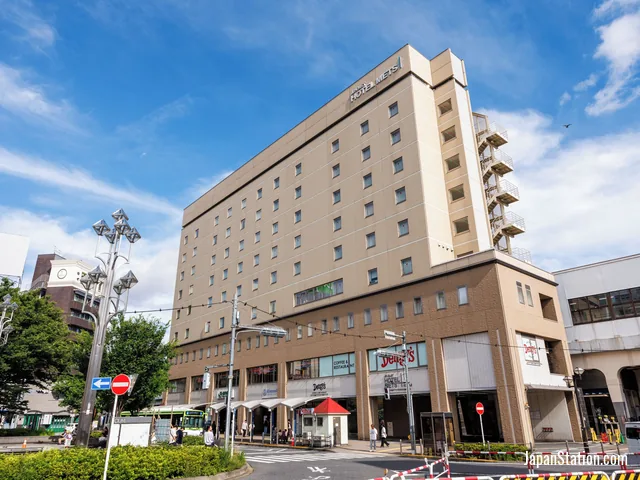
Overview
Koenji is a Suginami neighborhood centered on Koenji Station, west of Shinjuku on the JR Chuo corridor. It works well for travelers who want a more local Tokyo stay, with vintage shops, casual restaurants, independent bars, live music venues, and quick rail access back toward Shinjuku and central Tokyo.
What to expect
Koenji feels less like a polished terminal district and more like a lived-in neighborhood of small storefronts, shopping streets, and independent places to eat and drink. It is especially known for vintage clothing shops, distinctive restaurants and bars, and live music venues. A broad English-menu program among local restaurants also makes dining out easier for visitors.
The neighborhood is closely associated with Tokyo Koenji Awa-Odori. The event began in 1957 as a way to revitalize local shopping streets, takes place on the last weekend of August, and now attracts more than 10,000 dancers and over 1 million spectators.
Stations and access
Koenji Station is the main JR rail anchor for the area. From the station, JR routes connect to Shinjuku on the Sobu Line, Tokyo Station on the Chuo Line, and Shinagawa by combining the Chuo and Yamanote lines.
Shin-Koenji Station on the Tokyo Metro Marunouchi Line is another helpful reference point south of the JR station, particularly during Awa Odori. For the station-side hotel area, however, the JR station is the more direct point of access.
Where it fits in a trip
Choose Koenji if you want neighborhood dining, music, vintage shopping, and Chuo Line access instead of a large business district or major sightseeing hub. Shinjuku is close by rail, but Koenji's appeal is its own local atmosphere.
Good to know
Koenji is strongest for local nightlife, shopping streets, music venues, and neighborhood food rather than direct airport trains or Shinkansen access. On airport or bullet-train days, expect to transfer through larger Tokyo stations.