Overview
JR and Tokyu services come together at Kamata Station, the western rail hub of Tokyo-Kamata and the focus of the district's busiest commercial area. The JR Keihin-Tohoku Line handles north-south trips, while two Tokyu lines branch into southwest Tokyo.
Don't confuse it with Keikyu Kamata Station, a separate stop farther east on the Keikyu Airport Line.
Lines and connections
JR Keihin-Tohoku trains run north toward Shinagawa, Tokyo Station, and Ueno, and south toward Kawasaki and Yokohama. This is the simplest line from Kamata for central Tokyo and the Yokohama corridor.
The Tokyu Ikegami Line begins here and runs toward Gotanda through Ikegami and other residential neighborhoods. The Tokyu Tamagawa Line also starts at Kamata and reaches Tamagawa, where passengers can transfer toward the Toyoko and Meguro lines.
JR and Tokyu use adjoining but separate passenger areas. Follow the operator signs when transferring.
Airport access
There is no direct airport train from Kamata Station. A scheduled Keikyu Bus route runs to Haneda Airport, but it is a public bus, so road traffic can affect the journey.
For a rail journey to the airport, use Keikyu services from Keikyu Kamata after a street-level walk between the stations. There is currently no passenger rail link between them.
Station area
Restaurants, bars, shops, supermarkets, and everyday services cluster around both sides of the station. The west side is especially busy, while the east side leads toward Ota City offices and the route to Keikyu Kamata.
That concentration is helpful on longer stays. Meals and routine errands don't require a trip into central Tokyo.
What's nearby
Local food and public baths provide much of Kamata's visitor interest. Kamata Onsen, known for the area's dark mineral water, is about a ten-minute walk from the JR and Tokyu station.
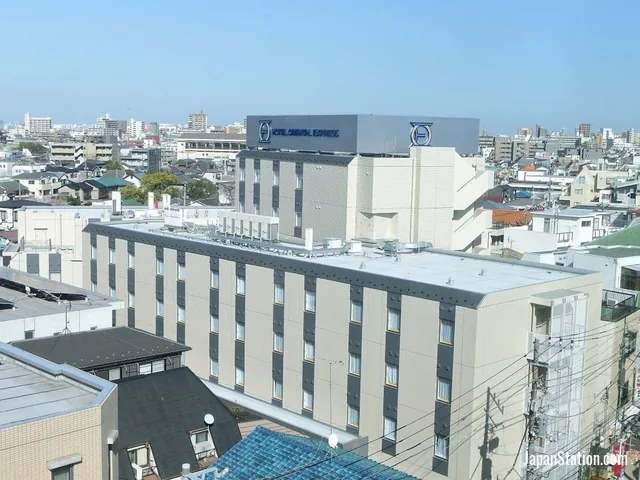
Hotel Oriental Express Tokyo Kamata is closer to Keikyu Kamata. The hotel is a 15-minute walk from Kamata Station, so this is a secondary arrival point rather than the natural choice when carrying luggage.
Good to know
Check the operator as well as the station name. JR and Tokyu services use Kamata Station, while Keikyu trains use Keikyu Kamata Station. Confusing the two can add an avoidable walk.