Overview
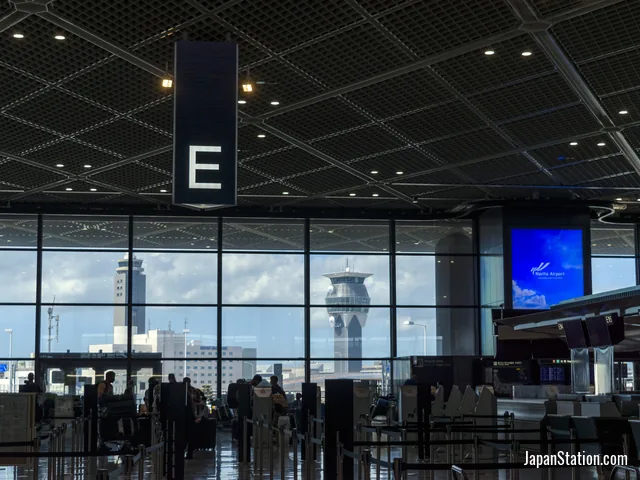
Kanto surrounds Tokyo on eastern Honshu and includes Tokyo, Kanagawa, Chiba, Saitama, Ibaraki, Tochigi, and Gunma. For many visitors, it is the first part of Japan they encounter through Haneda Airport, Narita Airport, Tokyo's major rail hubs, and the dense urban network around the capital. Beyond the city, the region also extends to port districts, shrine towns, hot springs, mountains, islands, and suburban rail corridors.
What the region is known for
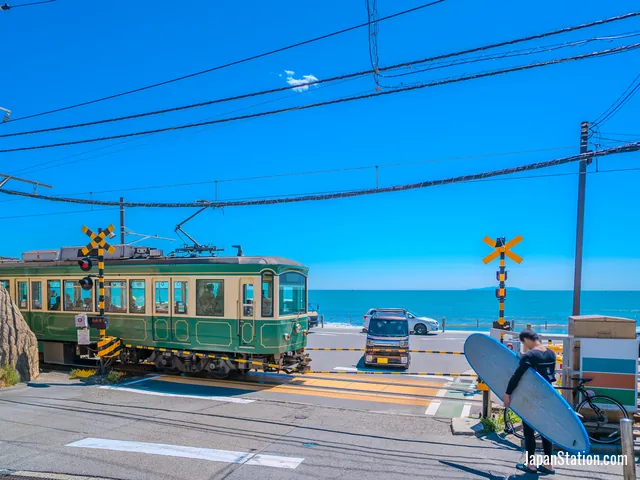
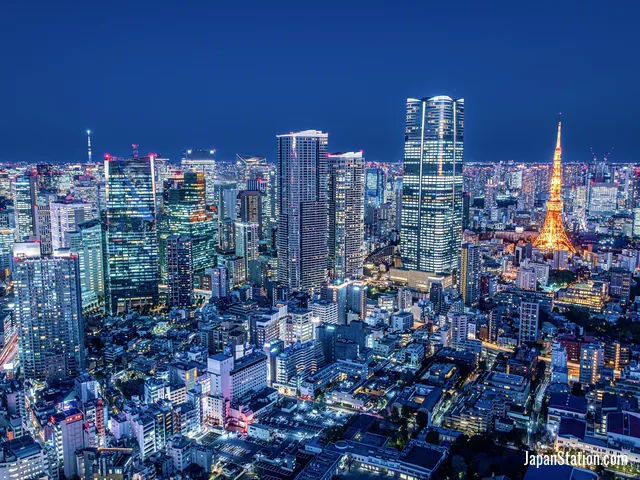
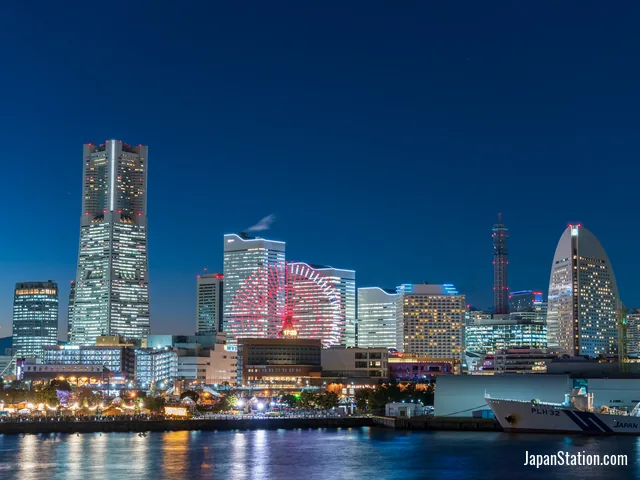
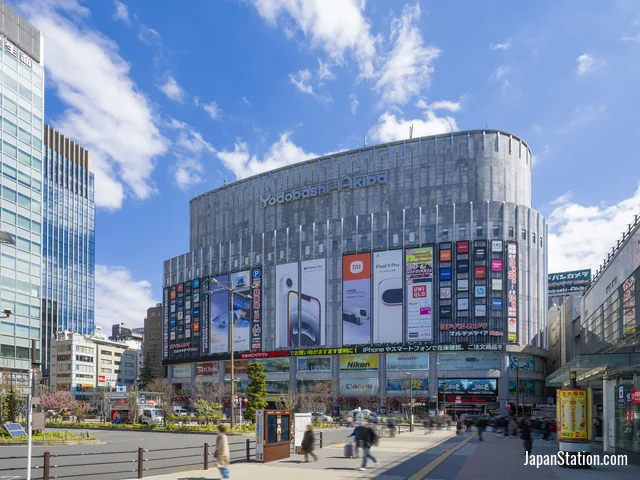
Kanto is shaped by the contrast between central Tokyo and side trips that are close enough for a day out or a short overnight stay. Tokyo offers shopping, dining, museums, nightlife, business districts, and some of Japan's busiest rail terminals. Yokohama works well as a port-city base with waterfront areas and strong rail links, while Kamakura and Enoshima add temples, beaches, and coastal trains to the same wider itinerary.
Hakone is the region's clearest indexed route for hot springs and mountain scenery. Nikko, Kawagoe, Chichibu, Narita, the Boso Peninsula, Tsukuba, Mito, Utsunomiya, Maebashi, Kusatsu Onsen, Minakami, and the Izu or Tokyo island routes are better suited to more focused trips built around shrines, old streets, hiking, hot springs, coastal food, or outdoor activities.
Main gateways
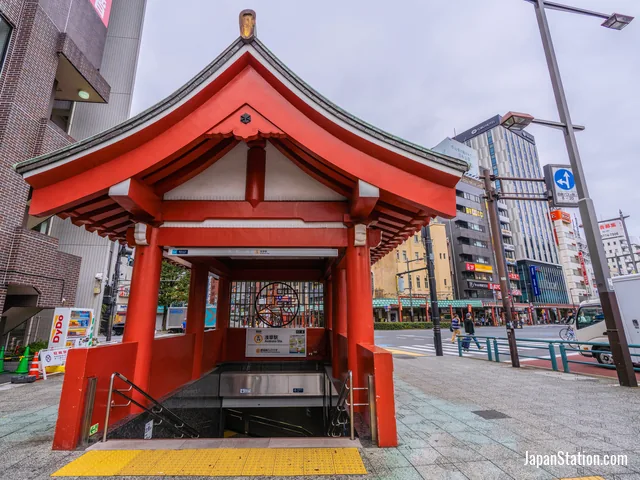
Use Tokyo Station and Marunouchi when your plans depend on Shinkansen timing, central Tokyo hotels, Ginza, Nihonbashi, or the Imperial Palace side of the city. Tokyo-Shinjuku is a better fit for western Tokyo rail links, nightlife, shopping, highway buses, and a broad hotel choice. Tokyo-Ueno and Tokyo-Asakusa are especially useful for old east Tokyo, museums, temples, and Narita-oriented rail options.
Tokyo-Shinagawa is useful for Haneda Airport access and Tokaido Shinkansen departures, while Tokyo-Ginza and Tokyo-Shibuya suit more district-focused city stays. Outside Tokyo, Yokohama Station Area, Kamakura Station Area, and Hakone-Yumoto help organize common side trips and overnight bases.
Getting around and onward travel
Haneda Airport connects directly to the Keikyu Line and Tokyo Monorail. Narita Airport rail access uses Narita Sky Access, Keisei, and JR lines, including services toward Ueno, Nippori, Tokyo, Shinagawa, Shibuya, Shinjuku, and Yokohama. Your airport choice should help guide the first or last hotel base.
For longer trips, Tokyo, Ueno, Omiya, Shinagawa, and Yokohama each shape different onward routes. JR East Shinkansen lines run north and northwest toward Tohoku, Joetsu, and Hokuriku destinations, while the Tokaido Shinkansen leaves the region toward Nagoya, Kyoto, and Osaka. Private railways, JR local lines, subways, buses, and ferries cover routes to Hakone, Nikko, Kamakura, Chichibu, Narita, the Boso Peninsula, and island destinations.
Where to stay
Choose a Tokyo base for the widest transport choices, late-night dining, museums, shopping, and onward rail connections. Yokohama is a strong option for a port-city stay with access to both Tokyo and Kamakura. Kamakura suits a slower overnight focused on the coast and temples. Hakone-Yumoto and nearby onsen areas are better when hot springs and mountain scenery matter more than city access.
Good to know
Kanto may look compact on a national map, but station choice still matters. A Haneda-friendly base can be inconvenient for Narita, and a Shinkansen-focused base may add transfers for coastal or mountain routes.