Overview
Ebisu and Meguro meet across a slope rather than around one compact center. Ebisu Station anchors the northern side, where restaurants and bars spread west of the tracks and Yebisu Garden Place extends southeast. Farther south, Meguro Station serves a separate cluster above the Meguro River.
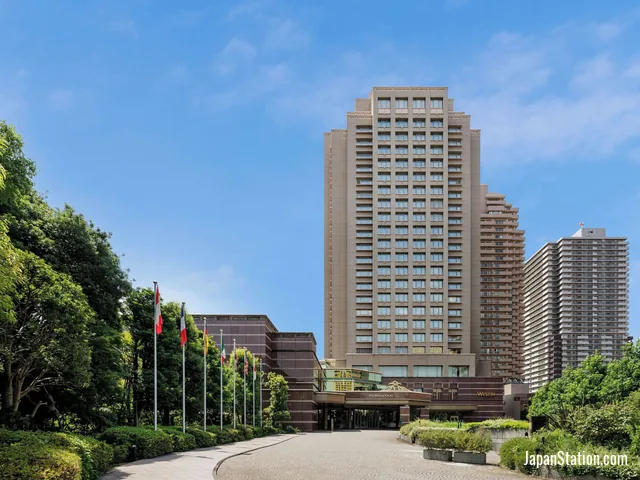
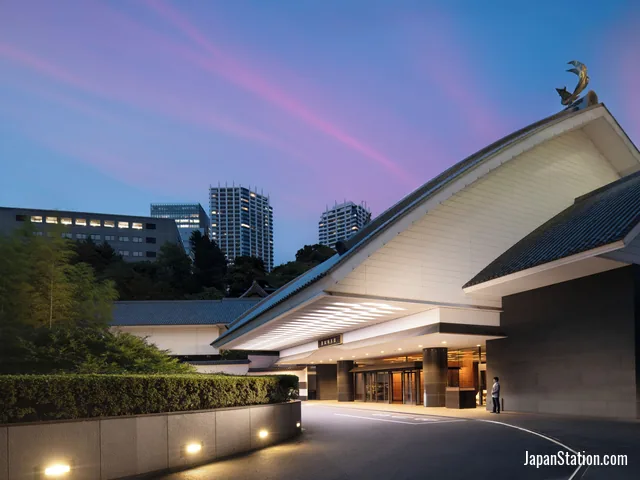
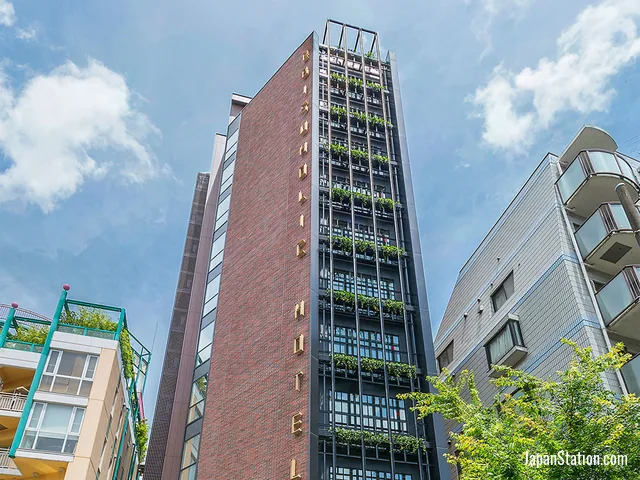
Hotels may be grouped around Yebisu Garden Place, along the streets between the two rail centers, or on the river side of Meguro. The right access point still matters. Walking between the two centers takes time, and the route involves noticeable changes in elevation.
What the area is known for
Ebisu has two distinct moods. Small restaurants, casual bars, and Ebisu Yokocho keep the streets closest to the tracks lively after dark. At Yebisu Garden Place, broad plazas and landscaped spaces bring together restaurants, Yebisu Brewery Tokyo, and the Tokyo Photographic Art Museum on the former brewery site.
Meguro becomes more residential beyond the busiest roads. The Meguro River runs downhill to the west, bordered by riverside paths and rows of cherry trees. East of the tracks, the Tokyo Metropolitan Teien Art Museum and Institute for Nature Study add a greener, quieter edge.
Stations and access
Ebisu Station combines the JR Yamanote, Saikyo, and Shonan-Shinjuku lines with the Tokyo Metro Hibiya Line. Shibuya is one stop away on the Yamanote Line, while direct Hibiya Line trains run toward Roppongi, Ginza, Akihabara, and Ueno. For Yebisu Garden Place, use the East Exit and Yebisu Sky Walk.
Meguro Station is also on the Yamanote Line. The Tokyu Meguro Line, Tokyo Metro Namboku Line, and Toei Mita Line connect the southern half of the area with central Tokyo and the Tokyu network. Neither has Shinkansen service.
Where it fits in a trip
Stay here for dining, art, and strong rail connections without the constant intensity around Shibuya Crossing. Ebisu favors restaurants, nightlife, and Hibiya Line journeys. Meguro is better matched to quieter evenings and trips using the Namboku, Mita, or Tokyu Meguro Line.
The tradeoff is a divided neighborhood. A hotel near Yebisu Garden Place may be seven to ten minutes from Ebisu Station, while a Meguro River address can be downhill from Meguro Station at the foot of a steep slope. Check the actual walking route rather than relying on the area name alone.
Good to know
The spelling changes with the context. The rail stop and neighborhood use Ebisu, while the historic beer brand, brewery, and Garden Place development use Yebisu.
Meguro rail platforms are physically in Shinagawa City even though it serves the Meguro area. That administrative detail rarely affects a visit, but it explains why official addresses can appear inconsistent with the station name.