Overview
Chubu covers the central part of Honshu between the Tokyo side and the Kyoto-Osaka side. For trip planning, it is best understood as a set of connected areas rather than one straightforward corridor. Tokai follows the Pacific coast and the Tokaido Shinkansen, Hokuriku faces the Sea of Japan, and Shinetsu and inland routes lead toward Nagano, Matsumoto, Niigata, and the Japan Alps.
What the region is known for
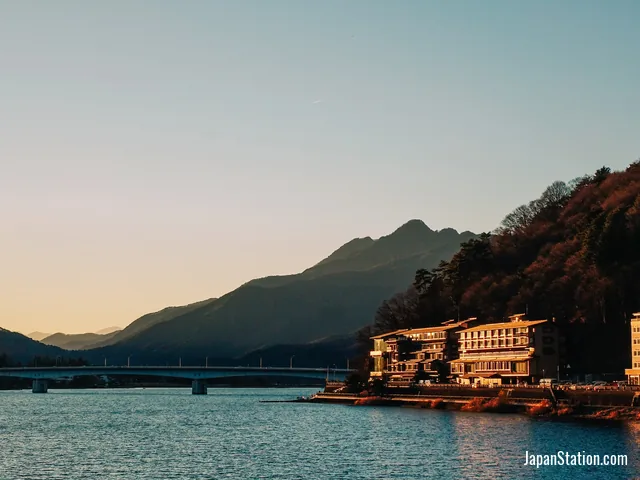
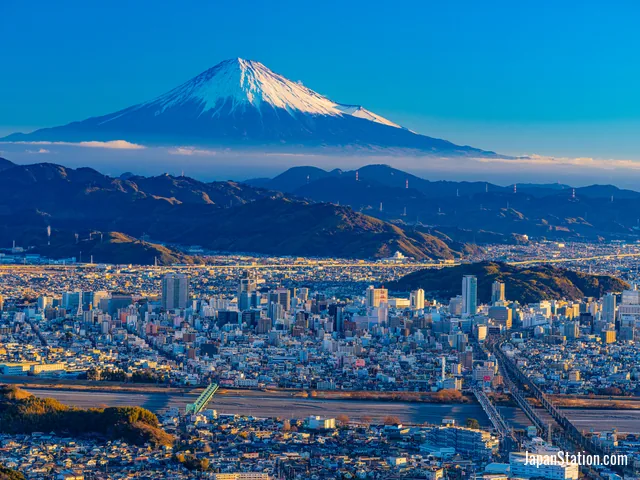
Chubu brings together major rail cities, mountain scenery, castle towns, hot springs, craft districts, coastal seafood, green tea areas, industrial heritage, and routes toward Mt. Fuji and the Japan Alps. Tokai is shaped by the Shinkansen between Tokyo and Kyoto, with Nagoya as its largest urban anchor. Shizuoka, Hamamatsu, Gifu, Takayama, Ise-Shima, and the Izu side support more focused regional trips.
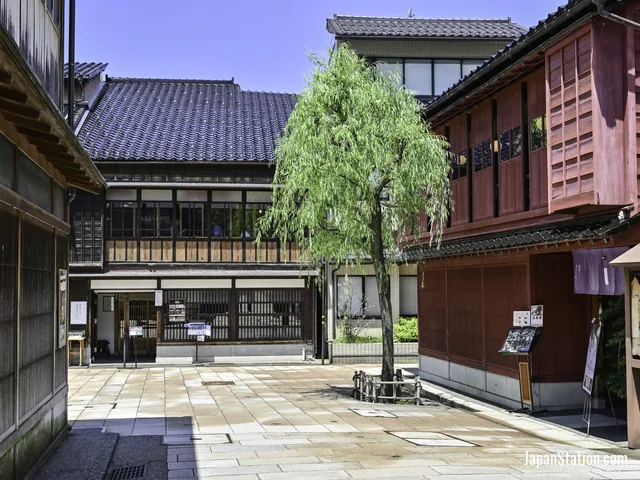
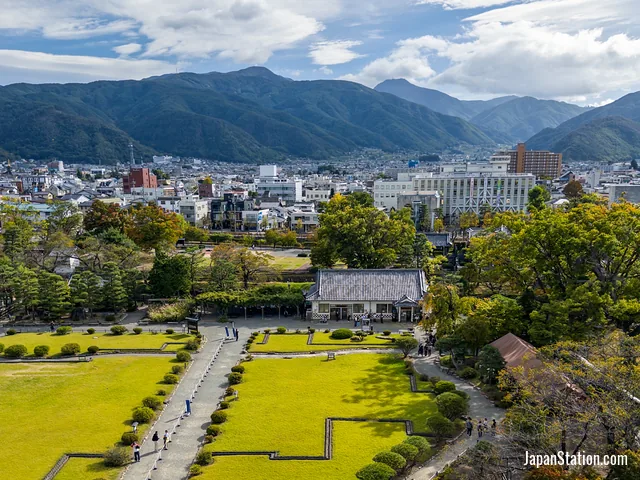
Hokuriku-Shinetsu has a different pace. Kanazawa is known for gardens, historic districts, markets, museums, and craft culture. Toyama works well for mountain and coastal routes, while Nagano and Matsumoto are useful for alpine access, castle-town stays, skiing, hiking, and bus connections. Niigata and Fukui add Sea of Japan travel, seafood, sake, hot springs, and onward rail planning.
Main gateways
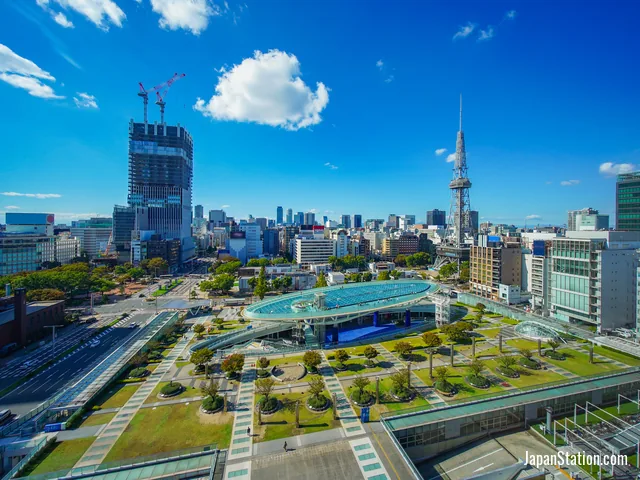
Use Nagoya Station Area for the broadest indexed base in Chubu, especially if your trip depends on the Tokaido Shinkansen, Meitetsu airport trains, Kintetsu, subway access, shopping, restaurants, and central-city hotels. Nagoya-Sasashima Live is a more specific Nagoya-side choice when your stay is tied to that redevelopment area.
Shizuoka Station Area and Central Hamamatsu work well for Pacific-side city stays on or near the Tokaido route. On the Sea of Japan side, Kanazawa Station Area is the main rail-oriented base, while Kanazawa-Korinbo is better for sightseeing and dining in the central city. Toyama Station Area, Nagano Station Area, and Matsumoto Station Area each suit a different mix of Shinkansen, mountain, castle, bus, and regional rail plans.
Getting around and onward travel
The Tokaido Shinkansen carries the main Pacific-side flow between Tokyo, Nagoya, Kyoto, and Osaka. Chubu Centrair International Airport is linked to Nagoya by Meitetsu rail, with the fastest airport trains taking about 28 minutes. On the northern side, the Hokuriku Shinkansen now runs from Tokyo through Nagano, Toyama, Kanazawa, and Tsuruga, changing how travelers combine Hokuriku with Kansai.
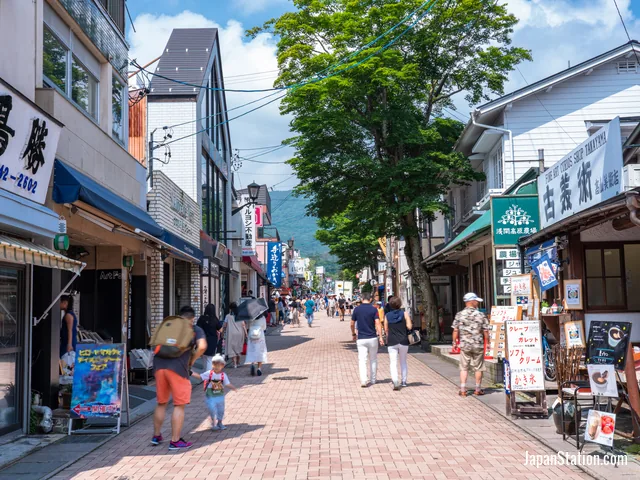
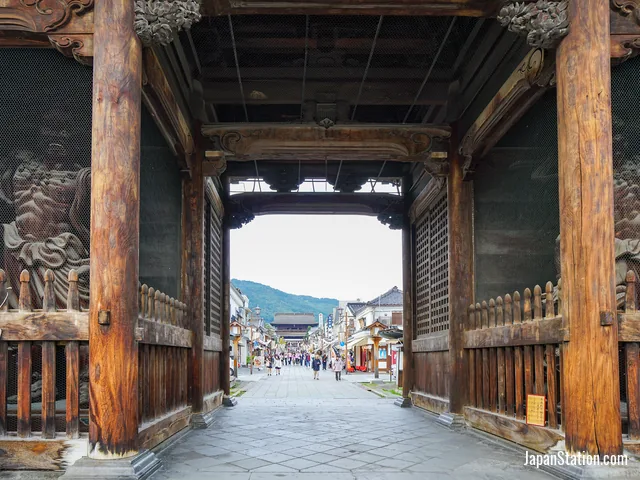
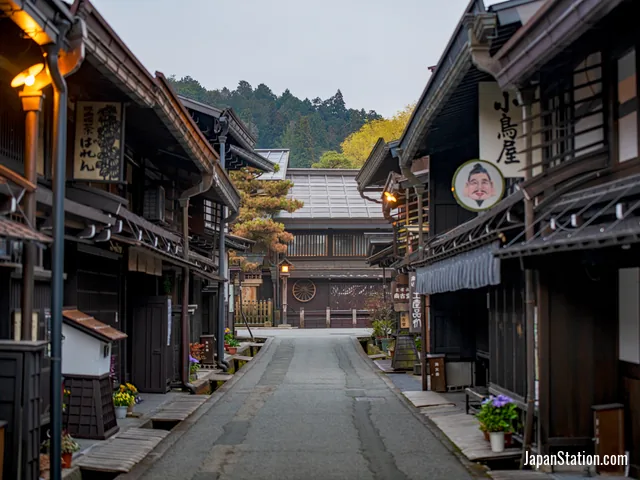
Away from the high-speed corridors, local rail, private rail, limited express trains, highway buses, rental cars, and seasonal mountain transport become more important. Takayama, Shirakawa-go, the Kiso Valley, Kamikochi, Tateyama Kurobe, Ise-Shima, the Noto Peninsula, and many onsen towns usually require more planning than a simple Shinkansen stop.
Where to stay
Choose Nagoya for the strongest urban base, airport rail, Tokaido Shinkansen access, and routes toward Gifu, Ise, Toyota, or western Shizuoka. Choose Shizuoka or Hamamatsu for Pacific-side stays with city access and regional side trips. Choose Kanazawa when the trip centers on Hokuriku culture and sightseeing, Toyama for alpine or coastal routes, and Nagano or Matsumoto when mountains, castles, ski areas, or bus-based alpine itineraries shape the schedule.
Good to know
Chubu distances are easy to underestimate because the region spans both coasts and several mountain corridors. A base that works beautifully for the Tokaido Shinkansen may be inconvenient for Hokuriku, and even a strong Hokuriku rail base may still require buses or local rail for mountain towns and coastal peninsulas.