Overview
Fujikawaguchiko covers four of the Fuji Five Lakes on the northern side of Mount Fuji. Lake Kawaguchi is the busiest and easiest to reach from Tokyo, while Saiko, Shojiko, and Motosuko extend west into quieter landscapes shaped by forests, camping, and outdoor trips.
Most visitors arrive at Kawaguchiko Station and then make a second connection to their hotel or first sight. Local buses cover the lakes, while hotel shuttles and taxis handle many final transfers. The station is inland from the shore. That distinction matters because the town spreads across four lakes, and the easiest place to arrive isn't necessarily the best place for water views or evenings beside the lake.
What the town is known for
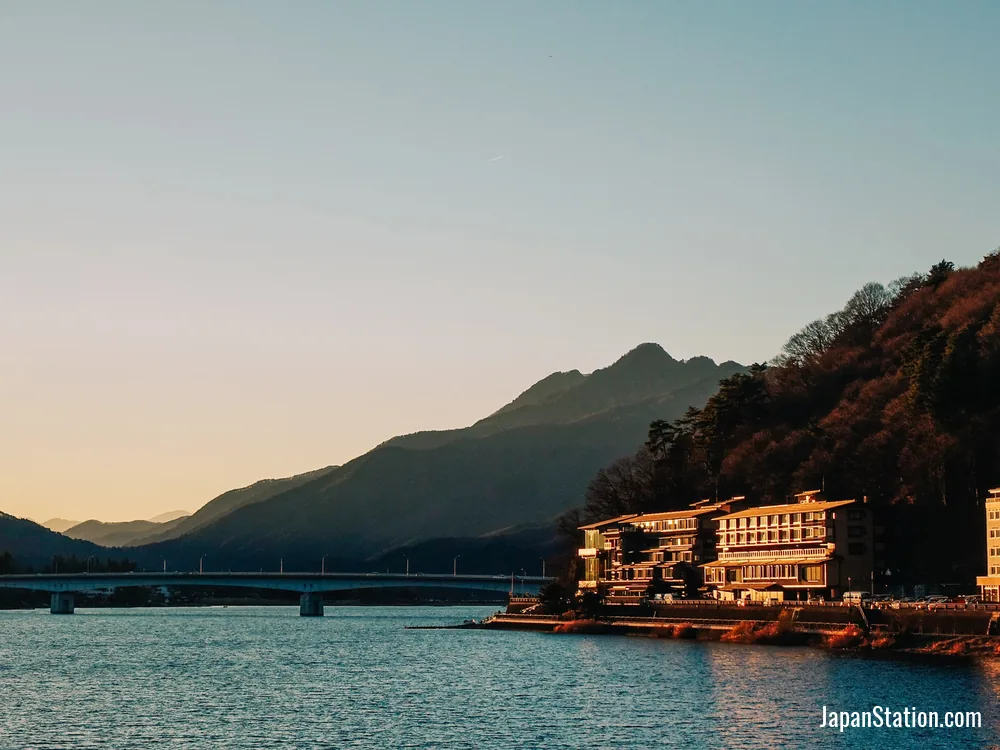
Lake Kawaguchi has the town's broadest mix of sightseeing and accommodation. Hot-spring hotels line parts of the shore, museums cluster on the eastern and northern sides, and the ropeway climbs above the southeast corner for views across the lake. Walking and cycling also work well along shorter stretches of shoreline.
Mount Fuji shapes the experience, but the view depends on the weather. Early morning often gives you a better chance before haze or clouds build, so allow more than one viewing window rather than planning the entire visit around a single stop.
The western lakes have a different pace. Saiko is known for forest trails, caves, and a reconstructed thatched-roof village. Smaller Shojiko and Motosuko feel less developed, appealing to visitors interested in camping, hiking, fishing, or quieter Fuji views.
Main areas
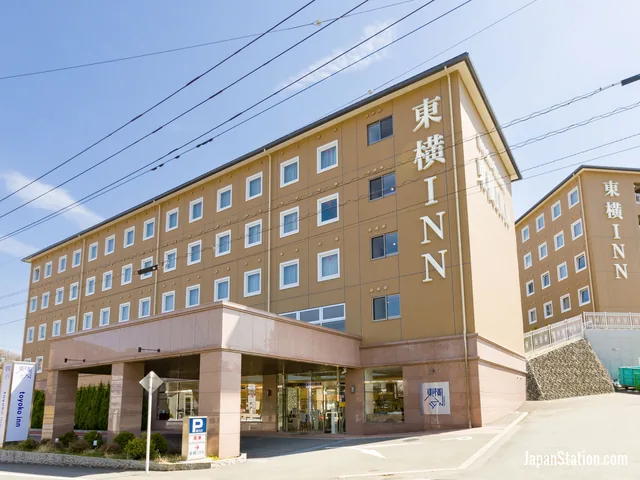
The Kawaguchiko Station Area in Funatsu handles most train and highway-bus arrivals. Staying nearby makes luggage, early departures, sightseeing buses, and restaurant access easier to manage, though the immediate streets don't feel like a lakeside resort.
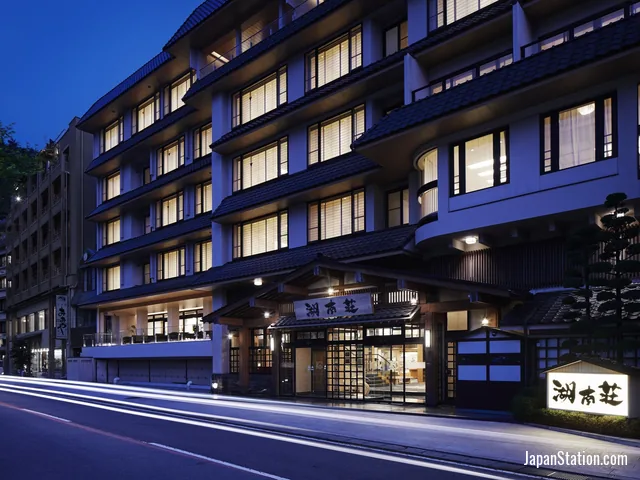
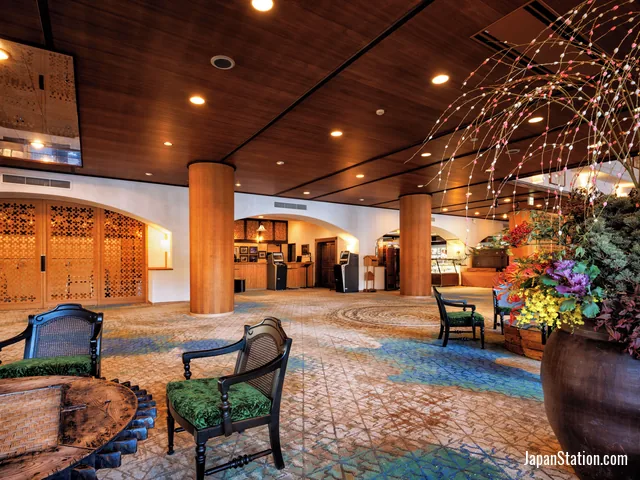
The southern and eastern shores of Lake Kawaguchi balance scenery with relatively manageable station access. Konansou and Fuji Lake Hotel are waterfront stays within walking or pickup distance of the station. Across the lake, the northern shore has more open Mount Fuji views. Museums and parks line parts of this side, and autumn foliage draws crowds later in the year, but getting there usually requires a bus, taxi, or car.
Farther west, Saiko, Shojiko, and Motosuko trade the busier resort atmosphere for forests and outdoor space. Public buses reach them, but a car gives you considerably more freedom when combining several distant stops in one day.
Getting around and onward travel
From Tokyo, the usual rail route follows the JR Chuo Line to Otsuki, followed by the privately operated Fujikyu Railway to Kawaguchiko. Some limited express trains run through from Shinjuku, while direct highway buses connect Shinjuku Expressway Bus Terminal with Kawaguchiko Station. The Japan Rail Pass doesn't cover the Fujikyu Railway section beyond Otsuki.
Three color-coded sightseeing routes spread out from Kawaguchiko Station. The Red Line follows Lake Kawaguchi, the Green Line serves Saiko, and the Blue Line continues toward Shojiko and Motosuko. Check the return timetable before setting out, especially for the western lakes, where departures are less frequent.
Where to stay and where to go next
Stay near the station if public transport, an early departure, or straightforward luggage handling comes first. A shore-side hotel is the better fit when hot springs, lake views, and time at the hotel are central to the trip. For the northern shore or western lakes, confirm the nearest bus stop and final service before booking without a car.
Kawaguchiko Station also connects with nearby Fuji-Q Highland, Fujiyoshida, and seasonal buses toward Mount Fuji's Fifth Station. Trips toward Oshino and Lake Yamanaka use different local routes, so don't treat them as extensions of the Lake Kawaguchi sightseeing loop.
Good to know
Fujikawaguchiko is the town name; Kawaguchiko refers to both the lake and the station. Don't assume a hotel described as being in Kawaguchiko is close to both. Check its relationship to the station, shore, and bus route separately.