Matsumoto is a historic Nagano castle town framed by the Japan Alps, known for Matsumoto Castle, walkable downtown streets, hot springs, mountain routes, and convenient limited express rail, bus, and Shinshu Matsumoto Airport links.
Matsumoto is a historic city in Nagano Prefecture, framed by the mountains of the Japan Alps. It is best known for Matsumoto Castle, but its appeal also includes old castle-town streets, museums, local food, hot springs, and access to alpine routes. For most visitors, Matsumoto Station is the easiest place to orient a trip, with limited express trains, local rail, highway buses, city buses, airport shuttles, Shinshu Matsumoto Airport connections, and nearby hotels all close together.
This makes the city easy to use in two different ways: as a compact sightseeing stop centered on the castle and downtown streets, or as a base for trips into the surrounding highlands and mountain areas. Staying close to the station is especially helpful if you have luggage, an early bus, or plans that involve more than one onward connection.
What the city is known for
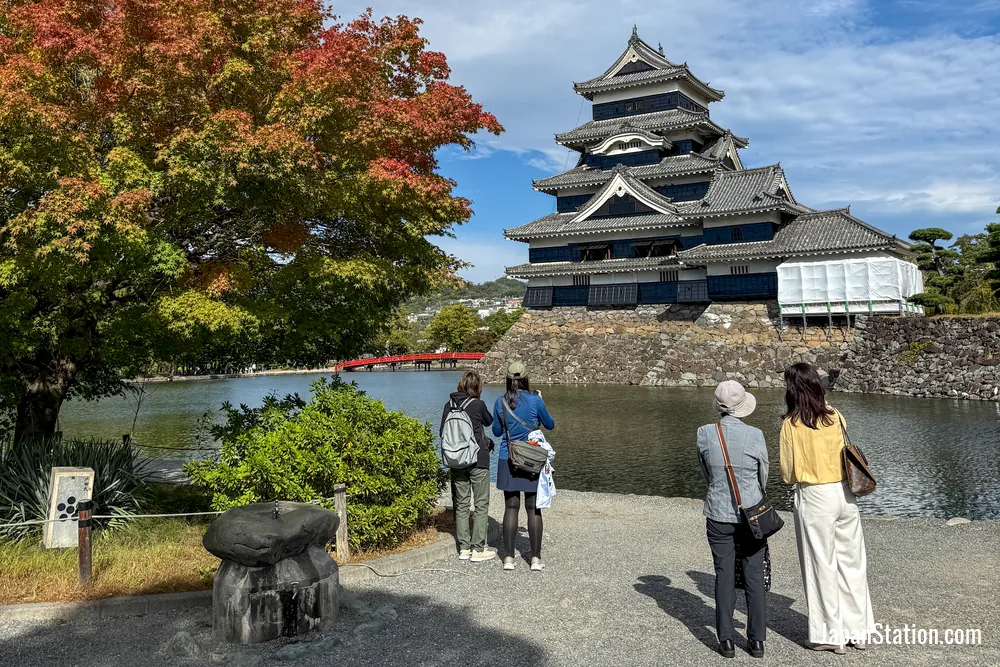
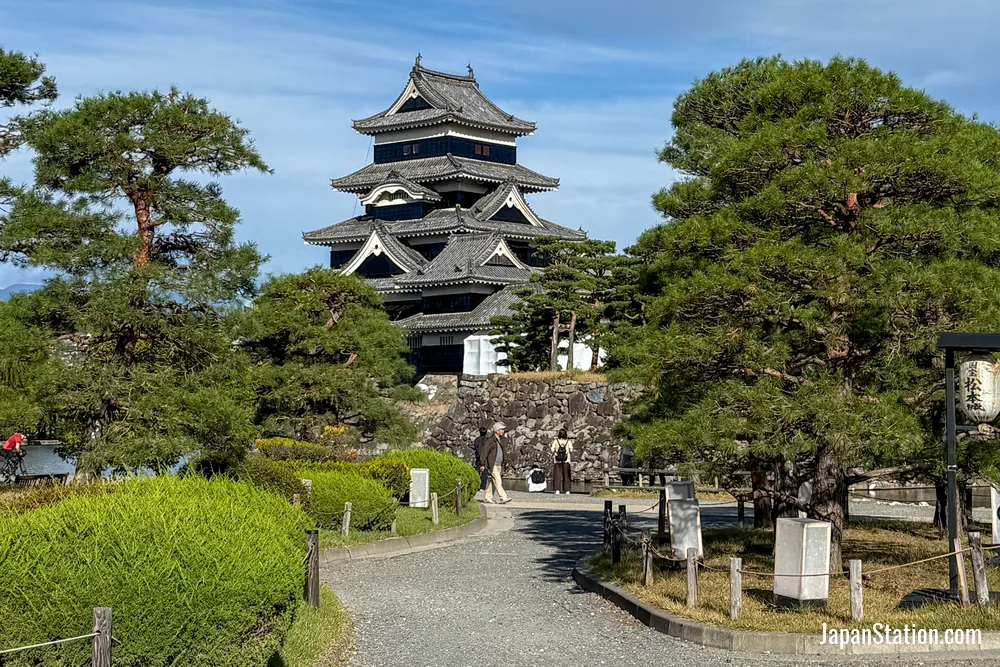
Matsumoto Castle is the city's defining landmark. A National Treasure, it gives Matsumoto much of its identity and is a key reason travelers choose to spend the night here rather than simply pass through. Around the center, Nawate Street and Nakamachi Street offer small-scale walking areas with shops, cafes, and a castle-town feel, while the Matsumoto City Museum of Art adds another major cultural stop close to the core. Central sightseeing is compact enough to plan around walking, short bus rides, taxis, or a combination of the three.
The city also works well for travelers heading into nature. Kamikochi, Norikura Highlands, Utsukushigahara Highlands, and nearby hot-spring areas all make Matsumoto a common starting point for seasonal scenery, mountain routes, and outdoor travel. These trips require more planning than downtown sightseeing, especially when routes depend on the season, bus schedules, and transfers.
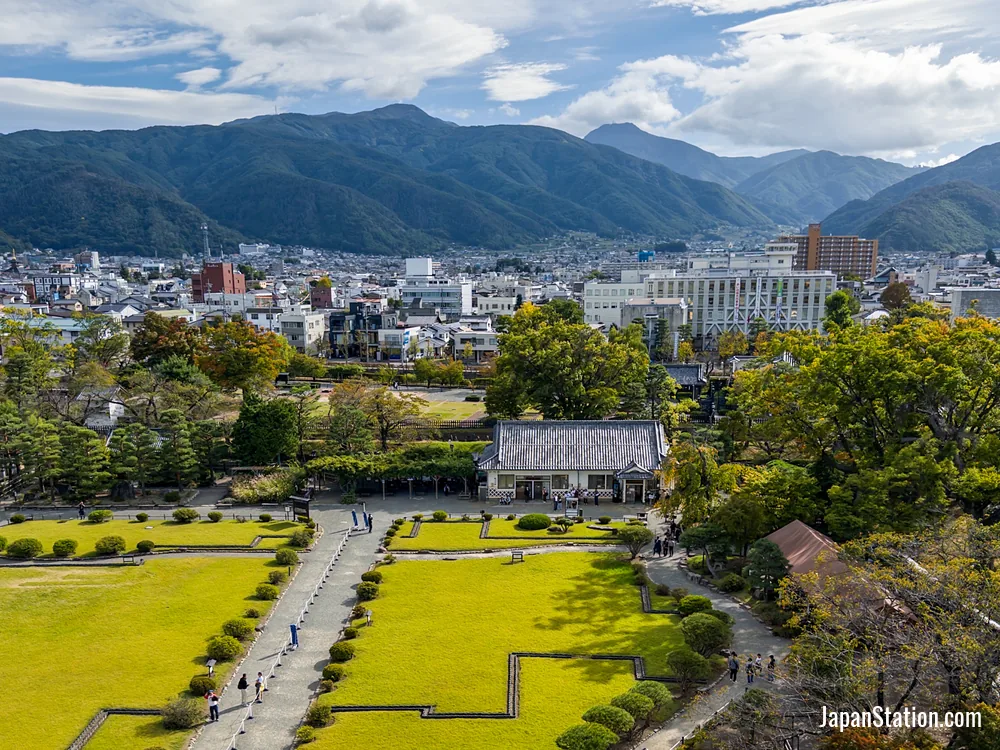
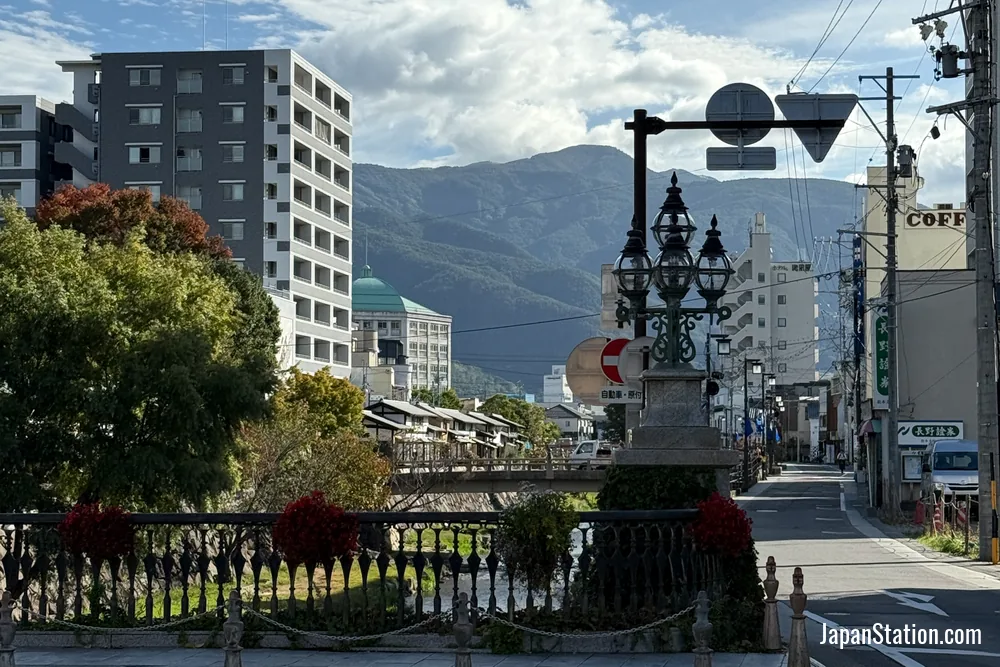
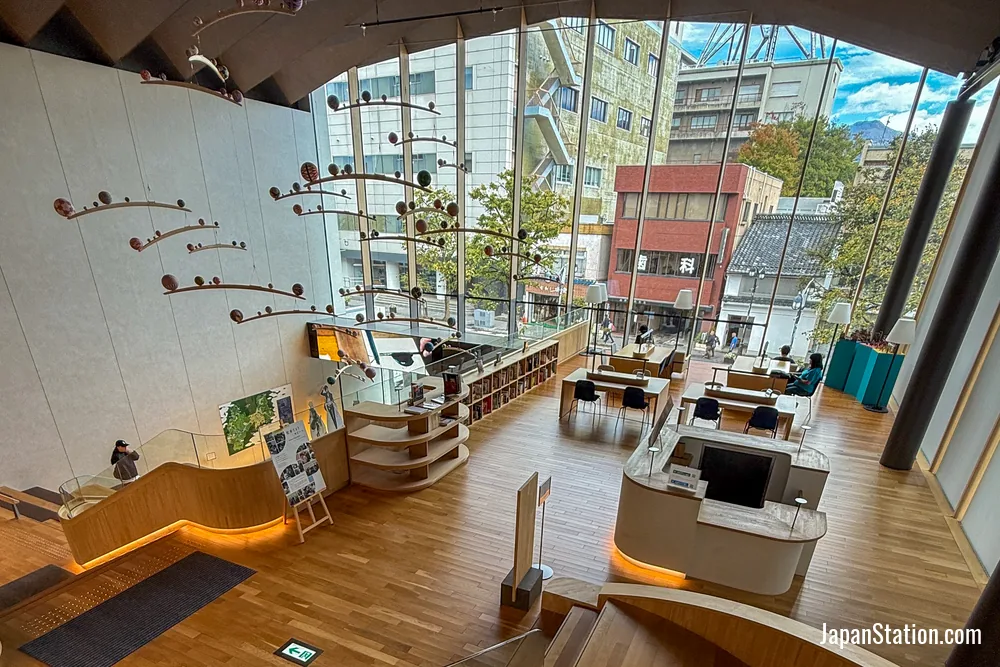
Matsumoto Castle. Photo by Maria Fukuda.Mountains around Matsumoto. Photo by Maria Fukuda.Matsumoto City Museum. Photo by Angkana Unthaya.
Matsumoto Hotels
Main areas
The Matsumoto Station Area is the most convenient choice if your priorities are rail connections, buses, luggage, or early departures. From the Castle Exit side, visitors can reach downtown streets, city-loop buses, shopping areas, hotels, and Matsumoto Castle. The nearby bus terminal is also important for highway services and many mountain-resort routes, so staying in this area can reduce backtracking when your itinerary combines city sightseeing with onward travel.
The castle, Nawate, and Nakamachi side is better for a slower sightseeing day, with more emphasis on walking, cafes, small shops, museums, and the historic townscape. It can feel more atmospheric than the station frontage, but it is less convenient if your day begins with an early train or bus. The hot-spring and mountain areas sit outside the compact station-and-castle core, so it is worth checking connections before treating them as casual side trips.
Castle grounds in Matsumoto. Photo by Maria Fukuda.
Getting around and onward travel
Matsumoto is well connected for a mountain city. The Limited Express Azusa runs directly between Matsumoto and Shinjuku in about two and a half hours, and the Limited Express Shinano links Matsumoto with Nagoya in about two hours. Highway buses from Matsumoto Bus Terminal provide additional routes to major cities and airport destinations, which can help when trains do not match your timing or destination.
For getting around the city, Town Sneaker loop buses, regular buses, taxis, share cycles, and local rail cover most visitor needs. Central sightseeing is relatively straightforward, but mountain travel should be planned around departure times and seasonal operation. For Kamikochi, a common route is the Alpico Kotsu Kamikochi Line from Matsumoto Station to Shin-Shimashima, followed by a bus transfer. During the operating season, limited direct buses from Matsumoto Bus Terminal may also be available.
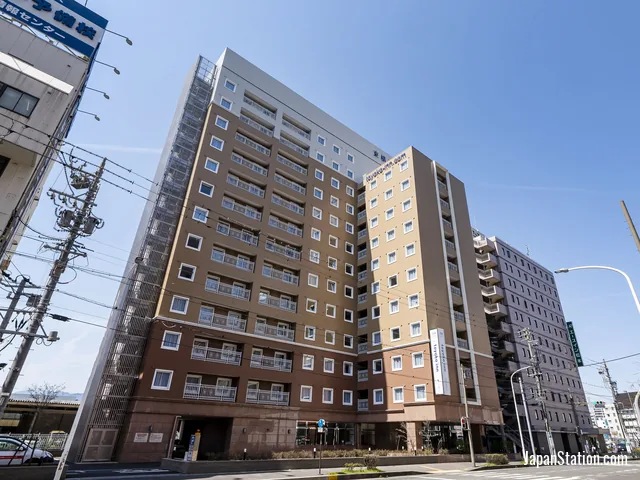
Toyoko Inn Matsumoto-eki Higashi-guchi is three minutes from Matsumoto Station's East Exit, with Matsumoto Castle, Nawate Street, and mountain-bound buses all within easy reach.
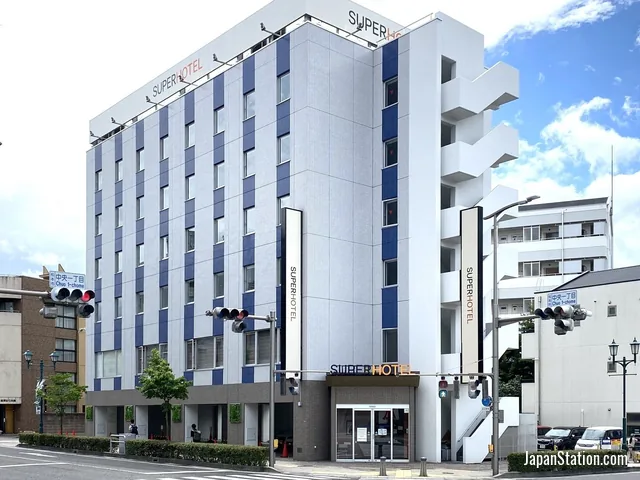
A short walk from Matsumoto's main transport hub, Super Hotel Matsumoto Ekimae keeps Matsumoto Castle and castle-town sightseeing simple, with free breakfast.
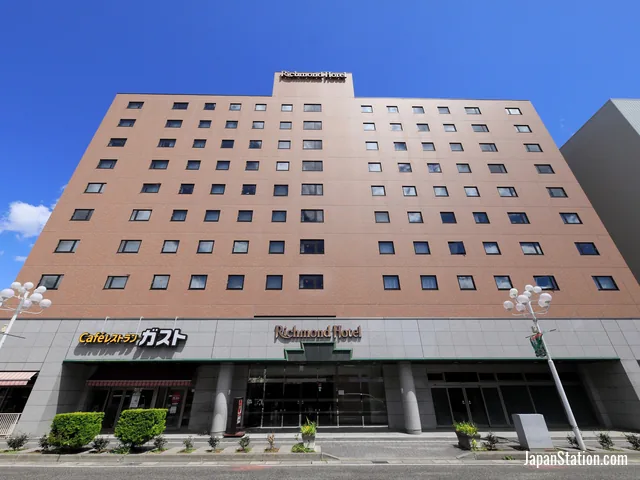
On the downtown side of Matsumoto Station, Richmond Hotel Matsumoto is four minutes from the Castle Exit and close to Nawate Street and Matsumoto Castle.
Where to stay in this city
Compare practical stay areas by transport usefulness rather than by generic sightseeing rank.
Matsumoto Station is the main rail and bus hub for Matsumoto Castle, limited express arrivals on the Azusa and Shinano, and onward travel toward Kamikochi.