Central Nagano follows the two-kilometer approach from Nagano Station to Zenkoji. Shinkansen platforms and regional buses anchor one end; temple gates, lodging houses, cafes, and old shopfronts shape the other.
A first visit can stay within this corridor or add a separate outing to Togakushi or Matsushiro. Both lie within the city limits, but they aren't extensions of downtown.
What the city is known for
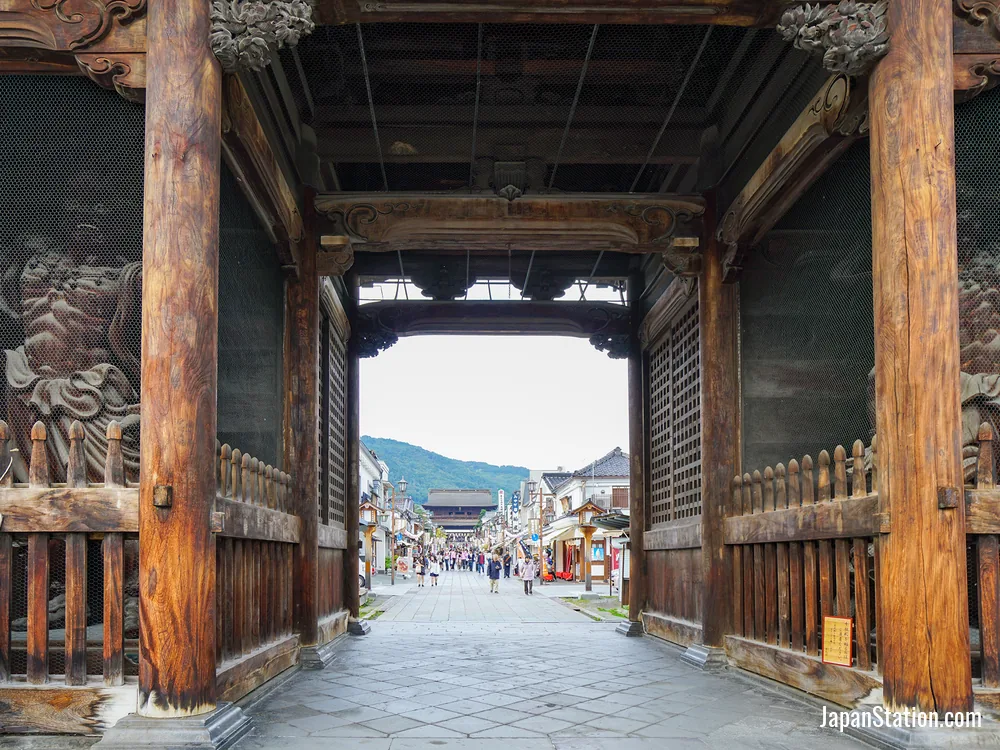
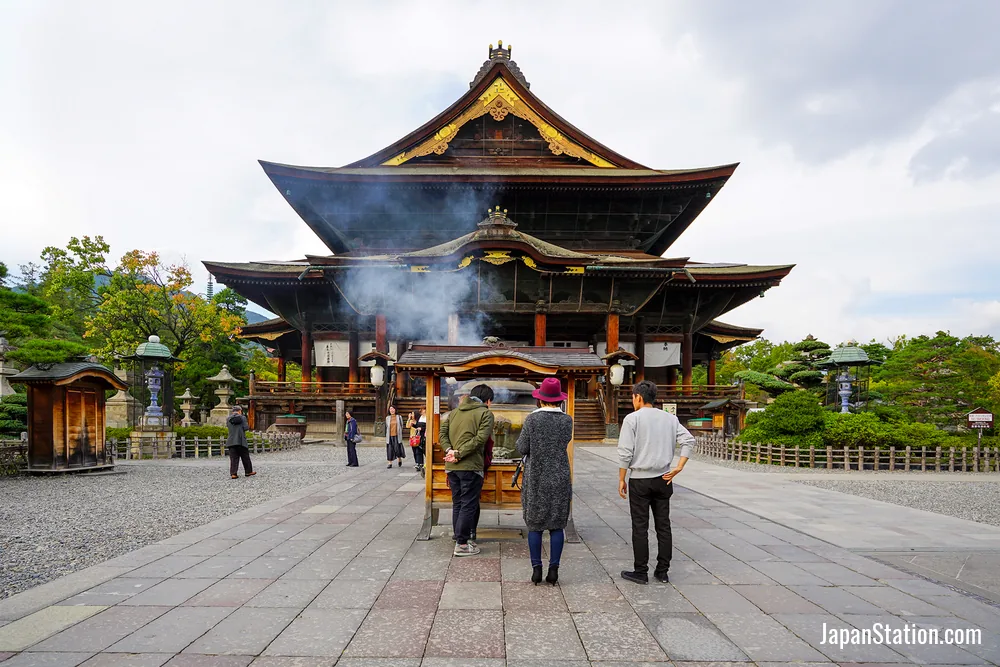
Zenkoji has drawn pilgrims for around 1,400 years, and the approach to the temple remains central to the city's character. The route passes city-center shops before reaching the older streets of Daimon, the temple gates, and Nakamise.
Local food reflects the surrounding mountains and farms. Togakushi is known for soba, while oyaki and seasonal fruit appear across the city.
Zenkoji Temple in Nagano. Photo by Maria Fukuda.
Nagano Hotels
Main areas
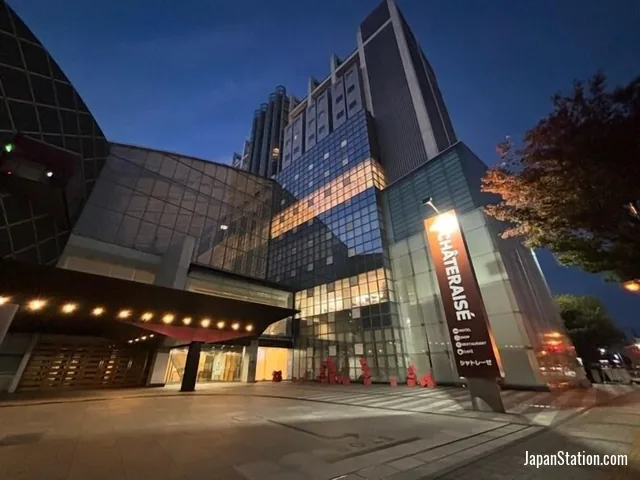
The Nagano Station Area gathers intercity and regional transport in one district. Hotels and luggage services cluster around the exits, which helps when early departures or full-day outings set the schedule.
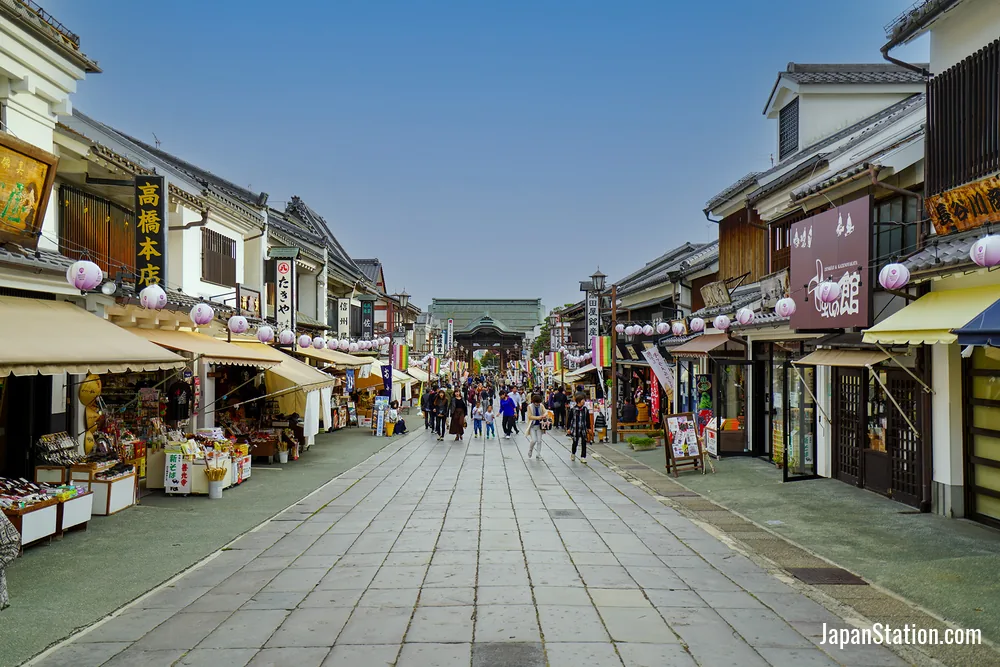
Around Zenkoji, the pace changes. Renovated storehouses and cafes line parts of the temple approach. The Nagano Prefectural Art Museum and temple lodgings add reasons to spend more time here.
Togakushi is a mountain district reached by bus from Nagano Station, known for its shrine complexes, forest paths, and soba. Matsushiro lies south of the center and brings together castle-town history and sites connected with the Sanada clan. These are separate outings.
Zenkoji Nakamise-dori in Nagano. Photo by Angkana Unthaya.
Getting around and onward travel
The Hokuriku Shinkansen reaches the city from Tokyo in about 105 minutes and continues west along the Hokuriku corridor. Conventional rail and Shinano Railway cover regional routes, while Nagano Electric Railway runs toward Obuse and Yudanaka.
Zenkoji is about 30 minutes from the station on foot or about 10 minutes by bus to Zenkoji Daimon. Togakushi and Matsushiro depend on separate bus routes, so their return schedules matter more than their distance on a map.
Jigokudani Monkey Park can be reached by train to Yudanaka, followed by a local bus and forest walk. Direct express buses also depart from Nagano Station. The park isn't near the city center.
Where to stay and where to go next
Stay near the platforms when the itinerary turns on train and bus times. Stay closer to Zenkoji when temple-town mornings and evenings matter more than immediate rail access.
Give the central corridor its own block of time. Add Togakushi, Matsushiro, or the snow monkey route only when the bus or rail timetable leaves enough room.
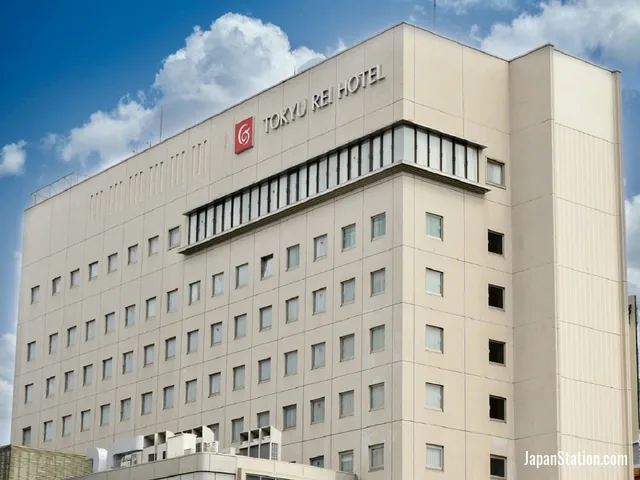
Nagano Tokyu REI Hotel is directly connected to Nagano Station's underground passage, with non-smoking rooms, breakfast, laundry service, and easy access to the Shinkansen, local trains, and station bus stops.
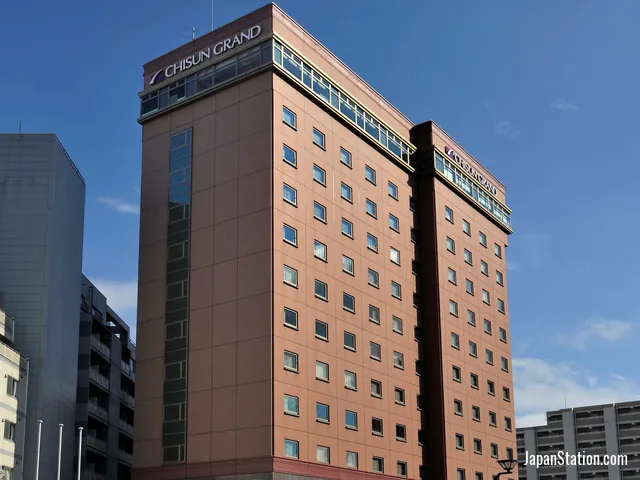
Chisun Grand Nagano pairs a roughly five-minute walk from Nagano Station's Zenkoji Exit with spacious 20-square-meter singles and breakfast on the top floor.
Where to stay in this city
Compare practical stay areas by transport usefulness rather than by generic sightseeing rank.