Overview
For centuries, pilgrimages to Jingu have shaped the city. The complex comprises 125 shrines centered on Geku and Naiku, while the surrounding streets retain a rhythm of worship, traditional food, and onward travel toward the coast.
The geography matters. Iseshi Station is the usual starting point for sightseeing and lies close to Geku. Naiku, Oharaimachi, and Okage Yokocho require a bus ride, while Futami and its coast form a distinct part of the city rather than an extension of the shrine approach.
What the city is known for
Jingu defines the city. Geku is traditionally visited before Naiku, but the two main sanctuaries occupy separate precincts several kilometers apart. A shrine visit therefore becomes a journey through the city rather than a stop at one enclosed attraction.
Near Naiku, Oharaimachi follows the Isuzu River for about 800 meters. Shops and restaurants line this old-style street, and Okage Yokocho recreates buildings from the historic Iseji route. Ise udon, tekone sushi, and Akafuku mochi are among the foods tied most closely to the visit.
Main areas
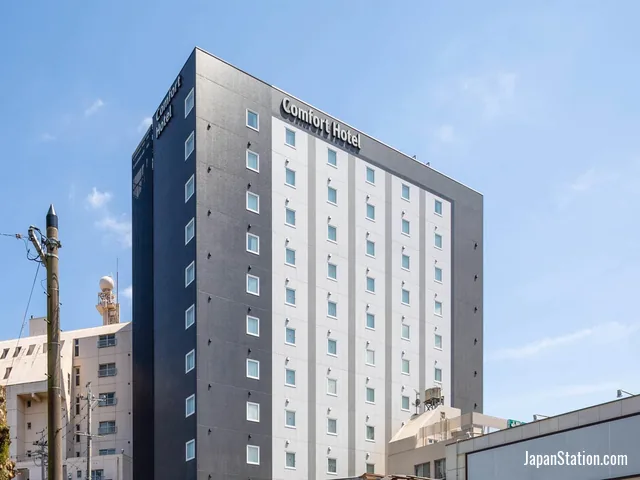
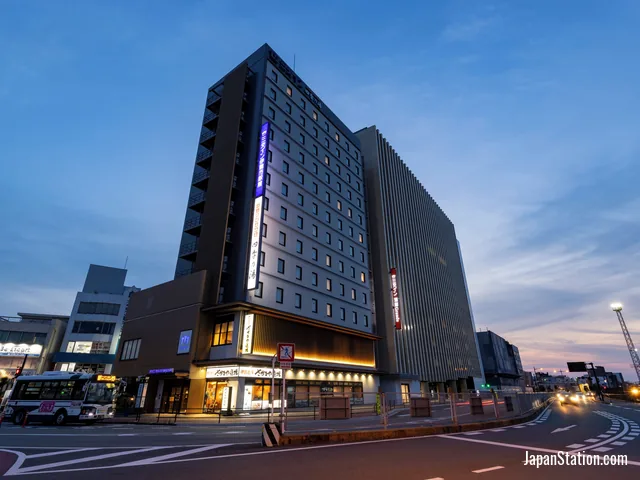
Geku's arrival district is the easiest area for rail arrivals and a first shrine visit. The direct approach from the JR-side exit passes luggage services, restaurants, shops, and places to stay before reaching Geku. Hotels near this approach keep both the station and shrine within a short walk.
Naiku is the larger sightseeing draw for many visitors. Uji Bridge, the forested shrine grounds, Oharaimachi, and Okage Yokocho fill this part of the trip, but the area isn't within walking distance. Buses connect it with the station and Geku.
Futami feels different again. Its seaside setting, Meoto Iwa, Futami Okitama Shrine, and historic role as a place of purification before worship make it worth treating as a separate outing. Closer to the city center, Kawasaki adds merchant houses and old warehouses from its past as a river-based wholesale district.
Getting around and onward travel
The main rail hub brings together JR Central's Sangu Line and Kintetsu's Yamada Line. JR trains serve Futaminoura and Toba, while Kintetsu limited express services connect the city with Nagoya, Kyoto, and Osaka before continuing down the peninsula. Ujiyamada and Isuzugawa stations provide additional Kintetsu options for reaching different parts of the city.
Local buses cover the important gap between Geku and Naiku. The journey is straightforward with a little planning, but the sanctuaries aren't neighboring gates that you can simply walk between. Check the return departure before lingering around Oharaimachi, particularly late in the day.
From Chubu Centrair International Airport, the clearest rail route is by Meitetsu to Nagoya, followed by a transfer to Kintetsu for the city. There is no single airport train for the full journey.
Where to stay and where to go next
Staying near the rail hub keeps rail arrivals, luggage services, Geku, and the bus to Naiku simple to organize. This location is especially convenient for a first night, an early shrine visit, or a journey continuing by train to Toba and Shima.
An overnight stay leaves enough time to separate Geku and Naiku, eat along the traditional streets, or add Futami without turning the day into a chain of timetable checks. The pace is much better.
Good to know
Jingu is a large shrine complex, not one building or compact site. Geku, Naiku, the station area, and Futami each require a separate route, so plan the city by area and transport leg rather than around a single attraction pin.