Overview
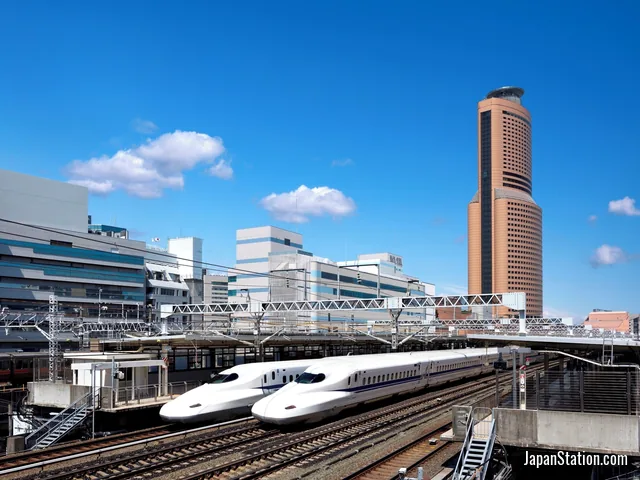
The Tokaido Shinkansen arrives at Hamamatsu Station in the middle of Central Hamamatsu, with much of downtown manageable on foot. Act City and the main shopping blocks are beside the JR concourse, while the Hamamatsu Museum of Musical Instruments is about a ten-minute walk away. Buses for Hamamatsu Castle and Lake Hamana depart from the North Exit.
Even a short rail stop can hold more than a hotel night. The important distinction is distance: Lake Hamana isn't part of the downtown walking area, so visiting the lakeside requires a separate bus outing or a stay closer to the water.
What the area is known for
Music gives the center its clearest visitor identity. The Museum of Musical Instruments reflects Hamamatsu's manufacturing heritage through collections from around the world, while Act City provides concert halls and event spaces near the JR gates.
These blocks also form the city's main business and hotel district. A museum visit, meeting, dinner, and onward train can all fit into a manageable central itinerary, although many of Hamamatsu's attractions remain farther away.
Main places
Act City is the landmark closest to the JR concourse. Access passages lead from May One toward its halls and congress center, and Okura Act City Hotel Hamamatsu occupies the adjoining tower. This part of downtown is especially convenient when an event or early train determines the schedule.
The Museum of Musical Instruments is east of the tracks within the wider Act City area. Hamamatsu Castle is farther north, about twenty minutes away on foot or reachable by bus from the North Exit. It's central, but not beside the platforms.
Stations and access
Hamamatsu Station serves the Tokaido Shinkansen and JR Tokaido Main Line. The North Exit opens toward the bus terminal and main downtown blocks, while the May One side gives direct access toward Act City.
Shin-Hamamatsu Station is nearby but separate. It is the city-center starting point for the Enshu Railway, which runs north through Hamamatsu, rather than another gate or platform within the JR complex. Check whether your route begins on JR or Enshu before following the signs.
Lake Hamana takes more time. Direct buses run from the North Exit toward Kanzanji and its lakeside attractions, with journeys taking roughly forty to forty-five minutes. Downtown is therefore a departure point for the lake, not part of the lakeside district.
Where it fits in a trip
The center works well for a first or last night, a brief Shinkansen stop, a concert or meeting at Act City, or a day focused on the museum. Staying near the JR concourse also eases early departures and arrivals with luggage.
If hot springs and time beside Lake Hamana are the main reasons for visiting, give that part of the city its own day. A lakeside stay may be more sensible than repeating the bus journey from downtown.
Good to know
The JR and Enshu stations serve different railways. They're close enough to use during the same trip, but they shouldn't be treated as one rail complex.
The central area extends beyond the streets immediately outside the JR gates. When train timing or heavy luggage matters, check the actual route between your hotel and the JR station rather than assuming every downtown address is equally close.