Overview
Mount Kinka and the Nagara River shape Gifu, a compact city in central Honshu and the capital of Gifu Prefecture. Nagoya is close enough for an easy rail arrival, but Oda Nobunaga's history, riverside streets, and seasonal cormorant fishing give the city a character of its own.
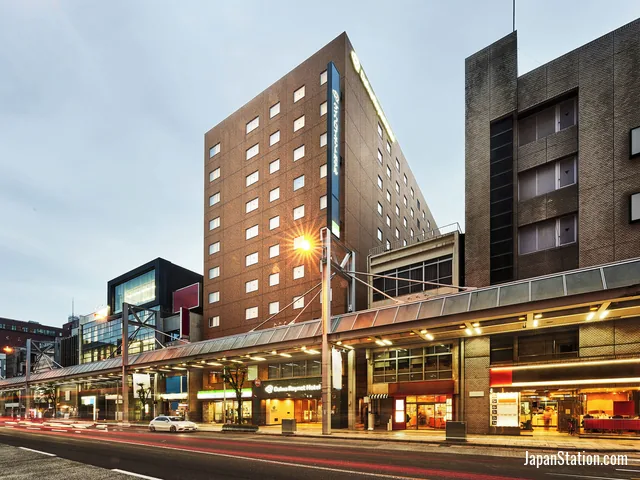
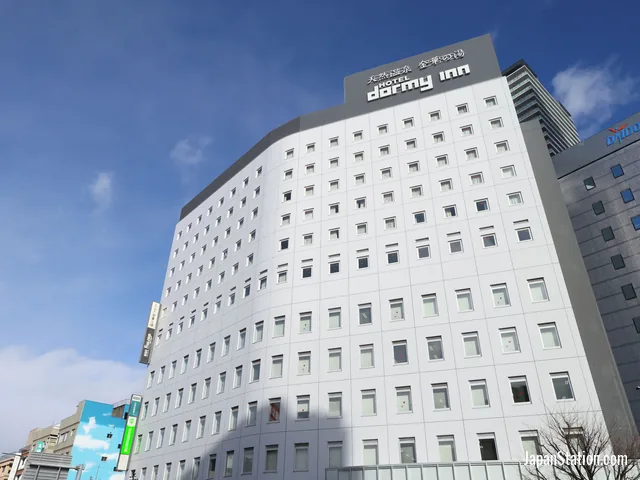
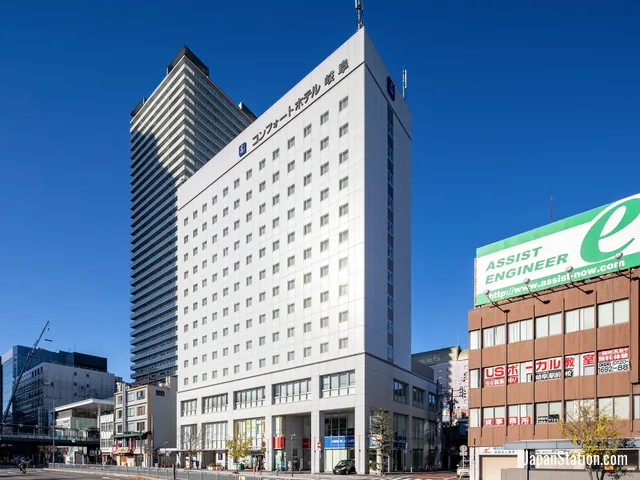
Most travelers arrive through Gifu Station or Meitetsu Gifu Station. Although separate, the stations are close together, and the surrounding Gifu Station Area has the city's most convenient concentration of hotels, buses, and everyday dining.
What the city is known for
Gifu Castle crowns Mount Kinka above the Nagara River and remains the city's defining landmark. Oda Nobunaga established his seat here in the 16th century and gave Gifu its present name. At the foot of the mountain, Gifu Park brings together gardens, museums, historic remains, and the lower station of the Mount Kinka Ropeway.
Cormorant fishing takes place on the Nagara River from May 11 to October 15 in normal years. The 1,300-year-old tradition is viewed from boats after dark, with torchlight, the river, and Mount Kinka forming the setting. Nearby Kawaramachi retains the lanes and storehouses of a former riverside merchant district, with cafes, shops, and boat docks close by.
Main areas
The Gifu Station Area is the straightforward choice for arrivals and hotel stays. JR and Meitetsu services, local buses, taxis, convenience stores, and restaurants gather around the two stations, which helps when you're managing luggage or leaving early.
Gifu Park, Mount Kinka, Kawaramachi, and the cormorant-fishing docks form a separate visitor area farther north. Buses run from both central stations to Gifu Park and the Nagara River side, so you won't need to change hotels for sightseeing. It isn't a walk-outside-the-station itinerary.
Getting around and onward travel
JR Tokaido Main Line trains connect Gifu with Nagoya, while the Takayama Main Line continues toward Gero and Takayama. Meitetsu provides another route to Nagoya, along with direct airport limited express trains between Meitetsu Gifu and Central Japan International Airport.
Local buses are the main public transport between the station area, Gifu Park, Kawaramachi, and the river. On weekends, the Gifu Park route serves JR Gifu, Yanagase, Kawaramachi, and Gifu Park, but its limited schedule means regular buses remain important.
Where to stay and where to go next
Stay near the two Gifu stations when rail schedules, airport access, luggage, and nearby restaurants matter most. This area also simplifies onward travel toward Gero or Takayama on the Takayama Main Line.
The Nagara River side offers a quieter setting closer to the cormorant-fishing docks, Mount Kinka, and Gifu Park. The tradeoff is less immediate rail access.
Good to know
Gifu Station isn't a Shinkansen stop, so most bullet-train itineraries require a change to conventional rail in Nagoya. Gifu Castle's keep and museum are closed for renovation through late October 2027, with reopening planned for November 2027.
Gifu Park, Kawaramachi, the ropeway, and seasonal river activities follow separate operating arrangements. Check current access before visiting the mountain area.