Cultured pearls, ama divers, seafood, and four inhabited islands define Toba, a coastal Ise-Shima city with trains and ferries meeting along its compact bayfront.
Toba faces Ise Bay and the Pacific from the northeastern side of the Shima Peninsula. Its forested mainland, fishing villages, and four inhabited islands cover far more ground than the compact center suggests. Around Toba Station, trains, ferries, major attractions, and visitor services gather along a walkable bayfront.
The sea shapes almost everything here. It is both a destination in its own right and a convenient stop on a wider Ise-Shima trip, particularly for travelers combining coastal culture with Ise, Shima, or an island visit.
What the city is known for
Pearls and ama divers give the city its clearest identity. Kokichi Mikimoto developed cultured pearls here, and Mikimoto Pearl Island tells that story through its museum and ama diving demonstrations. Farther along the coast, working ama in local villages continue a free-diving tradition passed down through generations.
Toba Aquarium is the other headline attraction. Its large collection includes a dugong, and its waterfront location places it close to Pearl Island and the remains of Toba Castle. The city's fishing culture is equally visible at the table, where oysters, abalone, spiny lobster, seaweed, and seasonal fish appear in restaurants and ryokan meals.
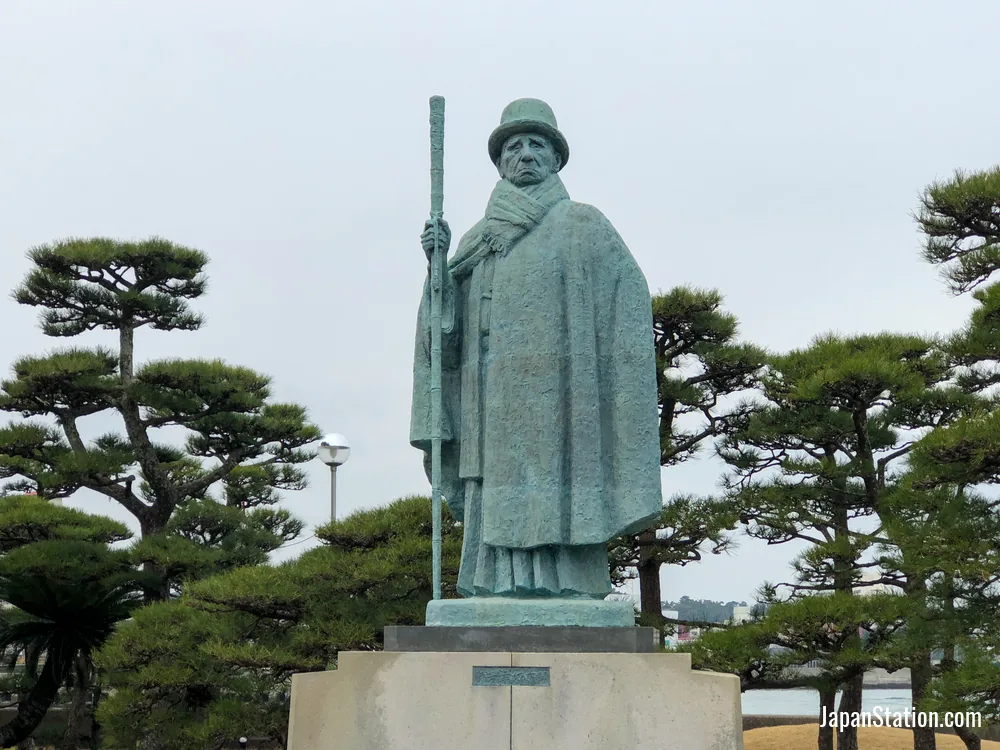
A bronze statue of Kokichi Mikimoto, the founder of Mikimoto pearls. Photo by Angkana Unthaya.
Toba Hotels
Main areas
Toba Station and Bayfront is the easiest area for a first visit. Toba Marine Terminal, Mikimoto Pearl Island, and Toba Aquarium are all near the rail hub. Shops, castle ruins, and seafood restaurants fill the same waterfront. Ferries from the marine terminal serve Kamishima, Toshijima, Sugashima, and Sakatejima.
Reaching the coastal villages takes more planning. Osatsu is known for ama culture and seafood experiences, while other communities are scattered around the peninsula and across the islands. Buses serve several of these places, but departures are less frequent than in central Toba.
Getting around and onward travel
Toba Station is served by JR Central and Kintetsu Railway. JR's Sangu Line runs toward Iseshi and regional connections, while Kintetsu trains link Toba with Ise and continue south toward Shima. Limited express services also connect the city with Nagoya, Kyoto, and Osaka, so it isn't an isolated coastal stop.
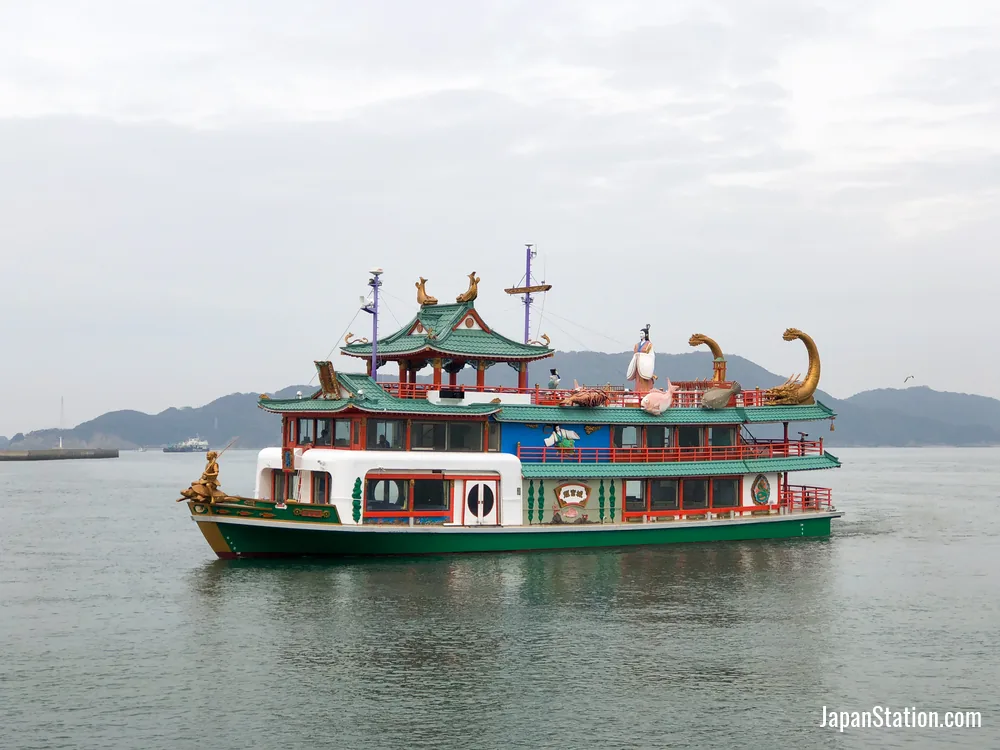
Central Toba is easy to explore on foot. Buses, taxis, bicycles, or a car are more helpful for outer villages, viewpoints, and coastal outings beyond the aquarium area. Island journeys begin with municipal ferries from Toba Marine Terminal, which means the sailing timetable matters just as much as your rail arrival.
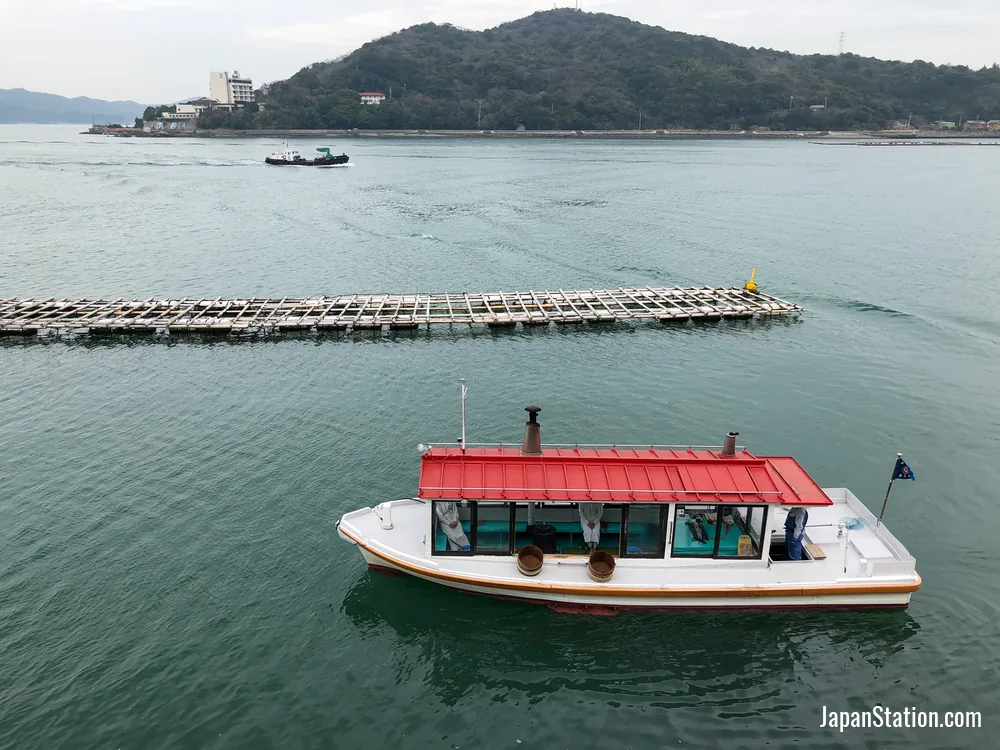
Boat in Toba Bay. Photo by Angkana Unthaya.
Where to stay and where to go next
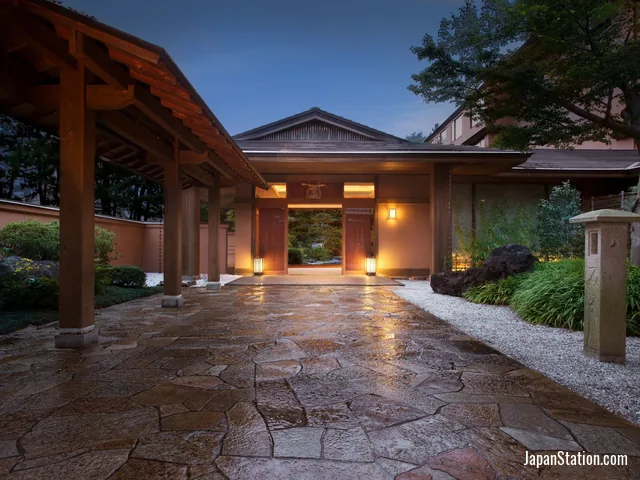
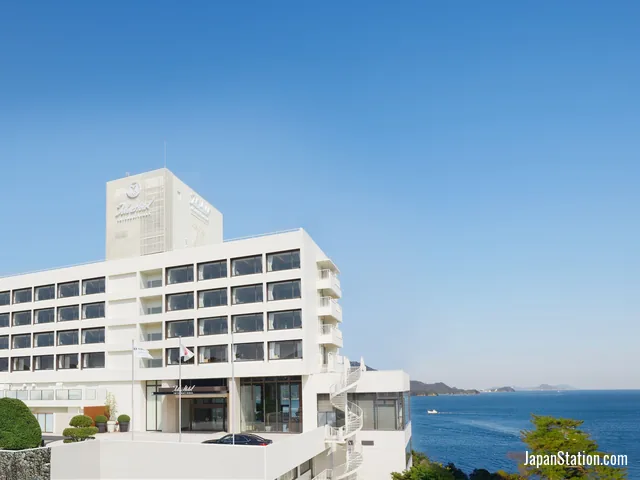
Stay near the station and bayfront if you want straightforward rail arrivals, convenient ferry departures, and the main attractions close together. Toba Hotel International Shiojitei provides Japanese rooms, bathing, and local dining on a quieter hill above Toba Bay, along with a free shuttle from the station.
The city also fits naturally into a wider Ise-Shima itinerary. Ise Grand Shrine is reached by rail and local transport through the Ise side, while Kintetsu trains continue toward Shima and Kashikojima. Day trips are possible, but the coast is more rewarding when you don't try to compress every stop into a single day.
Good to know
Toba's center is compact; the municipality isn't. An ama village, coastal viewpoint, or island may be much farther from the station than it appears. Check the last bus or ferry before leaving the bayfront, and allow for weather-related changes on sea routes.