Overview
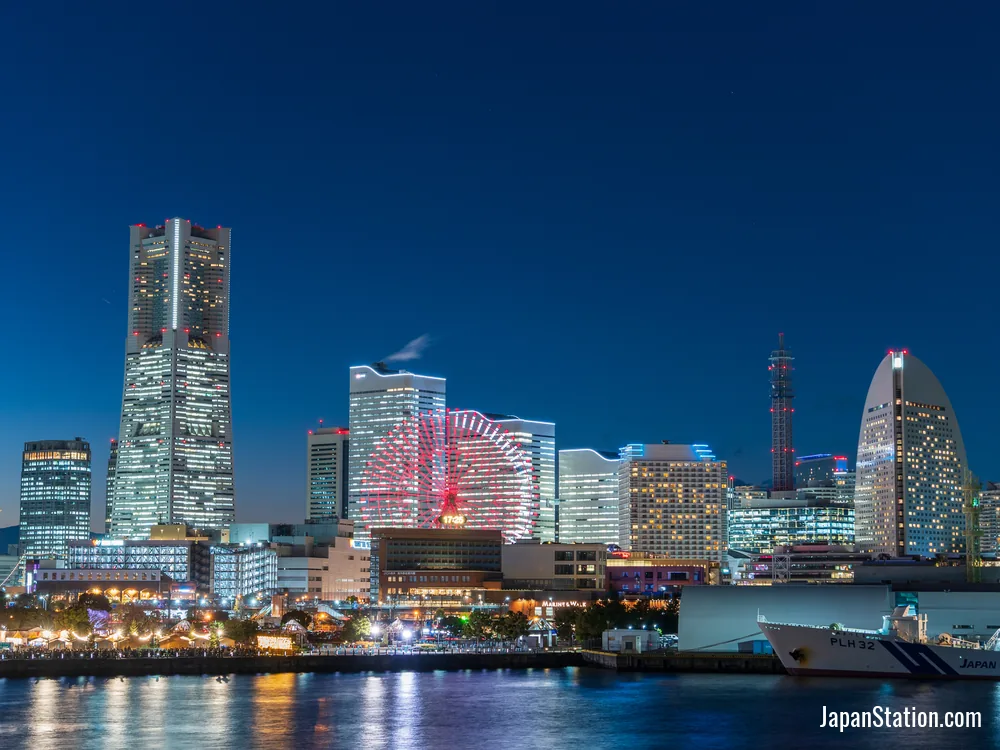
Yokohama faces Tokyo Bay just south of the capital, with harbor promenades that connect old warehouses to the towers of Minato Mirai. The port opened to international trade in 1859, and that history remains visible around Chinatown and the former foreign settlement on the Yamate hills.
Several waterfront sights fit comfortably into a day trip from Tokyo. Stay overnight, though, and you'll have time for dinner in Chinatown, the skyline after dark, and a second day among the hillside houses or at Sankeien Garden.
Walking the waterfront
Sakuragicho Station is a good starting point for a walk into Minato Mirai. Kishamichi Promenade follows a former railway across the water toward the Shinko district, opening up views of the surrounding towers. From there, continue to the Red Brick Warehouse, where old port buildings now house shops and restaurants beside an outdoor event space.
Farther along the harbor, Osanbashi's wooden rooftop offers an open view back toward the Minato Mirai skyline. It's free to visit. Continue to Yamashita Park for a waterside walk and the historic Hikawa Maru, a former passenger ship now open as a museum. Chinatown is just inland from the park, so the route can end with a meal.
Landmark Tower's Sky Garden observation deck is closed for renovation, with reopening planned for 2028 or later. For now, enjoy the skyline from the waterfront rather than from the tower.
Chinatown, Motomachi and Yamate
Chinatown's decorated gates lead into streets filled with Chinese restaurants and food shops. Steamed pork buns are a familiar snack, while the range of restaurants also leaves plenty of choice for a sit-down meal. Motomachi-Chukagai Station, at the end of the Minatomirai Line, puts you close to this part of the city.
Nearby Motomachi developed as a shopping street serving the foreign community. Above it, Yamate preserves Western-style houses and gardens that visitors can enter, along with port views from Harbor View Park. Expect some uphill walking. You can combine a visit to the houses with shopping or a cafe stop in Motomachi below.
A museum visit or a garden outing
The Cup Noodles Museum in the Minato Mirai waterfront area traces the history of instant noodles through exhibits and hands-on activities. At My CUPNOODLES Factory, you can decorate a cup and choose its soup and toppings. This paid activity requires a separate numbered ticket or advance voucher, so arrange it before planning your visit around the experience. General museum admission alone doesn't guarantee a place.
Farther south in Honmoku, Sankeien is a separate bus outing from the central sightseeing districts. Historic buildings brought from places including Kyoto and Kamakura stand among ponds and gardens, with a three-story pagoda rising above the main pond. Plum and cherry blossoms, summer lotus flowers, and autumn foliage change the character of the grounds through the year. Allow enough time to explore rather than treating the garden as a quick stop between waterfront attractions.
Arriving and getting around
Yokohama Station is the main interchange for trains from Tokyo and Shinagawa. From Shibuya, Tokyu Toyoko Line services continue onto the Minatomirai Line. A train bound for Motomachi-Chukagai reaches the waterfront districts without requiring a change at Yokohama.
Within the city, the Minatomirai Line links the main station with Minato Mirai, Bashamichi, and the Chinatown end of the waterfront. JR trains also serve Sakuragicho and Kannai, so not every sightseeing day needs to begin at Yokohama Station.
Bullet trains use Shin-Yokohama Station, a separate stop inland. The municipal subway's Blue Line connects it with Yokohama, Sakuragicho, and Kannai. Allow for this local journey when arriving by Shinkansen or catching a train toward Kyoto and Osaka. For a day trip south to Kamakura, take the JR Yokosuka Line from Yokohama.
Airport connections
Direct Keikyu trains connect Haneda Airport with Yokohama Station in around 30 minutes, depending on the service and airport terminal. Airport buses also run to Yokohama City Air Terminal, commonly called YCAT, on the station's east side. Leave extra time for road traffic if you choose the bus.
Narita Airport has direct Narita Express services to Yokohama Station, as well as buses to YCAT. Check that your chosen train stops at Yokohama, since other Narita Express services run toward Shinjuku. If you're staying by the harbor, remember to add the local connection from the station to your hotel.
Where to stay
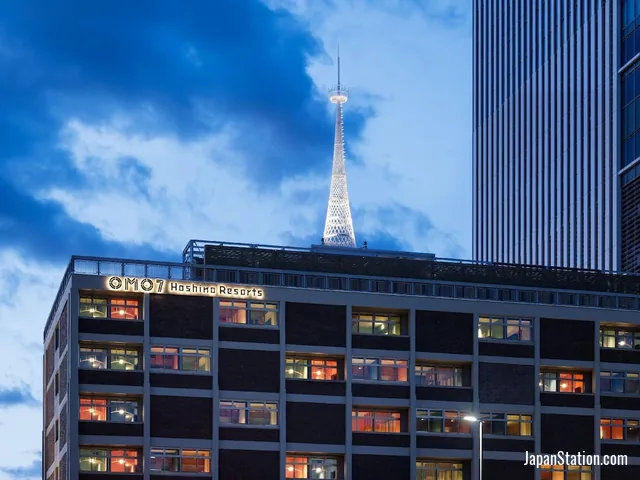
The Yokohama Station Area keeps airport transport, Tokyo-bound trains, and department stores close at hand. For harbor walks and evening views, Minato Mirai or Sakuragicho brings you nearer the waterfront.
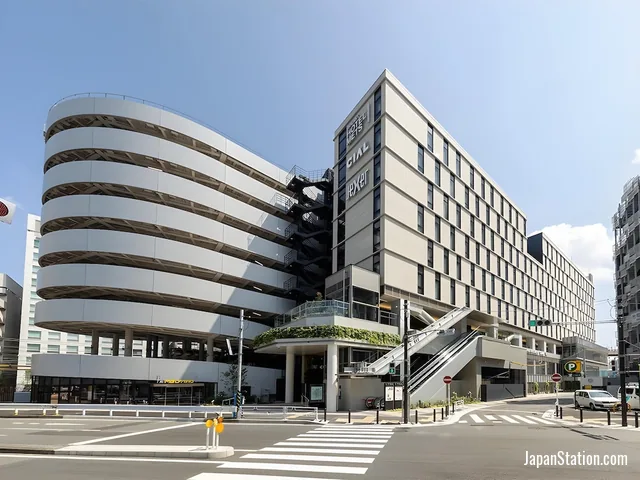
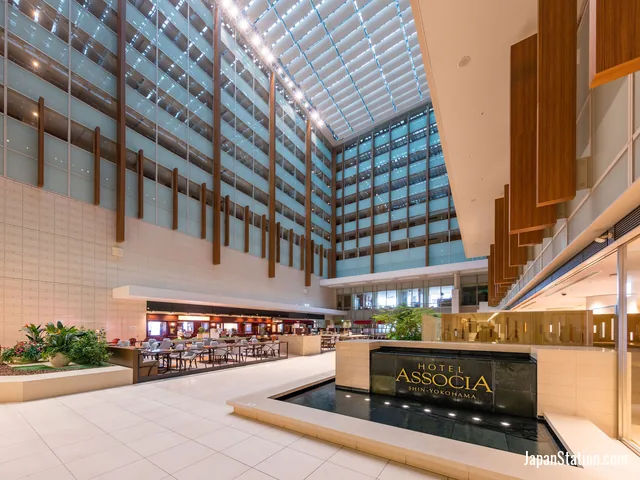
Kannai and the Yamashita Park side are closer to Chinatown and the older port streets. A hotel near Shin-Yokohama can save time before an early bullet train, but the main waterfront sights still require a local journey. Staying near the district you most want to explore can save that extra trip on days spent in the city.