Overview
A map can make Hakone look smaller than it feels. Its hot-spring districts and museums are spread between volcanic high ground and Lake Ashi in the mountains west of Odawara. Moving between them requires a chain of rail, road, ropeway, and boat connections.
Most visitors arrive through Hakone-Yumoto Station or transfer from the Tokaido Shinkansen at Odawara Station. A day trip can cover part of the circuit, but an overnight stay leaves more room for an onsen, a museum, and the lake without treating every connection as a race.
What the city is known for
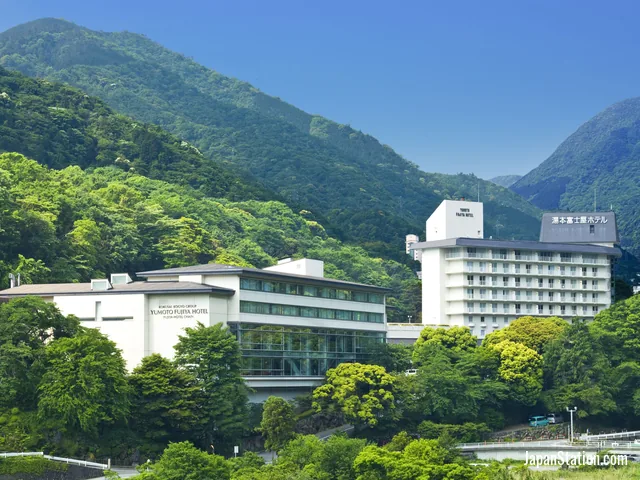
Hot springs remain the heart of the trip. Ryokan and hotels are scattered from the valley around Yumoto to the slopes near Gora and the Lake Ashi shore, so the setting changes with the district rather than following one central hotel zone.
Owakudani shows the area's active volcanic landscape, with steam vents and ropeway views across the high ground. Lake Ashi brings a different scale, combining sightseeing boats, Hakone Shrine, and views toward Mount Fuji. Clear skies aren't guaranteed.
Art gives the mountains another reason for a longer visit. The Hakone Open-Air Museum is near Chokoku-no-Mori, while Sengokuhara has several museums among its higher, more open landscapes.
Main areas
Hakone-Yumoto is the main arrival district. Hot-spring inns line the valley, while shops, restaurants, and luggage services are near the rail terminus. This keeps the first and final legs short, particularly for a brief stay or a direct Romancecar trip from Shinjuku.
Miyanoshita, Kowakidani, and Gora follow the Hakone Tozan Railway higher into the mountains. Museums and onsen hotels are close to this middle section, while Gora also connects with the cable car toward Sounzan and the ropeway route to Owakudani.
Sengokuhara spreads across the higher northwest side, with museums and pampas-grass scenery reached mainly by bus. Togendai connects the ropeway with Lake Ashi boats. On the southern shore, Motohakone and Hakonemachi put Hakone Shrine, the old Tokaido route, and lake views closer at hand.
Getting around and onward travel
Odakyu Romancecar services run from Shinjuku to Hakone-Yumoto. Travelers using the Tokaido Shinkansen transfer at Odawara, then continue toward Yumoto by local rail.
The classic circuit changes transport several times. Rail and cable car climb to Sounzan; the ropeway continues through Owakudani to Togendai. From there, boats cross Lake Ashi and buses return toward Yumoto.
The Hakone Freepass covers unlimited travel on eight participating transport services within its designated area, though the Romancecar requires a separate limited-express ticket. Compare the pass with your planned route rather than assuming every visitor needs the full circuit.
Where to stay and where to go next
Yumoto shortens the journey back to Odawara and Tokyo, and it has the widest concentration of shops near a rail station. Gora and Kowakidani place museums and mountain transport closer to the hotel. Sengokuhara suits bus-based museum plans, while the Lake Ashi side trades rail proximity for lake views and direct access to boat piers.
An overnight stay makes the transport network less demanding. It also lets an itinerary continue west through Odawara on the Tokaido Shinkansen without compressing the ropeway, lake, and onsen into the same travel day.
Good to know
Wind and poor weather can stop mountain transport, and regular maintenance closes some services. Volcanic restrictions or crowding can also alter a route. Check the live service status before committing to a precise ropeway-and-cruise sequence, and leave time for buses that may fill at busy periods.
No single area covers the whole trip. Match the hotel district to the first attraction of the day, then treat the transport between areas as part of the itinerary rather than background travel.