Overview
Nikko draws visitors into two very different landscapes. Around the lower town, richly decorated shrines and temples stand among tall cedars. Higher in the mountains, Lake Chuzenji, Kegon Falls, wetlands, hiking trails, and hot-spring settlements spread across Nikko National Park.
A day trip can cover the central World Heritage sites, but it leaves little time for the mountains. Stay overnight if Lake Chuzenji or Oku-Nikko is part of the plan, or if you'd like to visit the shrines outside the busiest hours.
What the city is known for
The UNESCO-listed Shrines and Temples of Nikko encompass 103 structures across Nikko Toshogu, Futarasan-jinja Shrine, and Rinnoji Temple. Toshogu, the mausoleum of Tokugawa Ieyasu, is the most elaborate of the three complexes. Shinkyo Bridge marks the traditional approach across the Daiya River.
That religious history extends into the surrounding mountains. Lake Chuzenji lies below Mount Nantai, with Kegon Falls near its eastern end. Farther into Oku-Nikko, buses continue toward Senjogahara and Yumoto Onsen, where walking routes and hot springs become the main reasons to visit.
Main areas
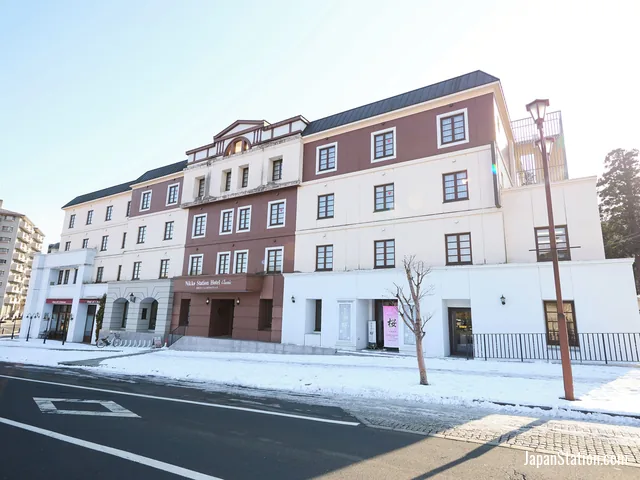
The Nikko Station Area is the arrival district. Nikko Station and Tobu-Nikko Station are a short walk apart, with hotels, visitor information, and bus stops gathered nearby. The World Heritage district begins farther uphill around Shinkyo, Rinnoji, Toshogu, and Futarasan-jinja.
Lake Chuzenji and Oku-Nikko require a separate mountain outing rather than a simple extension of the shrine walk. Kinugawa Onsen, also within Nikko City, has its own rail branch and resort center west of the main Nikko route. Check the exact district before booking. A Nikko address can refer to places that are far apart.
Getting around and onward travel
Two rail approaches connect Tokyo with central Nikko. JR passengers travel through Utsunomiya and change to the Nikko Line, while Tobu limited express trains run from Asakusa. Selected services also operate from Shinjuku or Ikebukuro. Both routes finish near the same lower-town bus network.
Sightseeing buses link the stations with Shinkyo and the World Heritage sites, then continue on longer routes toward Lake Chuzenji and Yumoto Onsen. The central temple grounds are walkable once you arrive, but the uphill journey from the stations takes much longer on foot than by bus.
Where to stay and where to go next
Stay near the two stations when rail timing, luggage, and a straightforward first or final night matter most. Hotels around the World Heritage district shorten the journey to the temples, while Lake Chuzenji or Yumoto Onsen is better for mountain scenery, hiking, and hot springs.
Nikko combines readily with Tokyo, but it also rewards a self-contained two-day visit. One day can focus on the shrine and temple complexes, with another reserved for Lake Chuzenji and the national park if weather and bus times cooperate.
Good to know
The two central rail stations are close together, but neither is beside Toshogu. Allow about 15 minutes by sightseeing bus or roughly 45 minutes on foot to reach the World Heritage area, depending on the exact stop and your walking pace.
Mountain buses take longer and can be affected by traffic, snow, or seasonal crowding. Check the current timetable before committing to a tight return train, especially during the autumn foliage season.