Overview
The two exits lead to different Kamakura days. East of Kamakura Station are Komachi-dori, Wakamiya-oji, Tsurugaoka Hachimangu, and the main streets of the historic center. The west side opens onto Onari-dori and the Enoden entrance.
This is the strongest area for combining central sightseeing on foot with rail trips elsewhere in Kamakura. The Great Buddha, Hasedera, and the beach aren't immediately outside the station, but Enoden trains bring them within easy reach without a car.
What the area is known for
Komachi-dori begins just outside the east exit beneath its red torii gate. Lined with shops, cafes, and food counters, it runs north roughly parallel to Wakamiya-oji. Both routes lead toward Tsurugaoka Hachimangu, about a ten-minute walk from the station.
The two approaches feel different. Komachi-dori is narrow, busy, and made for browsing, while Wakamiya-oji provides a straighter view toward the shrine and more room to get your bearings. Walk up one and return by the other for a change of scene.
West of the tracks, Onari-dori adds another shopping street near the Enoden side. This is also the natural exit for Kamakura City Hall and walks toward the smaller temples and residential streets west of the center.
Stations and access
JR Yokosuka Line trains connect Kamakura with Yokohama, Shinagawa, and Tokyo. Shonan-Shinjuku Line services add direct trains from Shibuya, Shinjuku, and Ikebukuro when the timetable fits. Kita-Kamakura is a separate JR stop, so get off there directly if its temple area comes first in your day.
Enoden trains leave from the west side for Hase, Yuigahama, Shichirigahama, Enoshima, and Fujisawa. Hase is about five minutes away and is the rail stop for the Great Buddha and Hasedera. Buses from the station serve temples and neighborhoods beyond the JR and Enoden corridors.
Where it fits in a trip
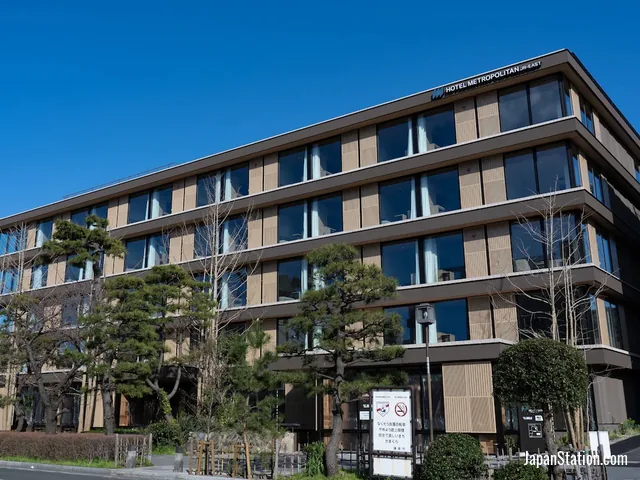
Stay here when central walks and flexible transport matter more than waking beside the sea. Hotel Metropolitan Kamakura is about two minutes from the east exit on Wakamiya-oji, close enough for an early walk toward Tsurugaoka Hachimangu or a quick return between outings.
Hase is the better choice when the Great Buddha and Hasedera are the main focus. Pick a coastal Enoden stop when beach views matter most, or Kita-Kamakura for a quieter, temple-led start. Several routes in one day are easiest from Kamakura Station.
Good to know
Crowds change the area quickly. Komachi-dori, the east exit, and Enoden boarding lines can become busy on weekends and holidays, especially during major sightseeing seasons. Allow extra time before an Enoden departure when central Kamakura is crowded.
Driving rarely simplifies a central visit. Kamakura's narrow roads and holiday traffic can delay buses and cars, while the central streets are easiest to cover on foot. Use JR for the city approach and Kita-Kamakura, Enoden for Hase and the coast, and buses for places beyond either rail line.