Overview
Narita is a city in Chiba Prefecture where Tokyo-area airport travel meets an older temple-town atmosphere. Many visitors know it first through Narita International Airport, but the city-side stations also place Naritasan Shinshoji, Omotesando, local restaurants, and convenient first-night or final-night hotels within easy reach.
What the city is known for
Narita's main sightseeing draw is Naritasan Shinshoji, a major temple with more than 1,000 years of history and a spacious precinct of halls and parkland. The walk there is part of the appeal: Omotesando runs about 800 meters from the station area toward the temple, lined with long-established shops, souvenir stores, and eel restaurants.
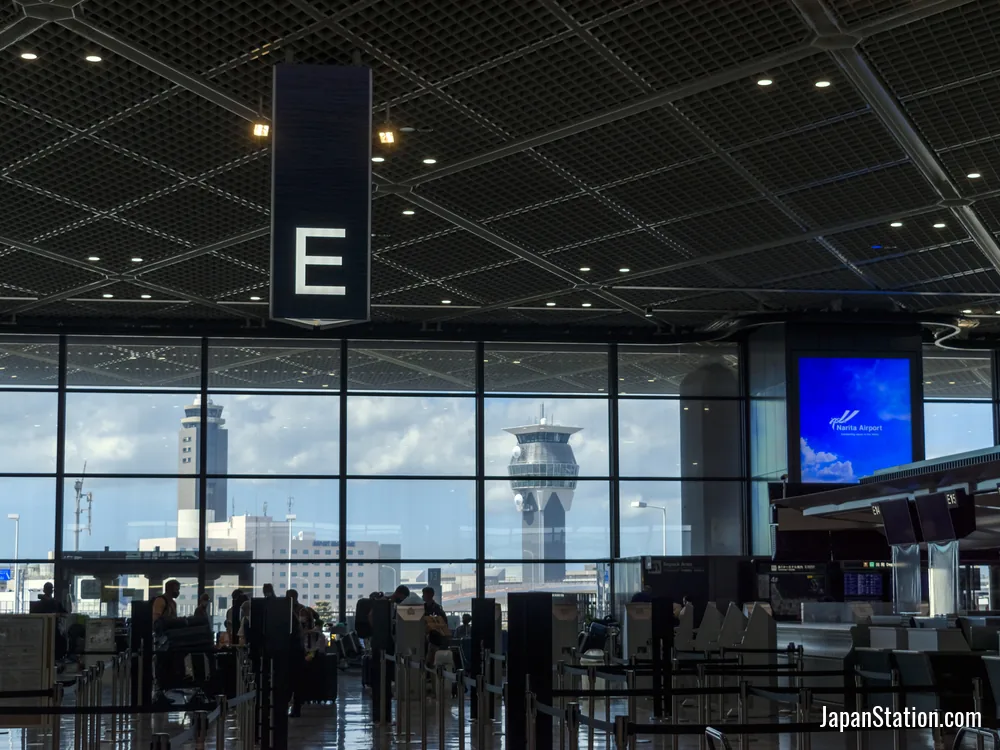
The airport shapes Narita's other identity. As one of the Tokyo region's main international gateways, it brings together rail lines, buses, terminal hotels, and airport-area stays that are especially helpful for short stopovers, early departures, and late arrivals.
Main areas
Narita Airport / Narita Station is the key choice for planning a stay. The airport side is best for terminal timing, shuttle access, and flights at awkward hours. The city-side station area works better for travelers who want to keep airport access simple while also making time for Naritasan Shinshoji, Omotesando, and a meal in town.
Keisei Narita Station and Narita Station are close to each other, but they serve different railway operators. City-side hotels such as Richmond Hotel Narita are most convenient when your trip combines airport rail with central Narita's streets, rather than focusing only on the terminals.
Getting around and onward travel
Rail access from Narita Airport uses the Narita Sky Access Line, Keisei routes, and JR routes from the airport terminal stations. Terminal 2 and Terminal 3 are served by Narita Airport Terminal 2-3 Station, while the city-side stations require a short train ride or another local transfer from the terminals.
For Tokyo, Keisei routes are convenient for Nippori and Ueno. JR routes serve Tokyo Station, Shinagawa, Shibuya, Shinjuku, Yokohama, Chiba, and other stops depending on the train. Narita is not on the Shinkansen network, so bullet-train trips usually start by continuing into Tokyo or another major rail hub.
Where to stay and where to go next
Stay near the airport terminals when flight timing, shuttle access, or a very early departure is the priority. Stay around Keisei Narita or JR Narita when you want an airport-accessible base with more local character, especially if you plan to visit Naritasan Shinshoji before or after a flight.
Narita can also make an easier arrival or departure night for a Japan trip. Rather than crossing Tokyo immediately after a long flight, you can stay near the city-side stations, eat along Omotesando, and continue onward the next day.
Good to know
Narita Airport Station, Narita Airport Terminal 2-3 Station, Keisei Narita Station, and JR Narita Station are separate access points. Check your terminal, railway operator, ticket, and hotel directions before treating any Narita stop as interchangeable.