Kyoto Station brings Shinkansen, direct Haruka airport trains, and extensive local connections together at the city's main hub for arrivals and regional travel.
Kyoto Station is the city's main rail hub for Shinkansen arrivals, airport trains, and regional journeys. South of downtown and west of Higashiyama's main sightseeing streets, it anchors the Kyoto Station Area, with hotels, local transport, and luggage services spread across a vast complex.
The tradeoff is location. Gion, Higashiyama, and the downtown shopping streets aren't immediately outside the gates. A nearby stay is especially convenient for a first or final night, an early departure, or an itinerary filled with rail outings. If evening walks through older streets matter more than easy connections, look farther north or east.
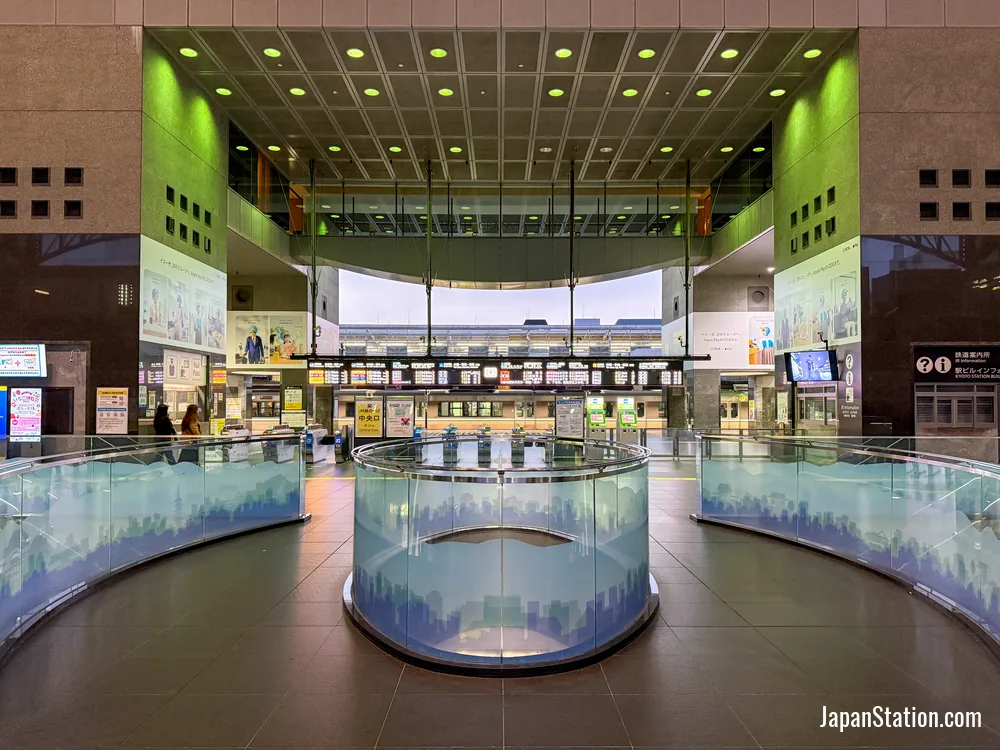
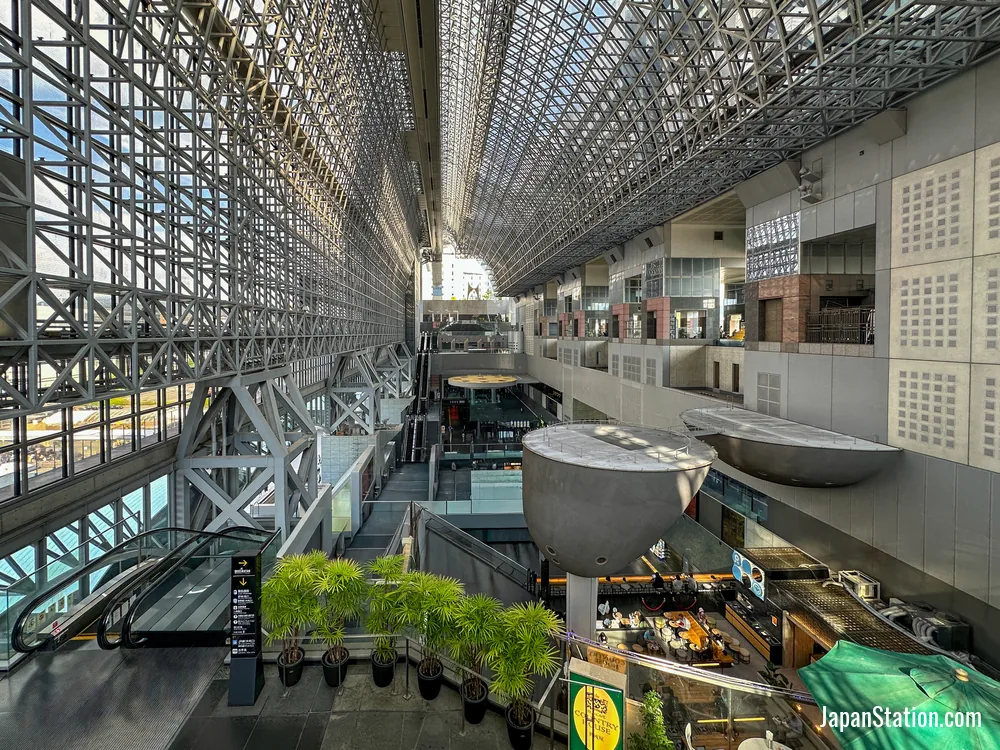
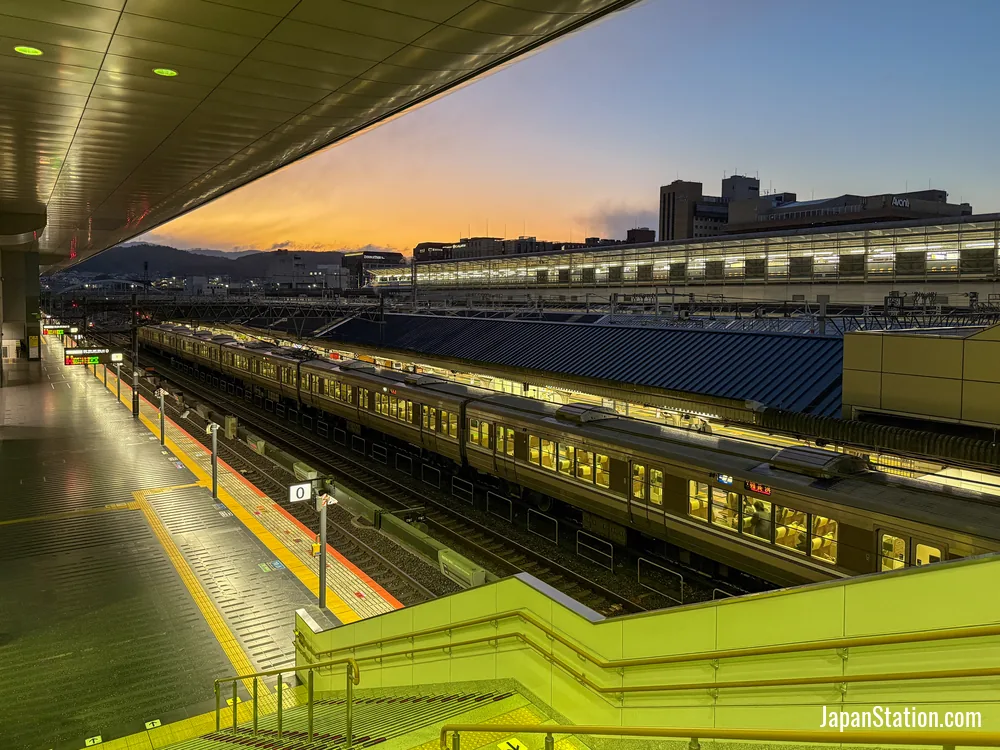
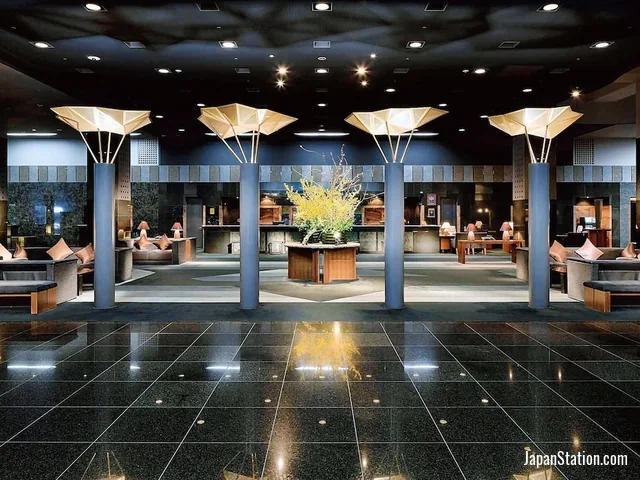
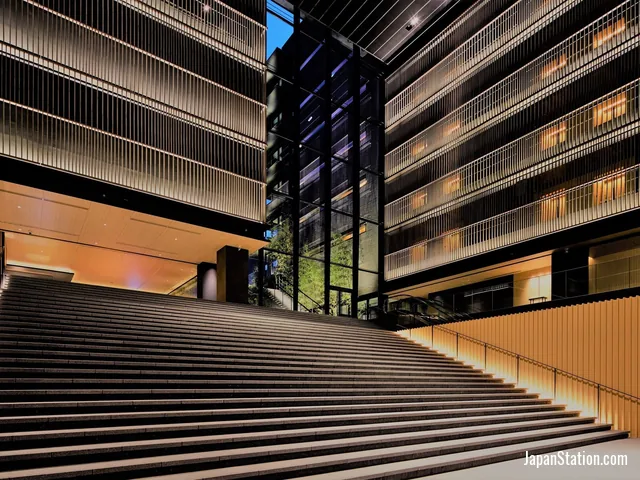
Interior of Kyoto Station.
Lines and connections
The Tokaido Shinkansen runs directly to Tokyo, Nagoya, and Shin-Osaka. On JR West's local network, the Kyoto Line provides a straightforward route toward Osaka. The Nara Line serves Inari for Fushimi Inari Taisha, Uji, and Nara, while the Sagano Line heads toward Umekoji and Saga-Arashiyama.
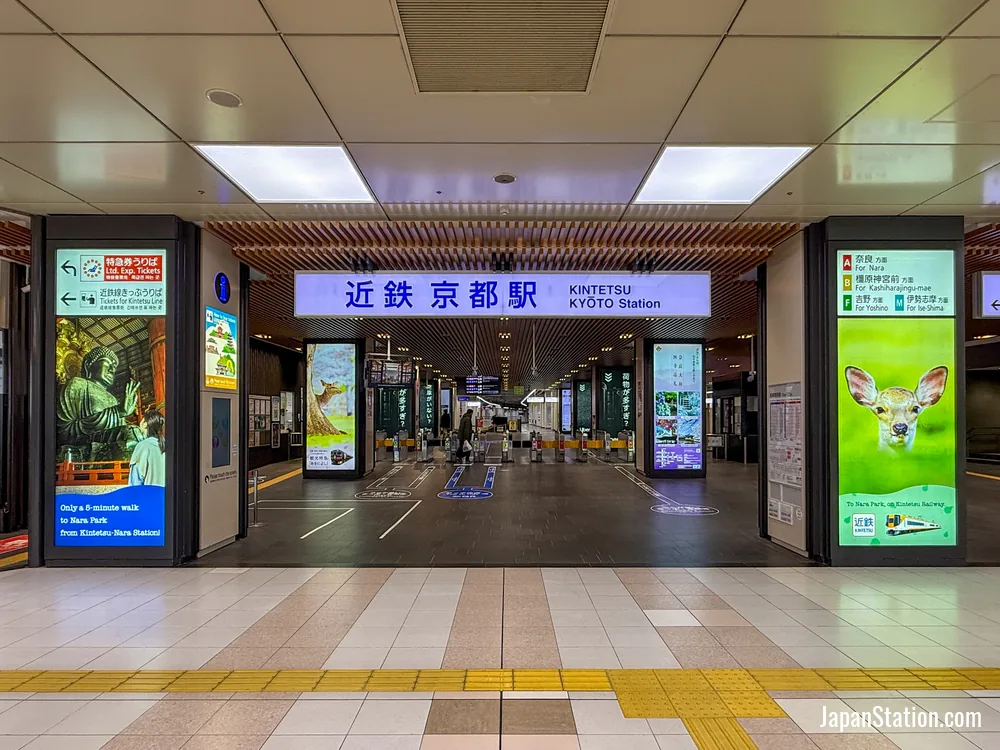
Kintetsu offers another route toward Nara and puts Toji one stop away. The Karasuma subway line runs north through Shijo to Karasuma Oike Station, where you can change for the east-west Tozai Line. Check these rail options before defaulting to a city bus, particularly when road congestion is heavy.
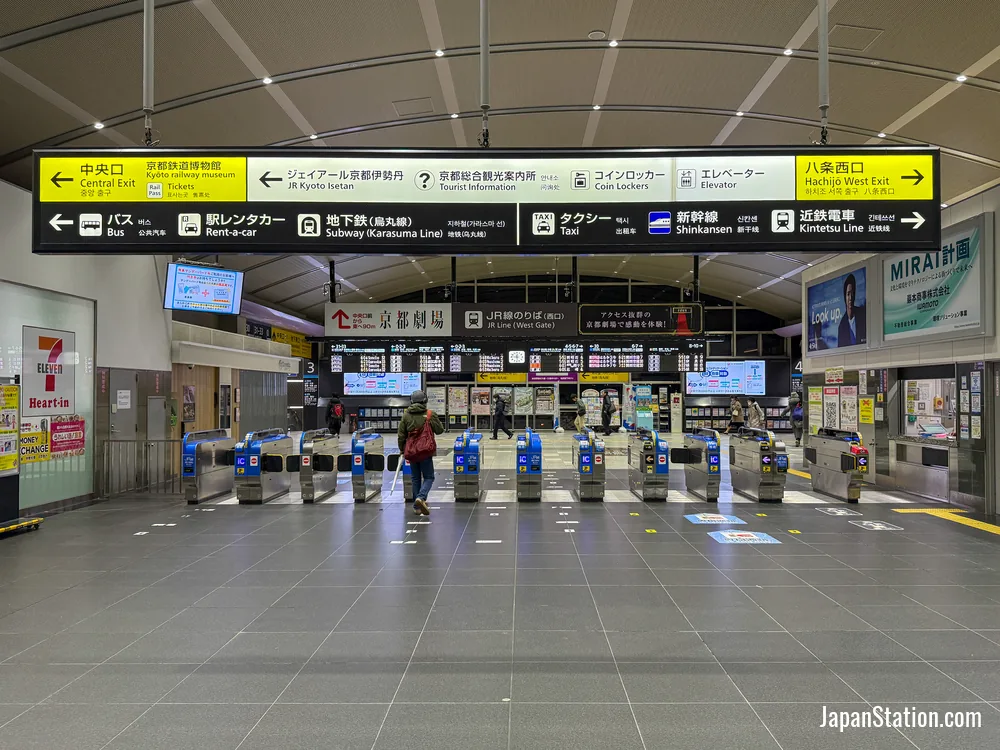
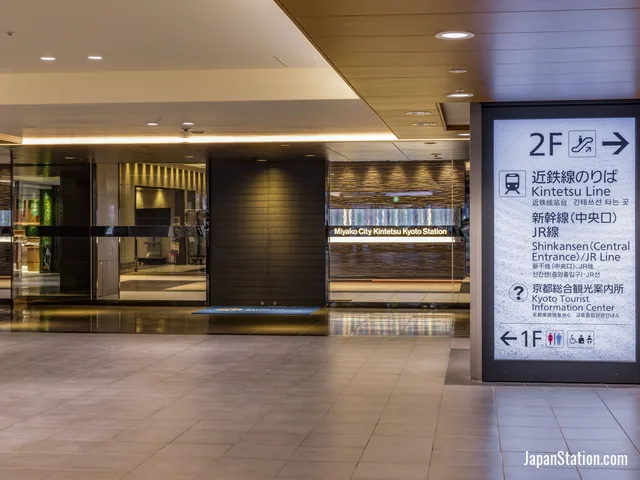
JR West ticket gate at Kyoto Station.Kintetsu area at Kyoto Station.Platform at Kyoto Station.
Kyoto Station Hotels
Airport access
The Haruka limited express runs directly between Kansai International Airport and Kyoto Station without a transfer. It's the simplest airport rail option if you're staying nearby or continuing by Shinkansen, JR, Kintetsu, or subway.
Osaka Itami Airport is linked by limousine bus rather than a direct train. Services use station-side stops, including stops on the Hachijo side, and journey times vary with traffic. Check the current stop and timetable before leaving your hotel. Starting from the wrong side of the complex can mean an unwelcome walk with luggage.
Station area
The Central Exit faces north toward Kyoto Tower, the main city-bus stands, and streets leading to Higashi Honganji. The Hachijo Exit opens to the south, closer to the Shinkansen and Kintetsu gates, airport and highway buses, and a broad cluster of hotels. The two sides connect through the station, but crossing between them takes time when the building is crowded.
There's little need to head into the city immediately for everyday travel needs. You can eat, buy essentials, find tourist information, and leave luggage inside the complex. Hotel Granvia Kyoto is within the station building, while many other hotels surround the two main sides. Before arriving, check which gate is nearest your hotel rather than assuming every station-area address is equally close.
What's nearby
The immediate district has more sightseeing than its modern streets suggest. Kyoto Tower stands outside the Central Exit, while Higashi Honganji and Nishi Hongwanji lie to the north. Toji is southwest of the station and is also one stop away on Kintetsu.
One JR stop west, Kyoto-Umekoji brings together Umekoji Park, Kyoto Aquarium, and Kyoto Railway Museum. Fushimi Inari and Uji fit naturally into Nara Line outings from Kyoto Station. Gion, Higashiyama, and the Kamo River side still require a local ride.
Good to know
Kyoto Station doesn't have Keihan or Hankyu platforms. A common rail route to the Keihan line for Gion uses the JR Nara Line to Tofukuji, followed by a change there. For Hankyu services and downtown, take the Karasuma subway line to Shijo, where Hankyu Karasuma Station is connected underground.
Meeting points require care too. The north-side Central Exit isn't the same place as the Shinkansen gates on the south side, and similar-sounding signs can lead to different concourses. Allow extra transfer time with luggage and confirm the exact gate or exit. Kyoto Station earns its place in an itinerary when smooth arrivals, departures, and train-centered days matter most.
Best visitor fit
Shinkansen AccessShopping AreaGood for Day Trips
Main lines and destinations
Train lines and station numbers appear only on station pages.
Tokaido Shinkansen
JR Kyoto Line
JR Biwako Line
JR Nara Line
JR Sagano Line
Kyoto Municipal Subway Karasuma Line (K11)
Kintetsu Kyoto Line
Hotels at the station
Hotels directly at the station or within a 5-minute walk.
Inside Kyoto's main rail complex, this Granvia has 24-square-meter doubles, extensive dining, and direct connections to Shinkansen and Haruka services.
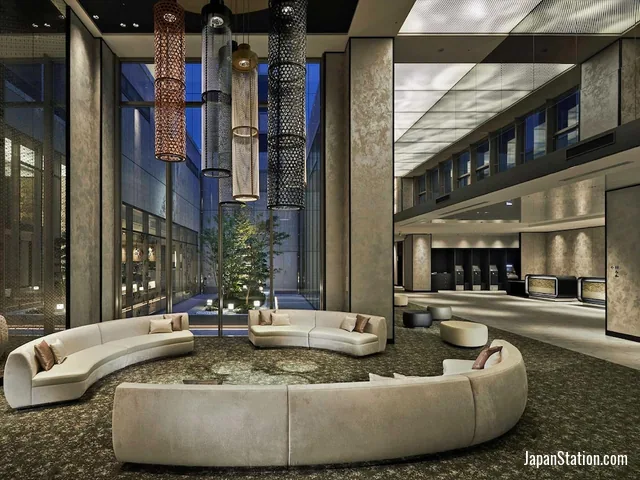
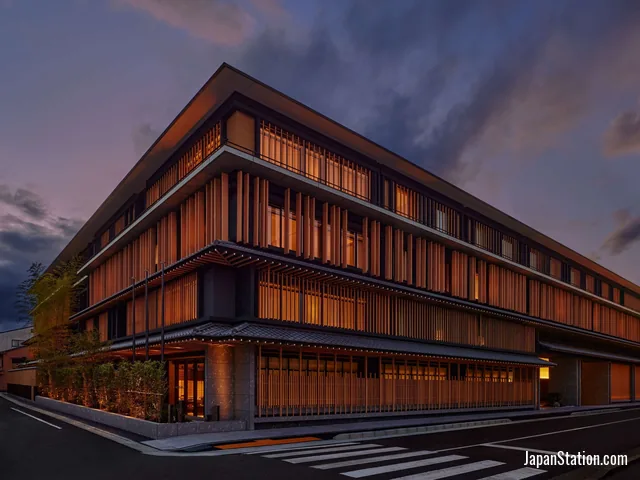
A short walk east of Kyoto Station's Central Gate, THE THOUSAND KYOTO combines rail convenience with minimalist rooms, Japanese and Italian restaurants, and spa facilities.
Directly connected to Kyoto Station, Miyako City Kintetsu Kyoto Station is about one minute from the Shinkansen Central Gate and Kintetsu ticket gates, with train-facing rooms and guest luggage lockers.
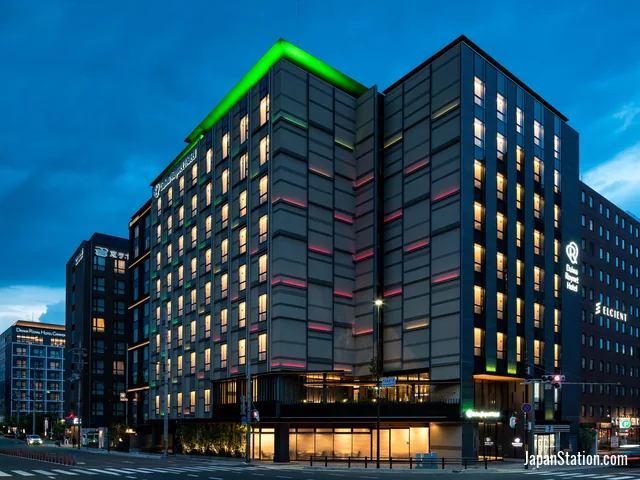
Hotel Vischio Kyoto by GRANVIA is a rail-friendly hotel about two minutes on foot from Kyoto Station's Hachijo Exit, with non-smoking rooms, public baths, and a breakfast buffet with Kyoto touches.
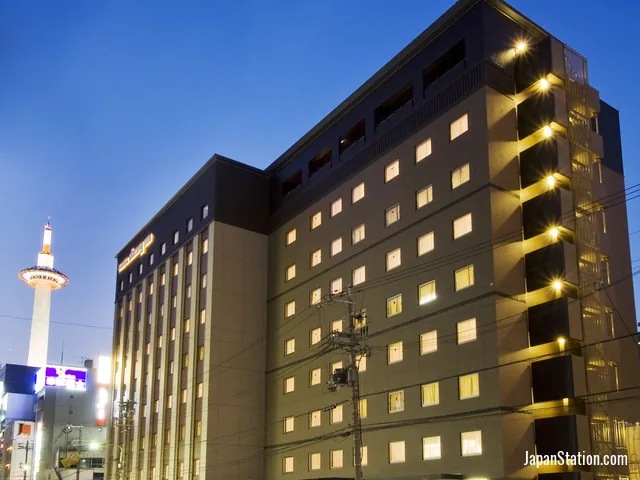
Daiwa Roynet Hotel Kyoto Terrace Hachijo PREMIER is about two minutes from Kyoto Station's Shinkansen-side gates, easing rail arrivals, early departures, and sightseeing by train.
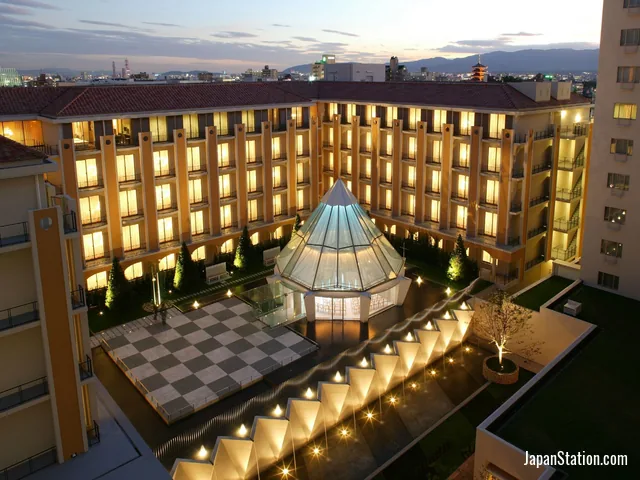
Across from Kyoto Station's Hachijo exits, Miyako Hotel Kyoto Hachijo accommodates groups of up to six and has several restaurants and staffed luggage storage.
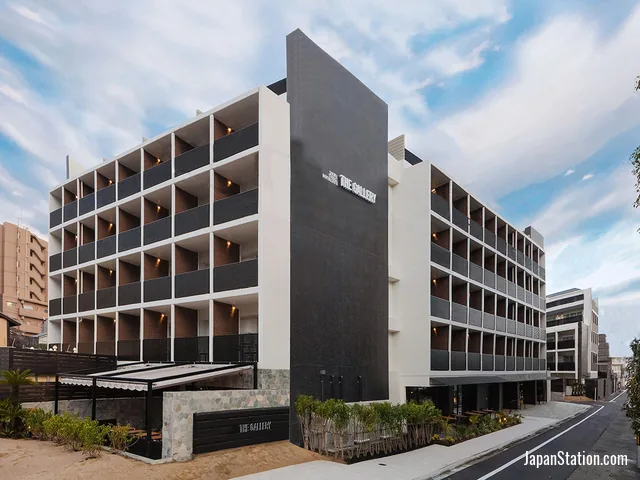
On Kyoto Station's Hachijo side, SAKURA TERRACE THE GALLERY is about 200 metres from Hachijo West Gate, close to Shinkansen platforms, To-ji, and airport connections.
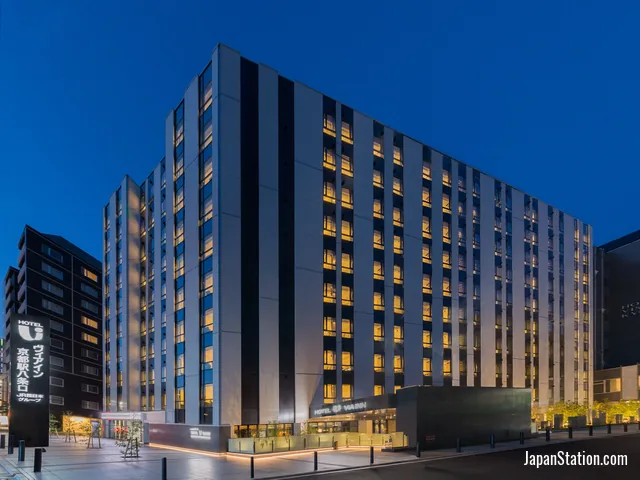
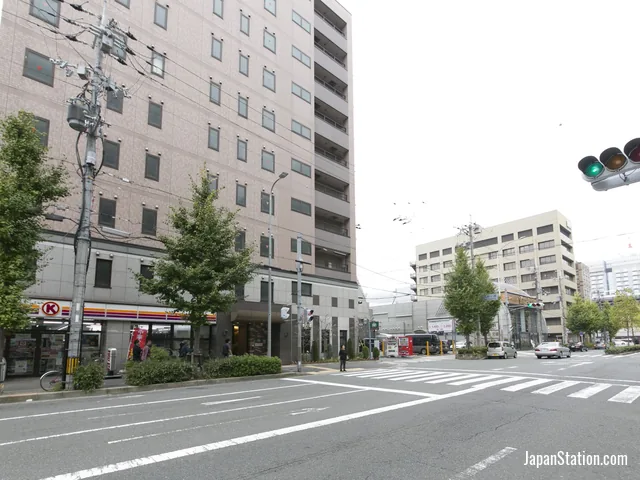
Across the street from Kyoto Station's Hachijo West Exit, Via Inn Prime Kyotoeki Hachijoguchi has self-service lockers and a ground-floor 7-Eleven that stays open around the clock.
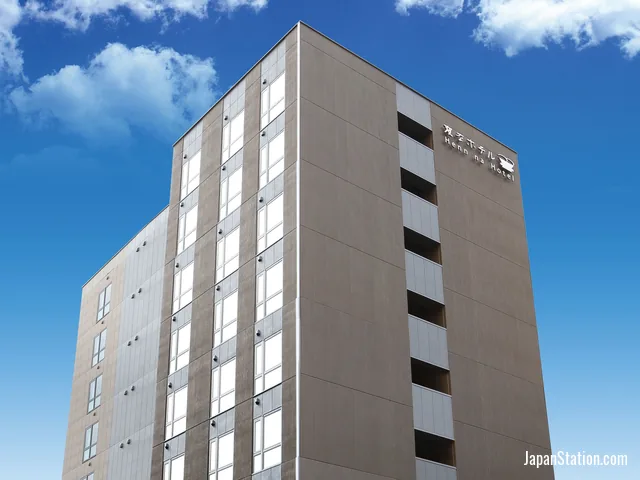
For early Shinkansen departures and airport transfers, Henn na Hotel Premier Kyoto Station Hachijo Exit is two minutes from the station, with baggage storage and bus stops nearby.
Shinkansen gates are close to Washington R&B Hotel Kyoto Station Hachijoguchi: the Hachijo East Exit can be reached in roughly three minutes on foot, rooms have been renovated, and lockers hold bags after checkout.
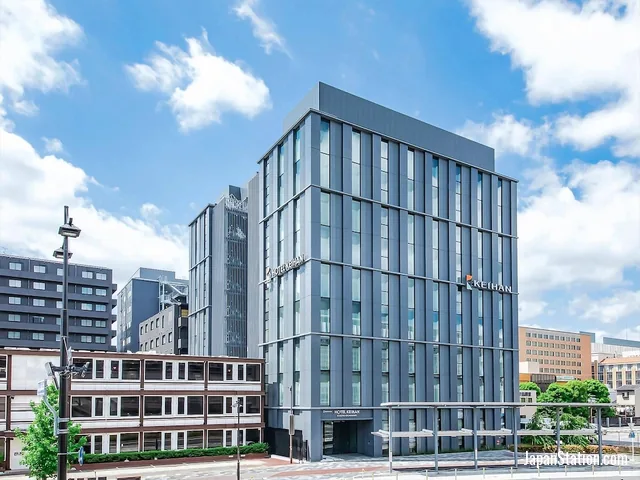
An underground route links Hotel Keihan Kyoto Grande with Kyoto Station, keeping Shinkansen departures and Hachijo-side airport buses close on arrival and departure days.
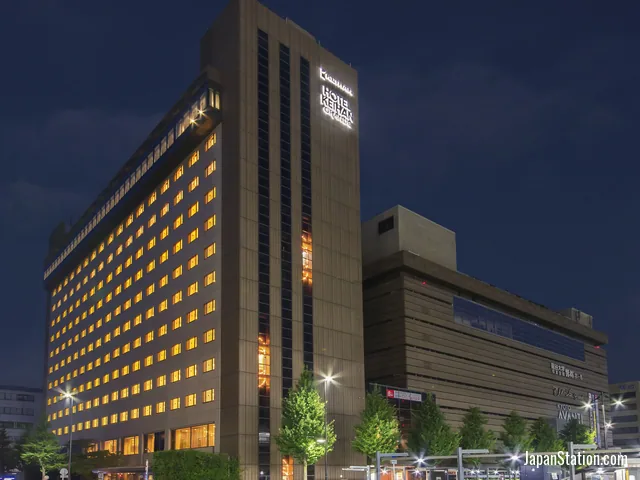
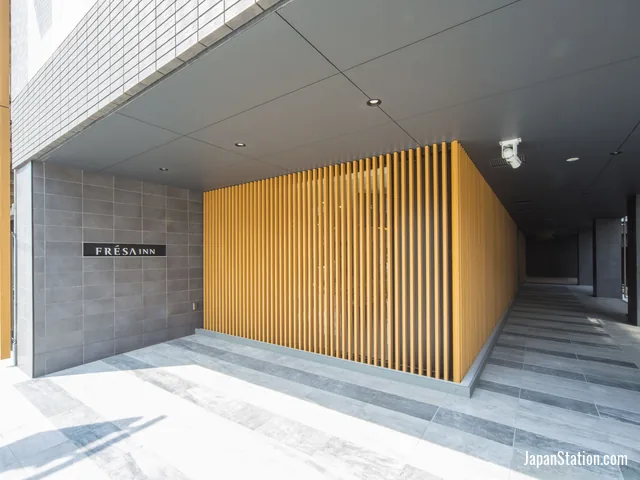
Three minutes from Kyoto Station's Hachijo East Exit, Sotetsu Fresa Inn Kyoto-Hachijoguchi keeps Shinkansen gates and airport-bus stops close for early departures and luggage-heavy arrivals.
Opening November 16, 2026, Courtyard by Marriott Kyoto Station will be a three-minute outdoor walk from the Hachijo East Exit, close to Shinkansen platforms, Haruka airport trains, and rail day-trip routes.
An eight-minute walk west of Kyoto Station, Mercure Kyoto Station brings together major rail links, Kyoto-inspired interiors, Italian dining, and rooms measuring up to 30 square meters.
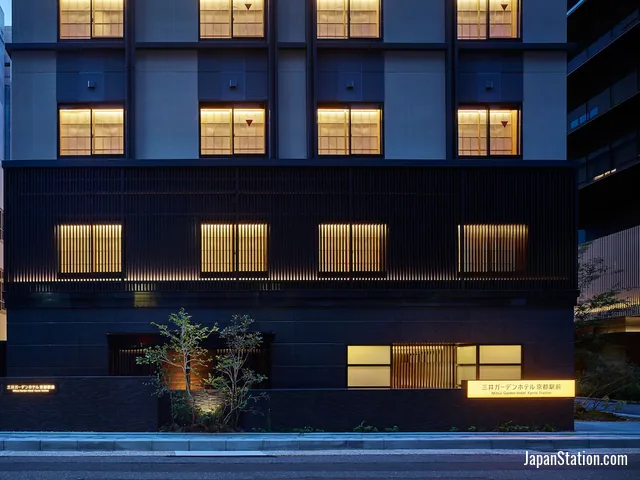
Close to Kyoto Station's main northern concourse, Mitsui Garden Hotel Kyoto Station takes about three minutes to reach from the Central Gate and has three-bed rooms and a guest lounge open until midnight.
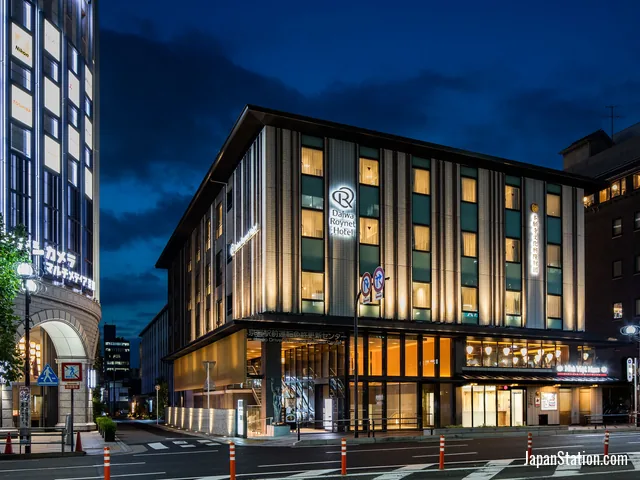
A sheltered passage through Kyoto Porta links Kyoto Station with Daiwa Roynet Hotel Kyoto Ekimae PREMIER, where rooms start at 18.2 square metres and breakfast includes Japanese, Western, and Vietnamese dishes.
Dormy Inn Premium Kyoto Ekimae is a compact hotel about three minutes from Kyoto Station's Central Exit, with a top-floor natural hot spring bath, late-evening noodles, laundry, and easy rail access.
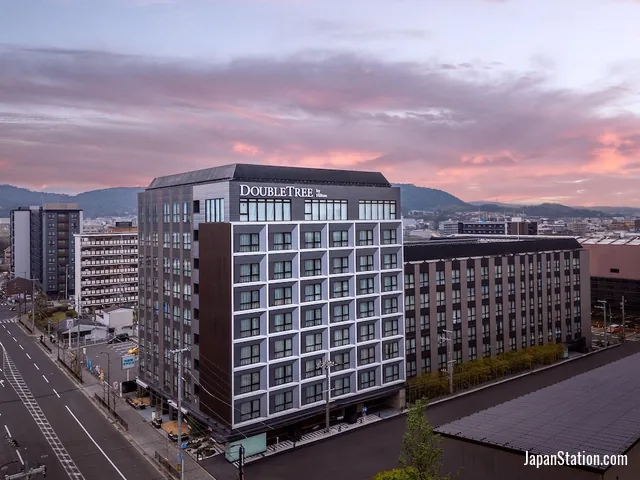
Close to Kyoto Station's Hachijo Exit, DoubleTree by Hilton Kyoto Station combines Shinkansen and airport-bus convenience with triple rooms, on-site dining, and a 24-hour gym.
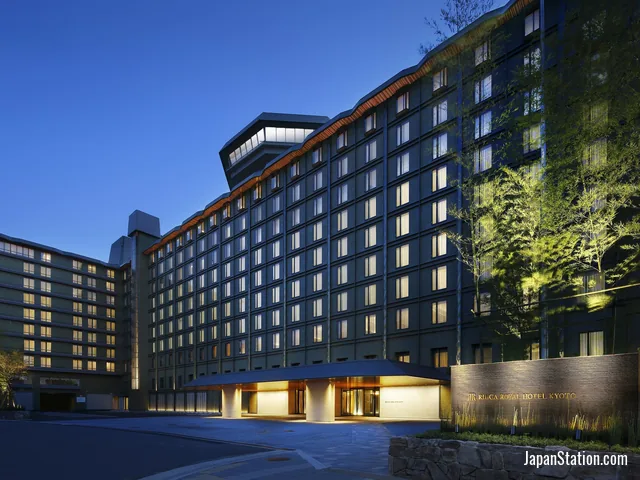
RIHGA Royal Hotel Kyoto lies west of Kyoto Station, seven minutes on foot or five by daytime shuttle from Hachijo Exit; it has varied rooms and six restaurants, plus parking and an indoor pool.
Related area
Use the area page for hotel context around this station.
First and last nights are simpler in Kyoto Station Area, where Shinkansen platforms, airport trains, hotels, and luggage services cluster around the city's main rail hub.