Overview
Facing Shimonoseki across the Kanmon Strait, Kitakyushu extends well beyond a single downtown. Kokura's rail hub, the historic port of Mojiko Retro, industrial heritage, mountains, and multiple coastlines suit different kinds of trips.
Kokura and Mojiko are the clearest starting points. Kokura handles Shinkansen arrivals and most big-city logistics, while in Mojiko, the waterfront is the attraction.
What the city is known for
Modern Kitakyushu grew from five former cities: Moji, Kokura, Tobata, Wakamatsu, and Yahata. Their individual histories remain visible in Mojiko's early 20th-century port buildings, Kokura Castle, Yahata's industrial landscape, and the sweeping night views from Mount Sarakura.
Food changes from district to district, too. Mojiko is known for baked curry and Kanmon seafood, while sushi, noodles, gyoza, and casual dining traditions appear across the wider city. Kitakyushu is spread out, so you'll get more from a visit by choosing one or two areas rather than trying to cover every sight as part of a compact center.
Main areas
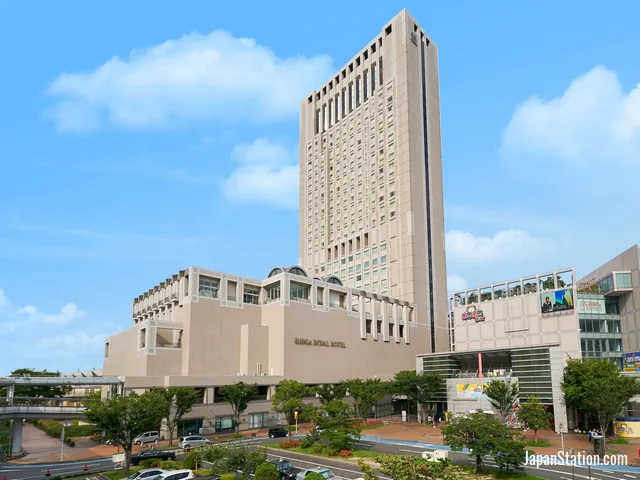
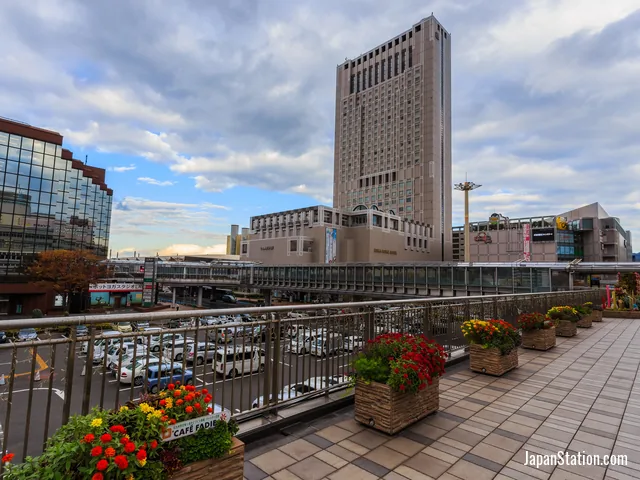
Kokura is the city's main center for transport, shopping, and hotels. Its station serves the Sanyo Shinkansen, local JR trains, buses, and the Kitakyushu Monorail. Kokura Castle and the city-center dining streets are on the south side.
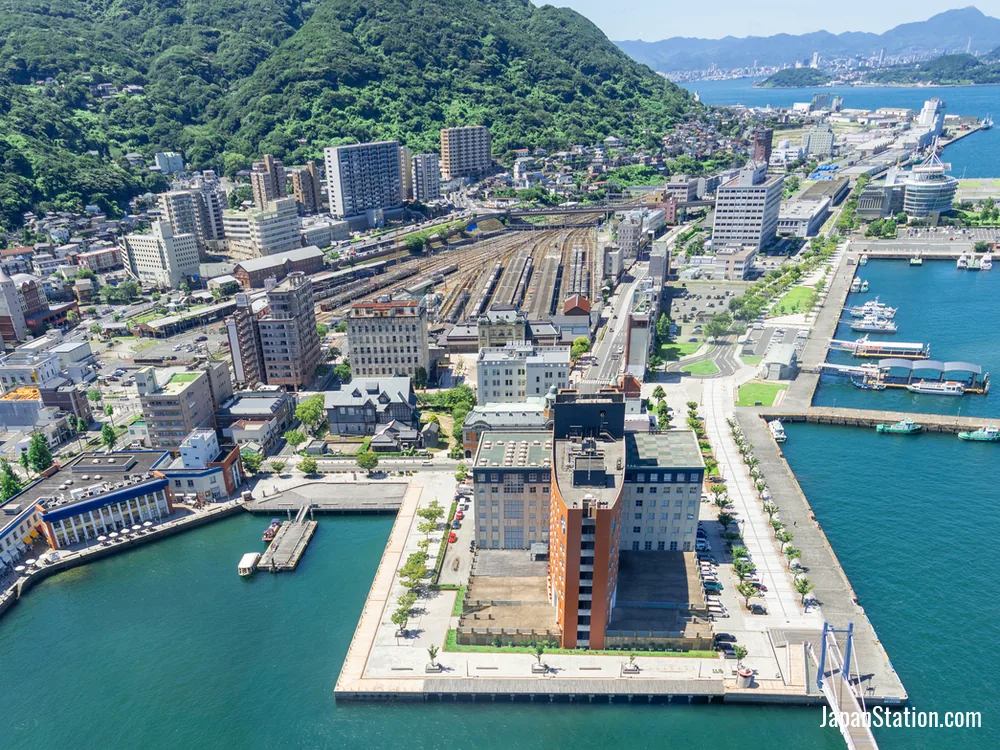
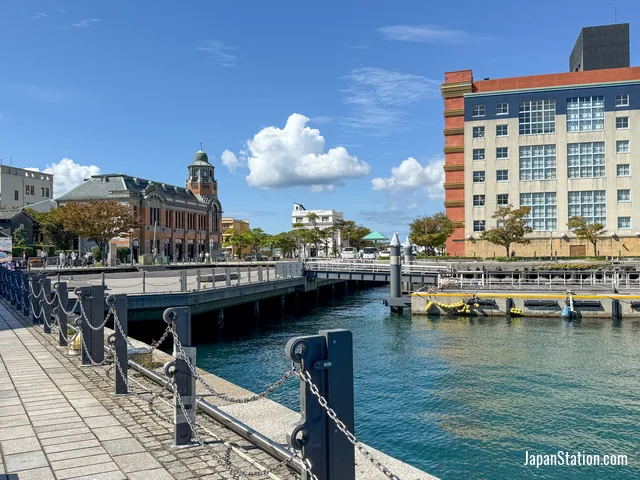
Mojiko feels quite different. Around Mojiko Station, historic buildings and Kanmon Strait views define the old port district. Museums and baked-curry restaurants line the waterfront, and ferries leave for Shimonoseki.
Farther west, Yahata and Mount Sarakura bring industrial history and elevated city views into the itinerary. Hiraodai offers limestone scenery beyond the urban core.
Getting around and onward travel
Kokura Station handles the city's main long-distance rail connections. The Shinkansen journey from Hakata takes about 15 minutes, followed by roughly another 15 minutes on a local JR train to Mojiko. Combining the two areas is straightforward, though each serves a different purpose.
Airport buses connect Kitakyushu Airport with Kokura in roughly 45 minutes. From Fukuoka Airport, the fastest published route combines the subway to Hakata with the Shinkansen to Kokura, followed by an additional local JR journey for Mojiko. Across the strait, the short Kanmon Ferry crossing links Mojiko with Karato in Shimonoseki.
Where to stay and where to go next
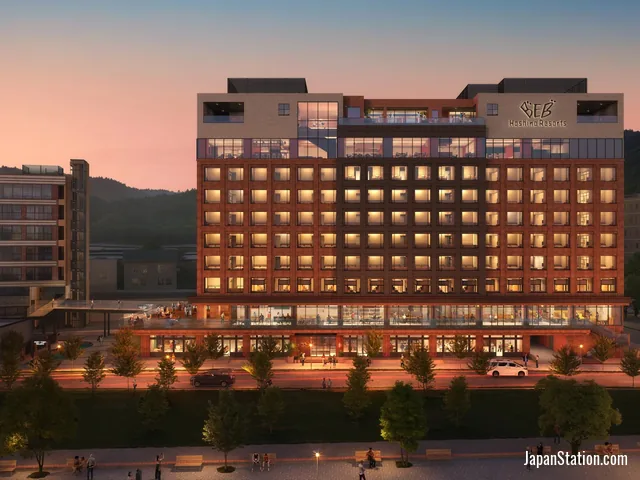
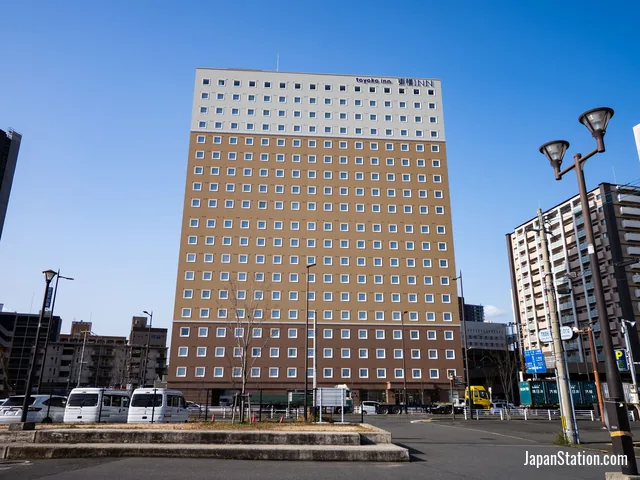
Stay around Kokura for the widest choice of hotels, rail connections, airport buses, and shopping. Mojiko is the better match when the historic waterfront, evening illumination, strait views, or an early ferry matter more than immediate Shinkansen access.
From either area, you can continue toward Fukuoka, Shimonoseki, Beppu, or elsewhere in northern Kyushu. Match the hotel district to the next journey: Kokura for long-distance rail, or Mojiko for the port and the Kanmon side of the city.