Overview
Kyushu is Japan's third-largest island, covering Fukuoka, Saga, Nagasaki, Oita, Kumamoto, Miyazaki, and Kagoshima. It is easiest to plan by gateway: northern Kyushu around Fukuoka, central Kyushu around Kumamoto and Aso, western Kyushu around Nagasaki and Sasebo, eastern Kyushu around Beppu and Oita, and southern routes toward Miyazaki, Kagoshima, Yakushima, and the Amami Islands.
What the region is known for
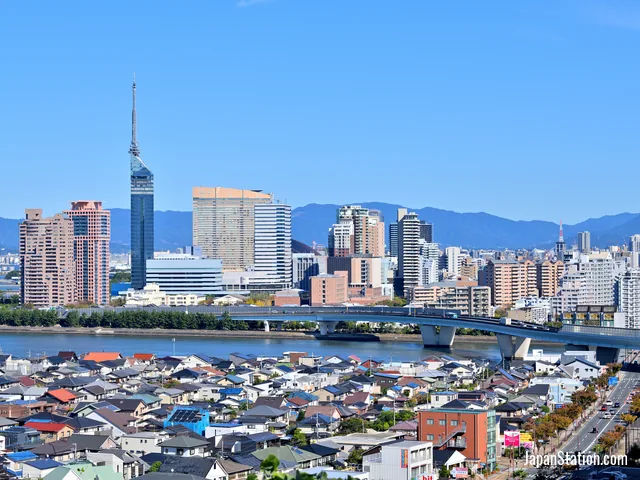
Kyushu is known for tonkotsu ramen, hot springs, volcanoes, castles, port history, pottery towns, beaches, forests, ferries, regional trains, and a warmer southern pace than Honshu's largest city regions. Fukuoka is the simplest first base for many visitors, with food, shopping, nightlife, airport access, and rail routes across the island.
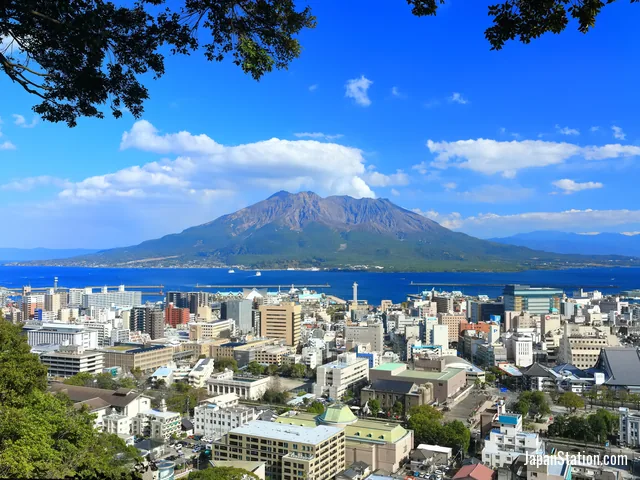
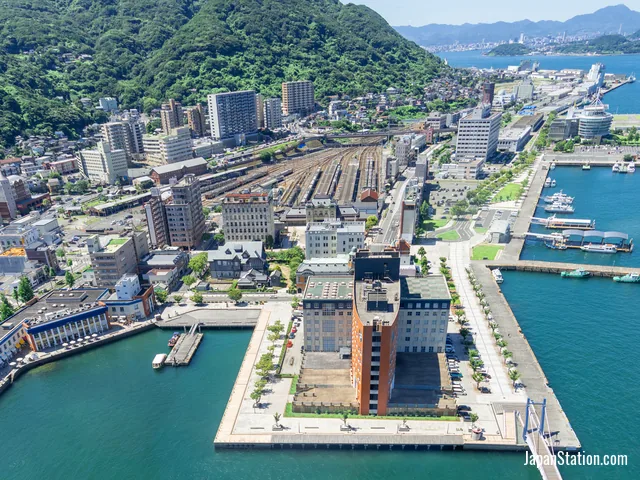
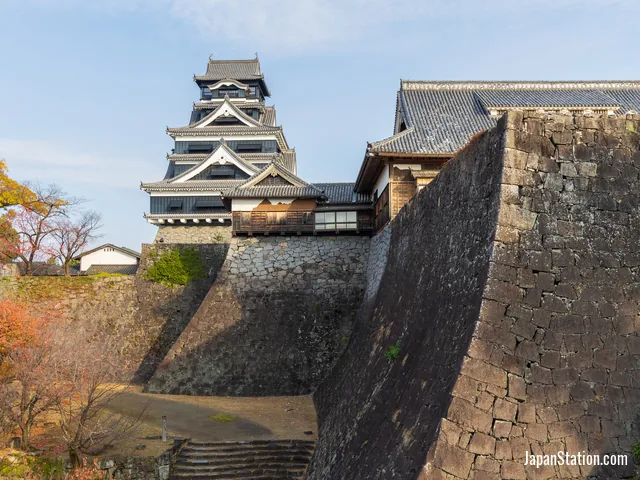
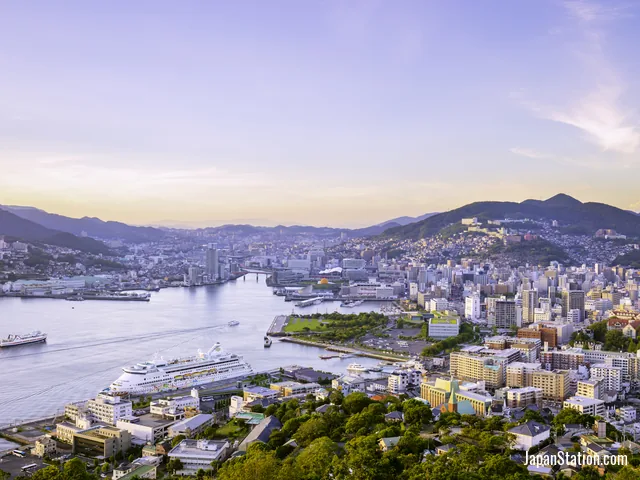
Kumamoto works well as a central base for Kumamoto Castle, city trams, local food, Aso, and Kyushu Shinkansen travel. Nagasaki and Sasebo lead into western Kyushu's port history, islands, churches, naval heritage, and ferry-linked routes. Oita, Beppu, and Yufuin are the main hot-spring anchors, while Miyazaki, Takachiho, Nichinan, Kagoshima, Ibusuki, Kirishima, Sakurajima, Yakushima, and the Amami side add coastlines, shrines, gorge scenery, volcanoes, southern rail routes, ferries, and island travel.
Main gateways
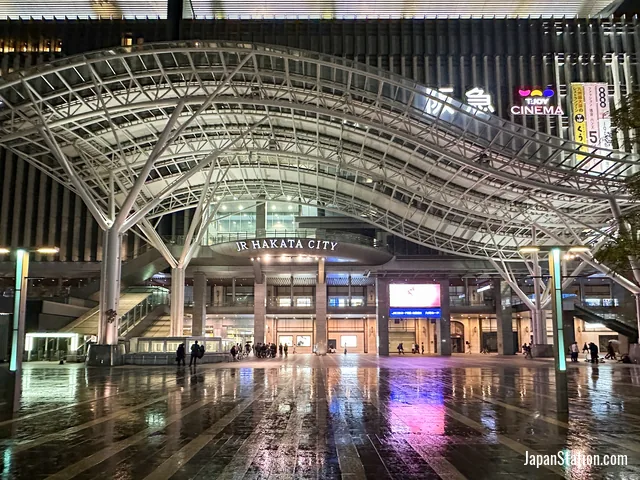
Use Fukuoka-Hakata when the trip depends on Shinkansen timing, Fukuoka Airport subway access, station hotels, shopping, food, and quick onward rail connections. Fukuoka-Tenjin is a better fit when the stay is centered on shopping, dining, nightlife, buses, and the central city rather than immediate Shinkansen access.
Kumamoto Station Area is the currently indexed central Kyushu base, useful for Kyushu Shinkansen travel, castle sightseeing, trams, and routes toward Aso. Beyond the indexed areas, travelers often choose Nagasaki, Beppu, Yufuin, Oita, Kagoshima, Miyazaki, Sasebo, Kitakyushu, Saga, Karatsu, Ibusuki, or Aso-area bases when the trip focuses on a specific part of Kyushu.
Getting around and onward travel
The Kyushu Shinkansen makes it easier to combine Fukuoka, Kumamoto, and Kagoshima, while through-travel on the Sanyo Shinkansen connects Kyushu back toward Honshu. Nagasaki follows a separate western route using limited express services and Nishi Kyushu Shinkansen segments. Beppu, Oita, Miyazaki, Takachiho, Aso, Yufuin, Kirishima, Ibusuki, Yakushima, and the Amami Islands often require limited express trains, buses, rental cars, ferries, or flights.
Where to stay
Choose Fukuoka-Hakata for the strongest rail and airport access, station hotels, and fast movement around northern Kyushu. Choose Fukuoka-Tenjin when shopping, dining, nightlife, and a more central city feel matter more than immediate Shinkansen convenience. Choose Kumamoto for the central Shinkansen corridor, castle sightseeing, and access to Aso. Choose local bases such as Nagasaki, Beppu, Yufuin, Kagoshima, Miyazaki, Sasebo, Saga, Karatsu, Ibusuki, or Aso when the itinerary is not centered on Fukuoka.
Good to know
Kyushu is large enough that one base rarely works for the whole island. Decide first whether the trip follows the Shinkansen spine, northern Kyushu, western Kyushu, the hot-spring east, the Miyazaki coast, southern Kagoshima, or island routes.