Overview
Chugoku covers western Honshu between Kansai and Kyushu, spanning Okayama, Hiroshima, Yamaguchi, Shimane, and Tottori. For travel planning, it divides naturally into two corridors: the Sanyo side along the Seto Inland Sea and the Shinkansen route, and the Sanin side along the Sea of Japan, where rail and road journeys often take longer.
What the region is known for
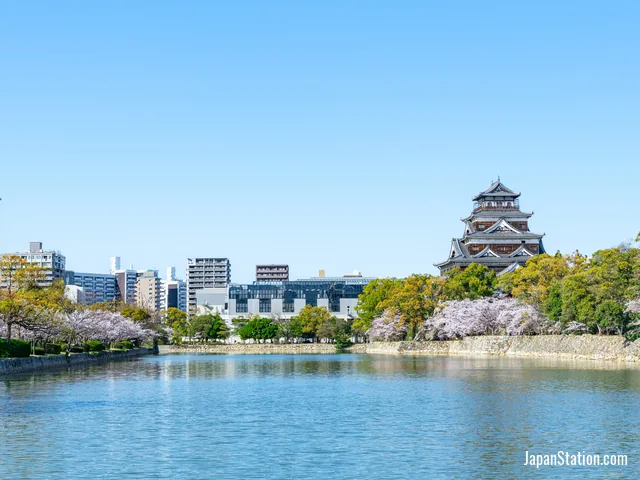
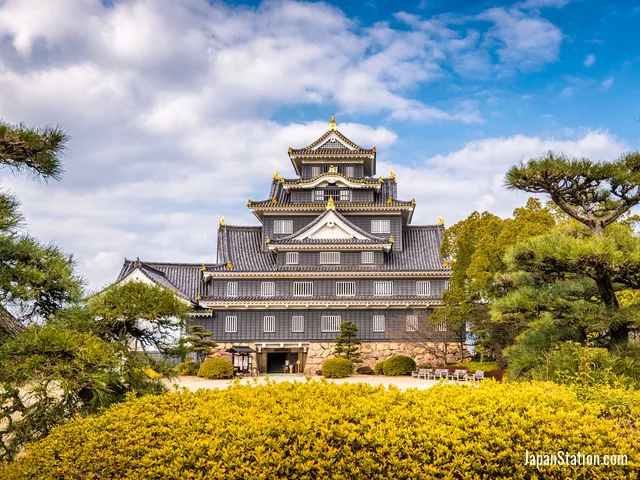
Chugoku is known for Hiroshima, Miyajima, Okayama Korakuen, Kurashiki, the Seto Inland Sea, the Shimanami Kaido, castle towns, pottery, gardens, coastal islands, and Sanin-side destinations such as Matsue, Izumo, Tottori, Mt. Daisen, Hagi, and Iwami. Hiroshima is the region's strongest anchor for international visitors, combining memorial history, city dining, streetcars, and easy access toward Miyajima.
Okayama is a practical rail gateway for gardens, Kurashiki, Naoshima and Setouchi art routes, Shikoku connections, and Sanyo Shinkansen timing. At the western end of the region, routes continue toward Yamaguchi, Shimonoseki, Hagi, and Kyushu. The northern side is slower and more rural, but it offers sand dunes, coastlines, shrine routes, hot springs, old towns, and mountain scenery.
Main gateways
Use Hiroshima Station Area when your trip depends on Shinkansen arrivals, luggage handling, streetcar access, nearby hotels, and straightforward onward rail. Hiroshima-Hatchobori is a better fit for downtown dining, shopping, nightlife, the Peace Memorial Park side of the city, and tram-based sightseeing rather than staying beside the Shinkansen.
Okayama Station Area is the main indexed base for eastern Chugoku. It works well for Sanyo Shinkansen timing, Korakuen, Kurashiki, Setouchi island routes, and rail links toward Shikoku. Beyond the indexed areas, travelers often build itineraries around Kurashiki, Onomichi, Fukuyama, Matsue, Izumo, Tottori, Yamaguchi, Hagi, or Shimonoseki, depending on whether the route follows the Sanyo coast, the Sanin coast, or the Seto Inland Sea.
Getting around and onward travel
The Sanyo Shinkansen is the region's fastest east-west rail spine, linking Kansai with Okayama, Hiroshima, Yamaguchi-side stops, and Kyushu. For places away from that spine, local rail, streetcars, ferries, buses, rental cars, and bikes become important, especially for Miyajima, Onomichi, Shimanami Kaido cycling, the Setouchi islands, Sanin coast towns, Hagi, Mt. Daisen, and Tottori.
Travel between the Sanyo and Sanin sides can take longer than the map suggests. Hiroshima and Okayama are excellent bases for some routes, but they are not ideal for every northern coast destination. Sanin trips often work better with a dedicated overnight base instead of a long out-and-back from the Shinkansen corridor.
Where to stay
Choose Hiroshima for the strongest all-purpose Chugoku base, especially if the trip includes Miyajima, city dining, memorial history, and Shinkansen travel. Choose Okayama when the route combines Sanyo Shinkansen timing with Korakuen, Kurashiki, Setouchi islands, or Shikoku. Choose local bases such as Onomichi, Matsue, Izumo, Tottori, Hagi, or Shimonoseki when cycling, coastal rail, shrines, pottery towns, or western Honshu routes shape the itinerary.
Good to know
Chugoku is easiest to plan by corridor. The Sanyo side is faster and simpler by Shinkansen, while the Sanin side often calls for slower rail, buses, driving, or an overnight stop.