Overview
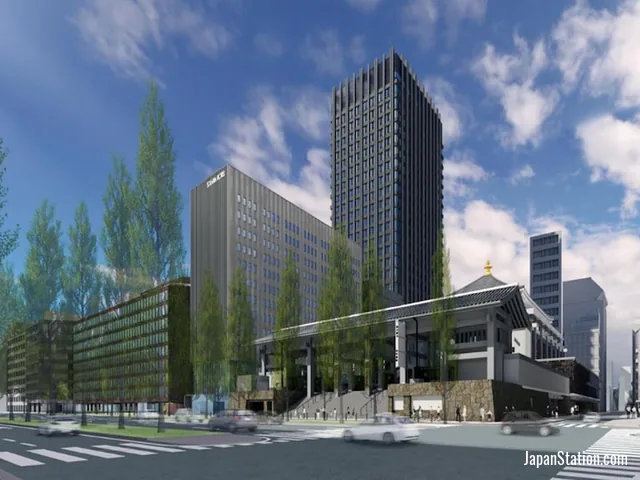
Honmachi changes character as you cross Midosuji. East of the avenue, Osaka-Honmachi belongs to Semba's office and wholesale quarter. To the west, the streets lead toward Utsubo Park and the cafes along its northern edge. Honmachi Station connects both sides via the Midosuji, Chuo, and Yotsubashi lines.
What the area is known for
Semba's commercial history remains visible in the Semba Center Building, a kilometer-long complex beneath Chuo-dori. Textile wholesalers share the building with retail shops and restaurants. Because it connects directly to Honmachi Station, it's also a convenient lunch stop between subway trips.
Midosuji forms the area's modern business spine. West of the avenue, the setting becomes greener around Utsubo Park, whose long grounds contain a rose garden and tennis center. Cafes and small shops cluster along the Kyomachibori side to the north.

Stations and access
For most visitors, the Midosuji Line will handle the main journeys. Trains run north to Umeda and Shin-Osaka Station, with Shinsaibashi and Namba directly south. The Chuo Line serves east-west trips across the city, while the Yotsubashi Line follows a parallel route through western central Osaka.
Don't pick an exit at random. The station extends beneath several blocks, and the right exit depends on whether you're heading to Semba, Midosuji, or Utsubo Park. Checking the exit nearest your hotel can save an unnecessary street-level walk.
Where it fits in a trip
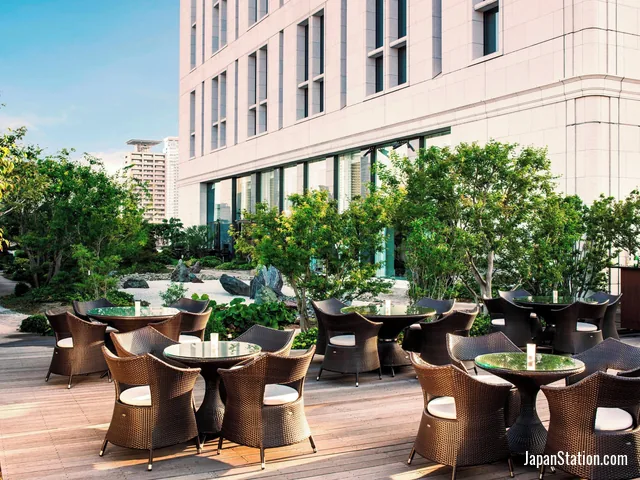
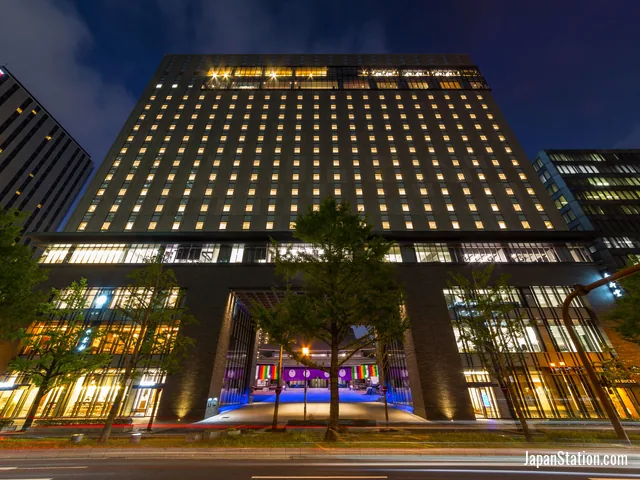
Staying in Osaka-Honmachi keeps both northern Osaka and Minami within a short subway ride, without putting you inside a major rail terminal. It suits days organized around Osaka Metro and travelers who would rather stay in an office district than a nightlife district.
The limitation is long-distance rail. Osaka-Umeda is better placed for JR services, while Osaka-Namba puts Nankai trains and Minami's evening streets closer at hand. Honmachi gives up those doorstep connections in return for balanced subway routes across central Osaka.