Overview
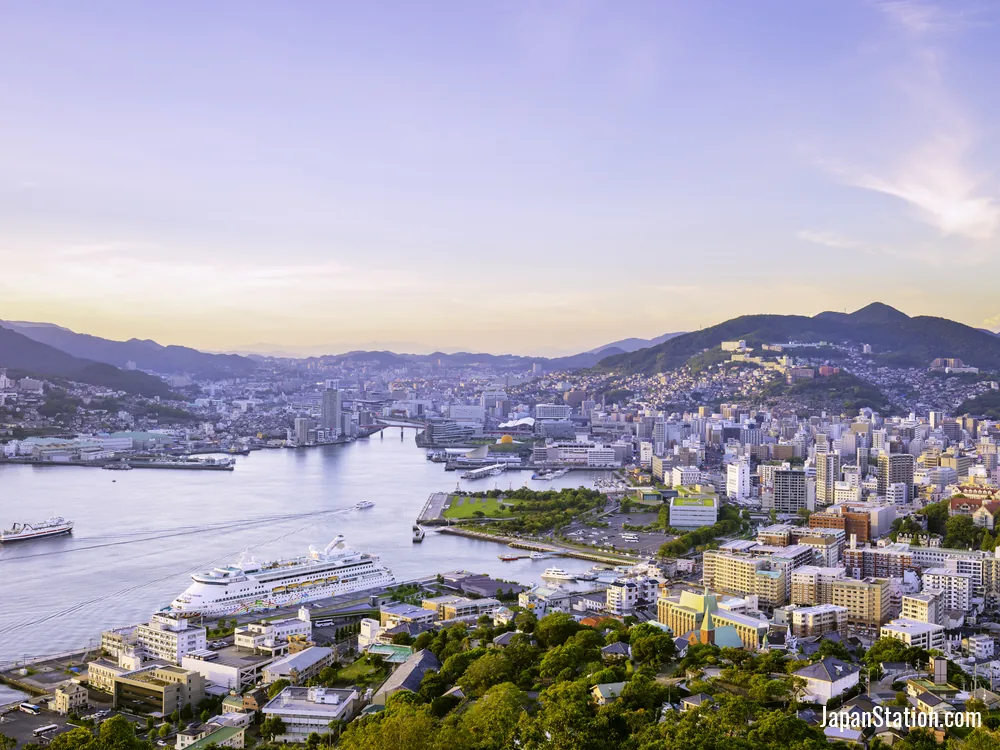
Mountains frame Nagasaki's harbor on three sides, giving the city broad views and a distinctly hilly layout. Its main sights stretch from the northern peace memorial area to Dejima, Chinatown, and the former foreign settlement south of the center. Trams and buses are often more useful than trying to cover everything on foot.
Nagasaki Station is practical for arrivals, luggage, and onward travel, but it is separate from several major sightseeing districts. Where you stay depends on whether transport convenience or evening access to the historic center matters more.
What the city is known for
Dejima tells the story of trade with Europe, while Shinchi Chinatown and dishes such as champon and sara udon reflect Nagasaki's long ties with China. Farther south, Glover Garden and Oura Church anchor the former foreign settlement on the slopes above the harbor.
Peace Park and the Nagasaki Atomic Bomb Museum examine the 1945 bombing and its aftermath. Mount Inasa offers a wide view across the harbor, city, and surrounding hills. These places aren't gathered into one walkable old quarter.
Main areas
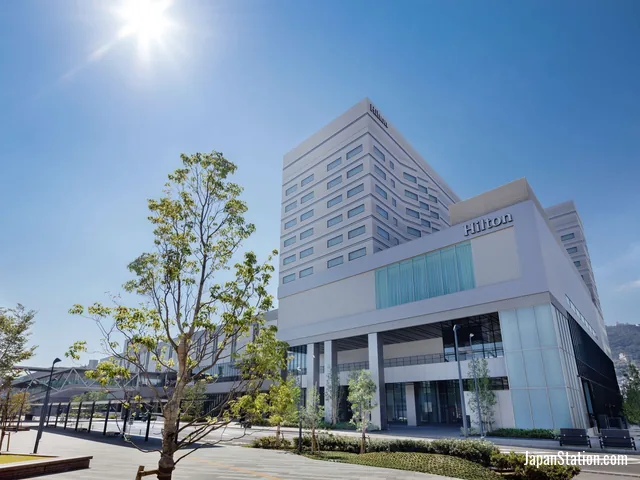
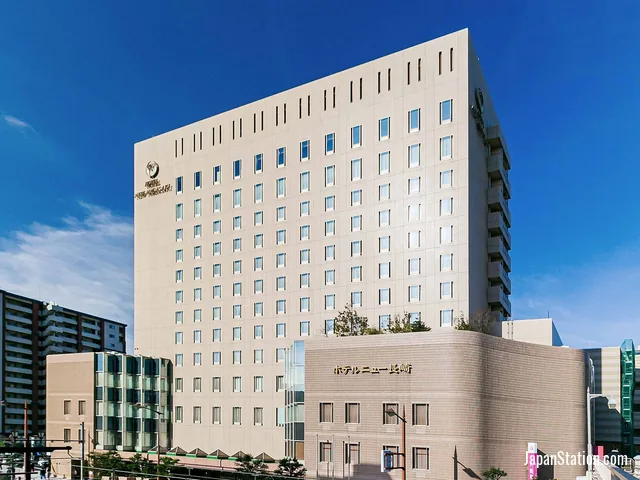
The Nagasaki Station Area is the easiest place to stay for Shinkansen arrivals, airport buses, heavy luggage, and early departures. Shopping and several hotels are also close to the station complex.
Dejima and Shinchi Chinatown put restaurants and evening waterfront walks nearby. Glover Garden and Oura Church form a southern sightseeing cluster, while Peace Park and the Atomic Bomb Museum are north of the center. Group nearby sights into the same outing to reduce backtracking.
Getting around and onward travel
Trams cover many central sightseeing routes, while buses reach places away from the tracks and in hillier parts of the city. From Nagasaki Station, the peace memorial area is to the north; Dejima, Chinatown, and the southern historic district are to the south.
Travel to Hakata requires the Nishi Kyushu Shinkansen Kamome to Takeo-Onsen, followed by a change to the Relay Kamome limited express. The services use a coordinated same-platform transfer, but the journey isn't a direct Shinkansen trip all the way from Nagasaki to Hakata.
Nagasaki Airport has no rail connection. Airport buses serve Nagasaki Station, and the journey takes about 40 minutes under normal traffic conditions.
Where to stay and where to go next
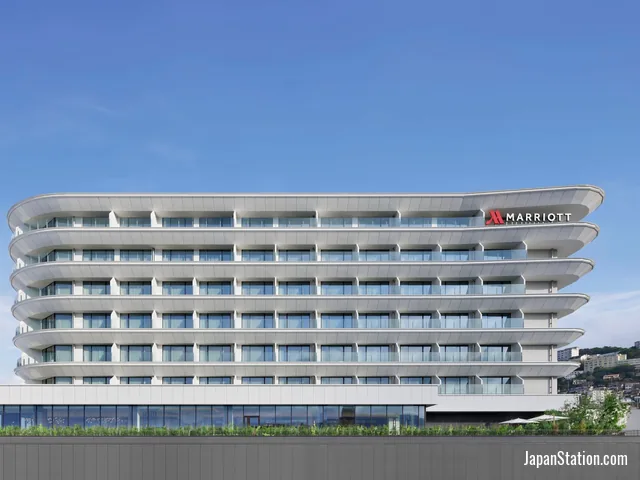
Stay near the station when arrival and departure logistics come first, especially with heavy luggage or an early train. A hotel around Dejima or Chinatown keeps more restaurants, waterfront walks, and historic streets within easy reach after sightseeing.
The station is simpler at the beginning and end of a visit. A central waterfront hotel gives you shorter evening walks to dining and old port streets.