Overview
A wooden torii outside Iseshi Station marks the start of the direct approach to Geku. The shrine is about 400 meters away, with hotels, luggage services, restaurants, cafes, and souvenir shops lining the streets between the rail gates and the grounds.
This is Ise at its easiest. Arrival, check-in, a meal, and the first part of the traditional shrine route can all fit into the same compact area before a bus ride onward to Naiku.
What the area is known for
Geku-sando gives the area its shape. Beginning at the JR-side exit, the approach leads straight to Geku, the part of Ise Jingu dedicated to Toyo'uke-no-Omikami. Visitors traditionally start here before continuing to Naiku.
The surrounding streets double as an arrival district. Ise udon, seafood, Matsusaka beef, local sweets, and everyday cafes are found along and around the approach, while the station has tourist information and paid baggage services.
Main places
Geku is about five minutes from the station square on foot. Its forested precinct contains the main sanctuary and several associated shrines, while the nearby Sengukan museum explains Ise Jingu's rebuilding tradition and craftsmanship.
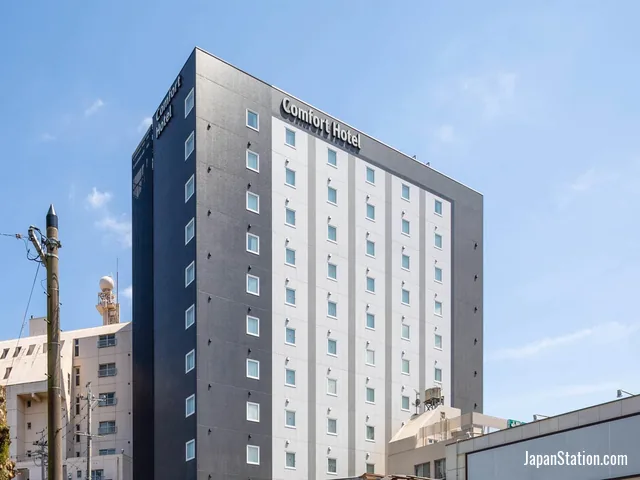
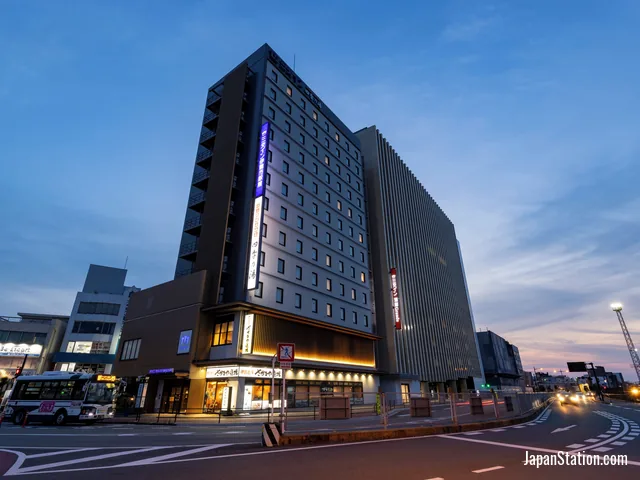
Comfort Hotel ERA Ise is about three minutes from the station's JR-side exit and roughly six minutes from Geku. You can leave your luggage, visit the shrine, and return without adding a local transfer.
Ujiyamada Station lies to the east and serves as another Kintetsu arrival point. It can be helpful for some limited express journeys, but the most direct walk to Geku begins at Iseshi Station.
Stations and access
JR Central and Kintetsu share Iseshi Station, though their gates face opposite sides of the tracks. Kintetsu passengers heading to Geku should use the internal overpass toward the JR-side gate. Outside, the torii and approach make the route easy to identify.
Buses for Naiku depart from the station and Geku side, connecting the two main shrine areas. Isuzugawa Station provides another Kintetsu approach to Naiku. For Futami, JR trains from Iseshi to Futaminoura are generally more direct than trying to include the coast in the central walking area.
Where it fits in a trip
The area is especially convenient during the first or final hours of an Ise stay. Rail arrivals, hotel check-in, baggage storage, Geku, and places to eat are all close together, reducing backtracking when you're carrying luggage or working around a fixed train time.
Naiku has the better-known traditional shopping streets around Oharaimachi and Okage Yokocho. Stay near Iseshi Station for simpler transport and Geku access, then travel to Naiku for the larger shrine-and-street visit.
Good to know
Use the JR-side exit for Geku and Comfort Hotel ERA Ise. The station doesn't consistently identify its two sides as north and south, so follow signs for the JR gate or Geku rather than relying on compass directions.