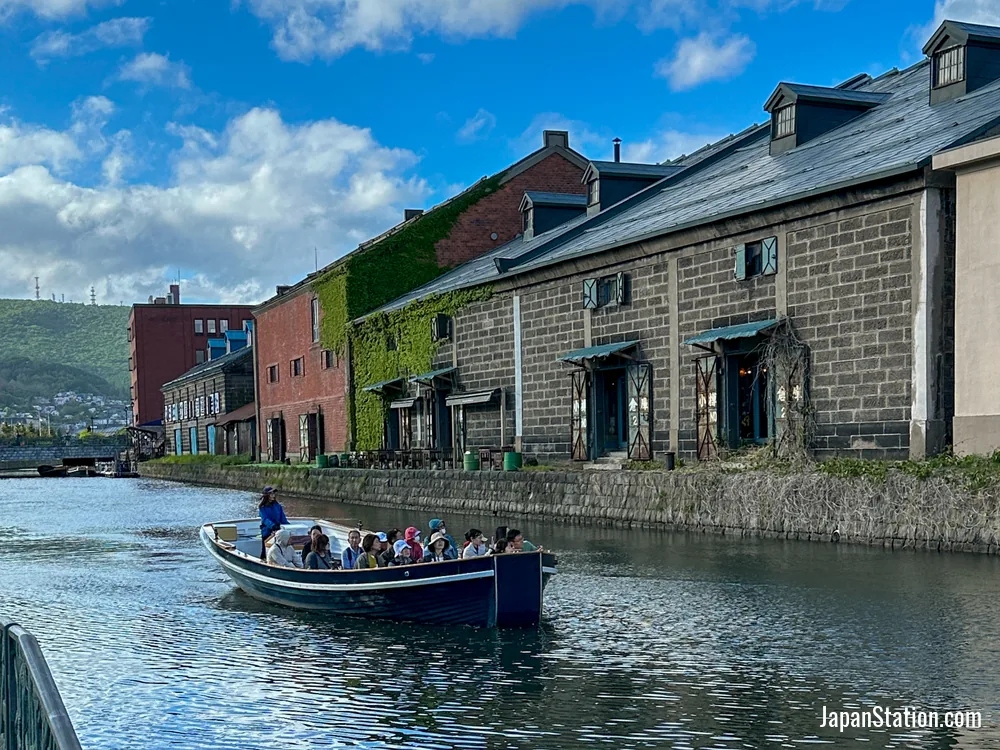
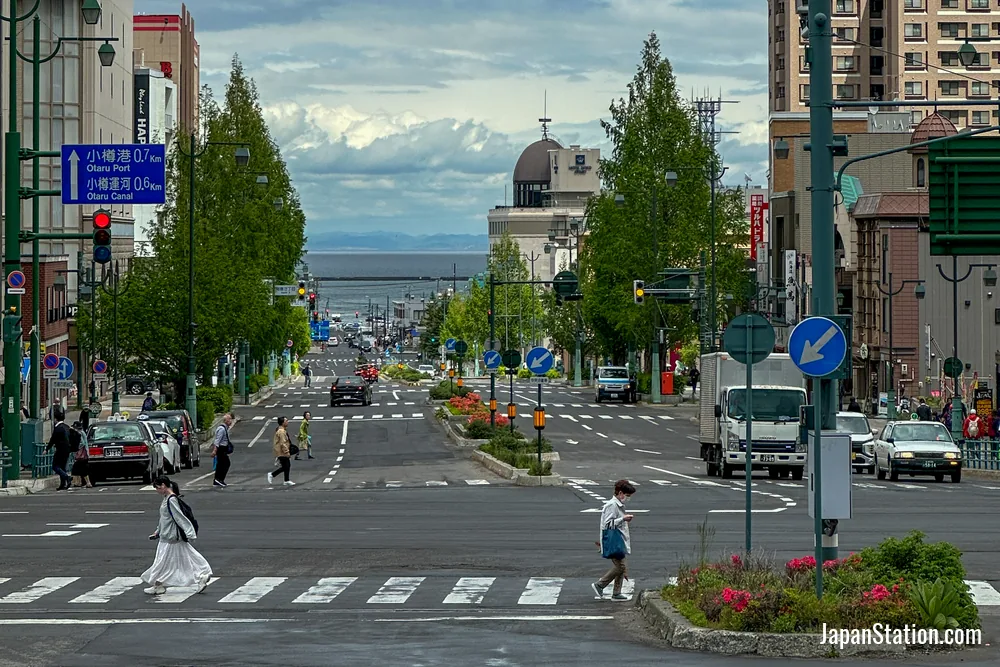
The sea is visible from Otaru Station. Walk downhill and the route to the canal passes the former Temiya railway tracks and stone buildings from the city's trading years. From the water, the historic center continues toward Sakaimachi's shops, cafes, and glass workshops.
That compact layout is enough for a day trip from Sapporo. Stay overnight and you can see the canal after many day visitors leave, linger over dinner, and add one outer district without watching the return timetable.
What the city is known for
The city grew from a fishing settlement into a major port and financial center during Hokkaido's early industrial development. Warehouses, banks, and trading offices from that period still shape the center, especially around the canal and Ironai. Many now house restaurants, museums, shops, or hotels.
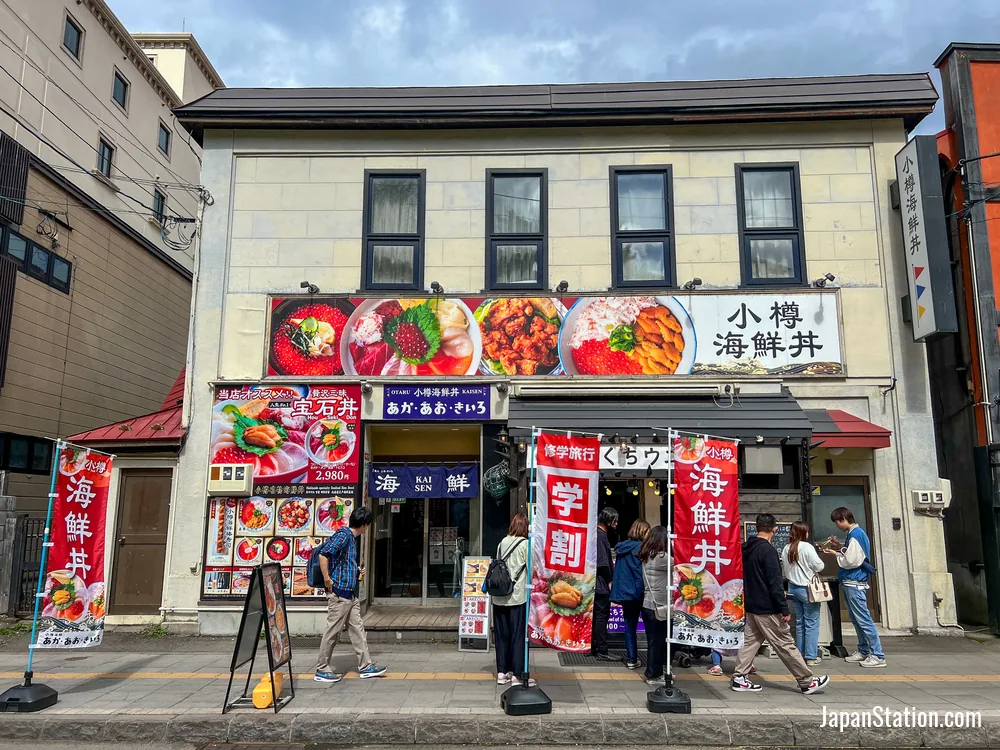
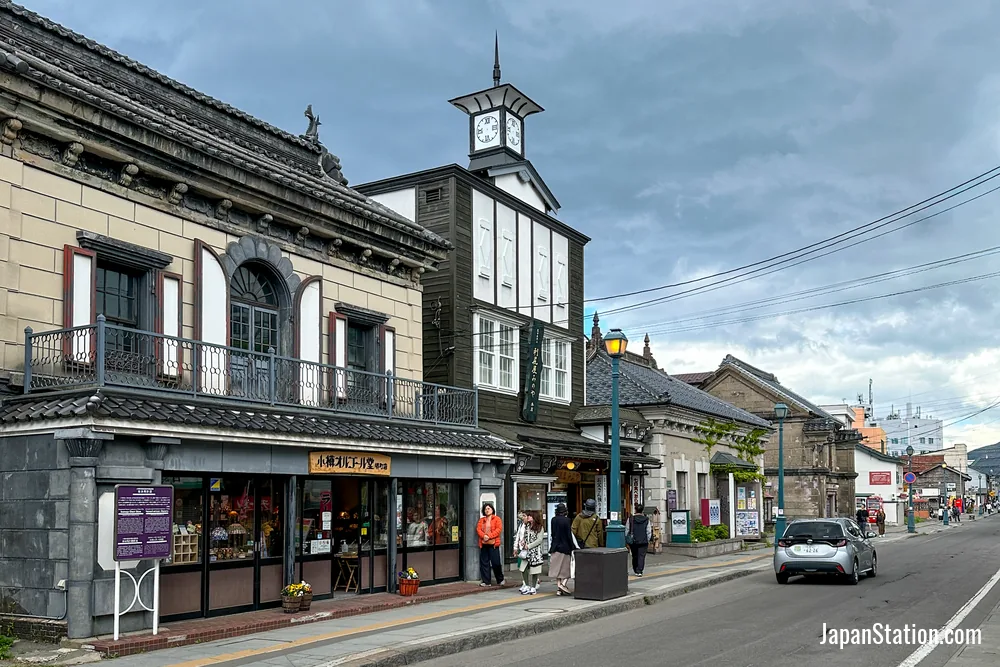
The canal is the best-known landmark, but it isn't the whole visit. Sakaimachi adds preserved merchant buildings and specialist shops for glassware, music boxes, and sweets. Cafes and port-side seafood restaurants carry the route farther into the day.
Seafood restaurant in Otaru. Photo by Maria Fukuda.
Otaru Hotels
Main areas
The Otaru Station Area is the easiest place to handle trains, buses, and luggage. The central sightseeing route runs downhill from here through the former Temiya Line and canal district, then south toward Sakaimachi. Most first visits can follow it on foot.
Mount Tengu, Shukutsu, and Asarigawa Hot Springs need separate plans. Mount Tengu is reached by bus or taxi before the ropeway ride. Shukutsu combines a rugged coast with herring-port history and Otaru Aquarium, while Asarigawa is a river-and-mountain hot-spring district with its own hotels and seasonal outdoor activities.
Sakaimachi Hondori Street in Otaru. Photo by Maria Fukuda.Walk from Otaru Station to the canal. Photo by Maria Fukuda.
Getting around and onward travel
JR rapid trains connect Sapporo Station with Otaru in as little as 32 minutes. Some Rapid Airport services continue directly between New Chitose Airport and the city, with the fastest trips taking about 75 minutes. Direct airport buses also run, although rail is usually the clearer choice for the center.
Walking covers the station, canal, Sakaimachi, and many central restaurants. Use local buses or taxis for Mount Tengu, Shukutsu, the aquarium, and Asarigawa. In winter, snow and ice can make even the central slopes slower than they appear on a map.
Where to stay and where to go next
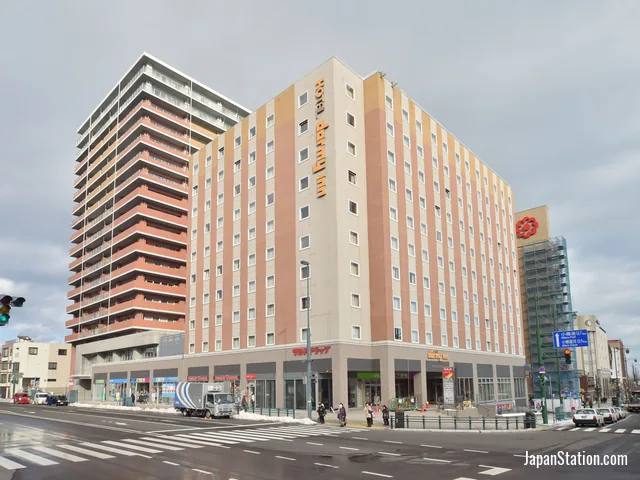
Station-side hotels simplify luggage and early trains. A room near the canal or historic streets favors evening walks, while Asarigawa is for a hot-spring stay away from the center.
Many trips combine the city with Sapporo. The rail line also continues toward Yoichi and Kutchan, but regional services beyond the city run less frequently than trains back to Sapporo, so check the onward schedule.
Good to know
The classic station-to-canal walk is downhill. The return is uphill, a small but noticeable difference when you're pulling luggage or walking on winter streets.
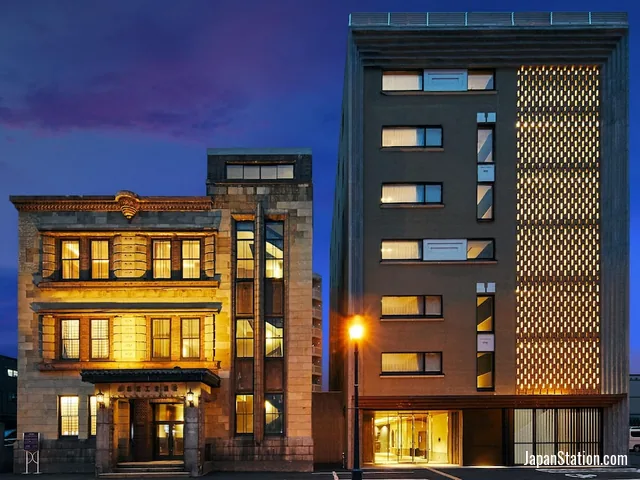
OMO5 Otaru by Hoshino Resorts is a design-minded hotel near Otaru Canal and JR Otaru Station, well suited to retro streets, a seafood-focused breakfast, and rail-based sightseeing.
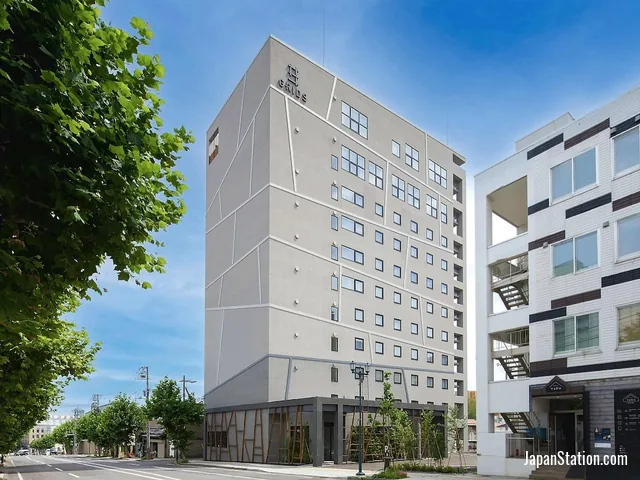
Between Otaru Station and the canal, GRIDS Premium Hotel Otaru balances walkable sightseeing with flexible family rooms and open-air bathing on the 11th floor.
Where to stay in this city
Compare practical stay areas by transport usefulness rather than by generic sightseeing rank.
From Otaru Station, visitors walk downhill to Otaru Canal; direct trains run from Sapporo, some continue from the airport, and westbound locals head toward Yoichi and Kutchan.