Overview
Sendai makes northern Japan feel easy to approach while still offering a clear identity of its own. The center feels green and readable, with Date Masamune history and regional food giving visitors reasons to stay beyond the rail transfer.
Sendai Station is the key transport hub. Tokyo is about one and a half hours away by Tohoku Shinkansen, and direct trains connect the city with Sendai Airport in about 25 minutes.
What the city is known for
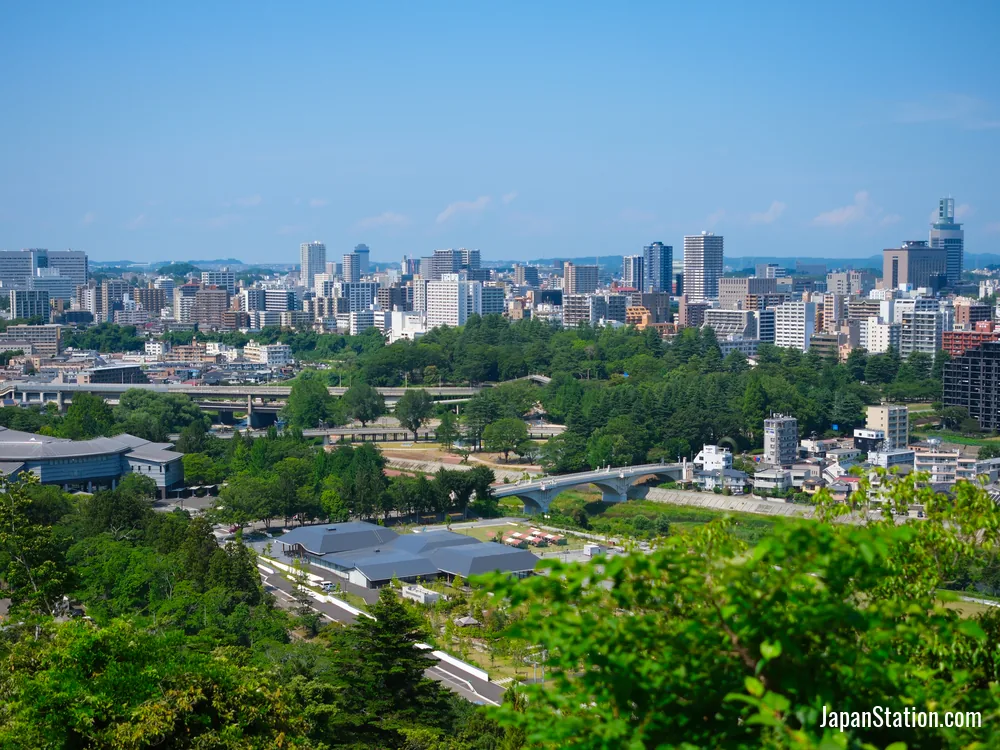
Sendai's "City of Trees" nickname fits the feel of the center. Zelkova-lined avenues, parks, and the Hirose River soften the scale of a city of about one million people.
History gives Sendai much of its character. Date Masamune built Sendai Castle and the surrounding castle town, and the castle site on Aobayama remains a clear place to connect that story with a broad view over the city.
Food and festivals add another layer to a visit. Beef tongue is the local specialty many travelers encounter first, while zunda sweets and sasa-kamaboko show different sides of the region's food culture. In August, Sendai Tanabata fills the central shopping arcades with large festival decorations.
Main areas
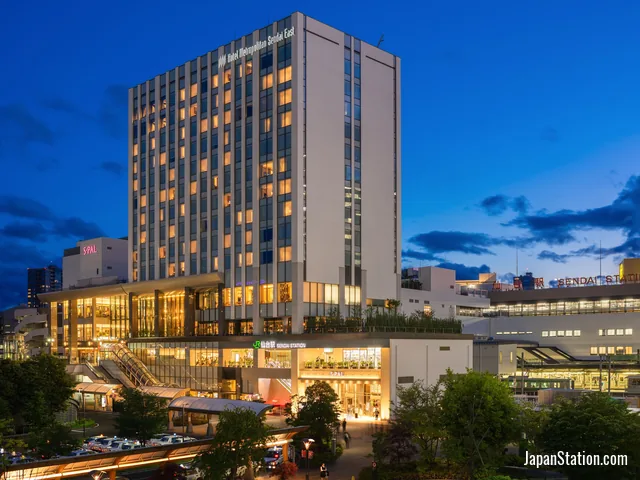
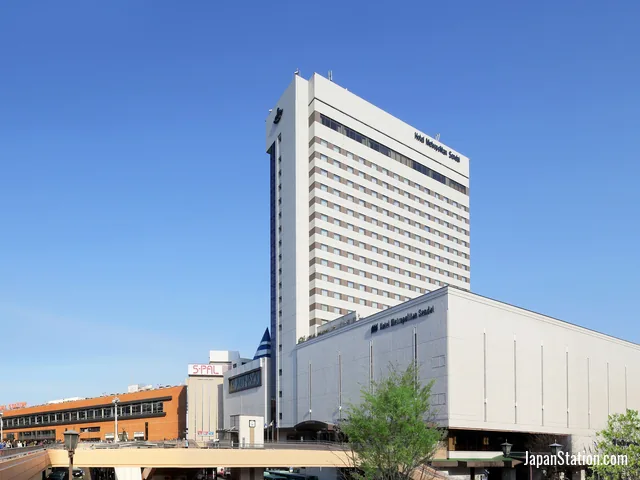
The Sendai Station Area is the simplest choice when luggage, rail timing, or day trips are important. The west side leads toward buses, shopping streets, Loople Sendai, and the older center. The east side is convenient for hotels connected to the rail complex, including Hotel Metropolitan Sendai East, and for plans around Miyagino-dori.
Aobayama brings the city's history and views into focus, especially around the castle site and museum side of town. Jozenji-dori offers the greener boulevard atmosphere, while Ichibancho and Kokubuncho are better for shopping, restaurants, and evenings out.
Hot-spring areas and regional sights take more planning than downtown stops. Akiu Onsen, Matsushima, and Yamadera are best treated as planned outings rather than casual walks from the center.
Getting around and onward travel
The subway and Loople Sendai cover many central sightseeing routes. JR local lines handle regional trips: the Senseki Line is useful for Matsushima, the Senzan Line runs toward Yamadera and Yamagata, and buses cover routes such as Akiu.
The direct airport train is one of Sendai's clearest travel advantages. The Sendai Airport Access Line links Sendai Airport with the main rail hub in about 25 minutes, usually with two or three trains per hour, so air arrivals can comfortably stay near the trains without relying on taxis.
Where to stay and where to go next
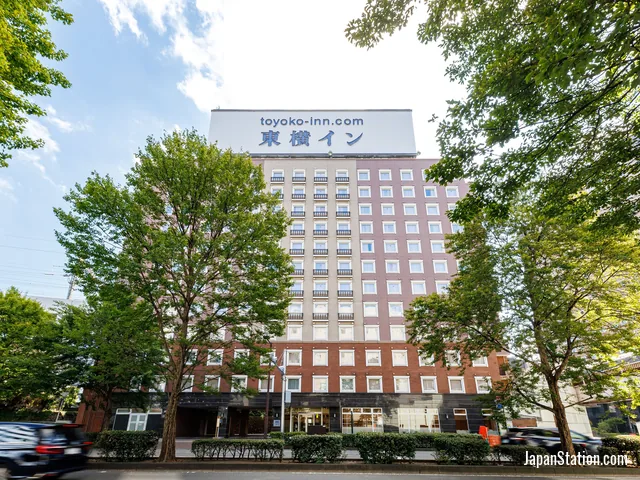
Stay near the rail hub if your plans depend on Shinkansen timing, airport rail, luggage, or repeated day trips. Choose the central shopping and nightlife streets if evenings matter more than early departures.
Sendai rewards more than a transfer. Add Aobayama, a proper local dinner, and one Miyagi side trip, and the city becomes a meaningful stay rather than just a stop between trains.