Overview
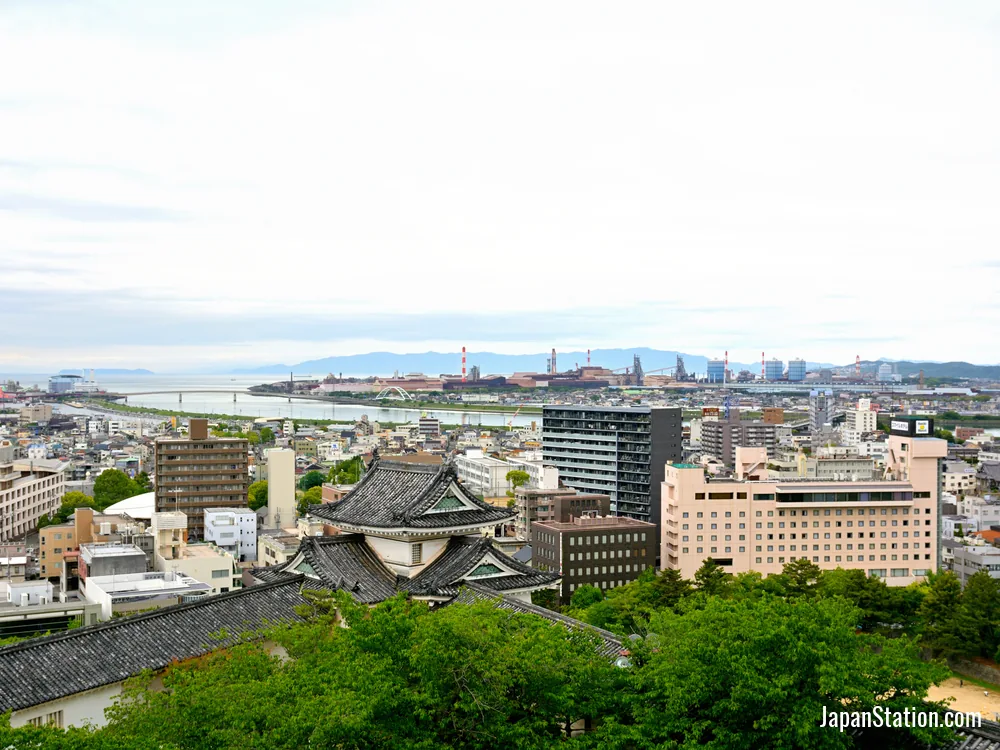
A hilltop castle overlooks central Wakayama, a coastal city south of Osaka on the northwestern side of the Kii Peninsula. The castle gardens and local ramen shops make for an appealing day trip from Kansai, while the shoreline offers enough variety for a longer stay. You can walk beside Wakanoura's tidal flats or take a boat from Kada to explore the old fortifications of Tomogashima.
The coastal sights aren't concentrated in one district. On a first visit, combine the castle with a meal in town, then choose one coastal outing rather than trying to cover the entire shoreline in an afternoon.
The castle and its gardens
Founded in 1585, Wakayama Castle later became a stronghold of the Tokugawa clan. The white-walled tower was rebuilt in 1958 after wartime destruction. Climb to the upper floor for views across the city, then leave time for the gardens below.
Nishinomaru Garden, also known as Momijidani Garden, follows the hillside and uses part of the inner moat as a pond. Its maples are particularly attractive in autumn. Nearby, the enclosed Ohashiroka bridge crosses the moat on a slope; the present structure was recreated from historical drawings in 2006. Cherry blossoms provide another reason to visit the castle grounds in spring.
The grounds are about a 15-minute walk from Wakayamashi Station. From Wakayama Station, the bus ride to Wakayama-jo-mae takes roughly ten minutes.
Ramen and seafood
Local ramen usually combines pork-bone broth with soy sauce, although the balance varies between shops. Pressed mackerel sushi is a traditional accompaniment.
Seafood becomes more prominent along the coast. Whitebait over rice is a dish to look for around Wakanoura, while Kuroshio Market brings seafood stalls and places to eat together in one location.
Wakanoura and Marina City
Wakanoura lies south of the center around the mouth of the Waka River. Its tidal flats change with the water level, and the path from Furobashi Bridge toward Kataonami Park opens onto views across them. Low tide is a good time to look for shorebirds. Shrines and small hills overlooking the water add further stops to the walk.
Farther along the coast, Wakayama Marina City is a resort complex. Kuroshio Market is its main food stop, with tuna-filleting demonstrations, seafood barbecues, and fish for sale. A local bus connects JR Wakayama Station with Marina City. Allow for that journey when adding the market to a day of castle sightseeing.
Kada and Tomogashima
For an island trip, take the Nankai Kada Line from Wakayamashi Station to Kada, then continue to the harbor for the ferry. The crossing to Tomogashima takes about 20 minutes. On Okinoshima, the main island visited by travelers, woodland paths lead to red-brick military ruins.
The outing depends on the boat schedule. Sailings vary by season and can be canceled in rough weather, so check the day's operating notice and the return ferry before setting out. Allow time for the journey to Kada, the walk to the harbor, and exploring the island, not just the crossing.
Arriving by train or from the airport
Wakayama's two main stations serve different routes. JR Wakayama Station has trains from Osaka and Tennoji, along with Kuroshio limited expresses from Shin-Osaka. Nankai's Southern limited express from Namba arrives at Wakayamashi Station, where you can change for the Kada Line. These are separate stations.
A direct limousine bus runs from Kansai International Airport Terminal 1 to JR Wakayama Station in about 40 minutes. Check departure times before relying on it for a flight connection. By rail, the JR route requires a change at Hineno, while the Nankai route to Wakayamashi requires a change at Izumisano.
Where to stay and continue your trip
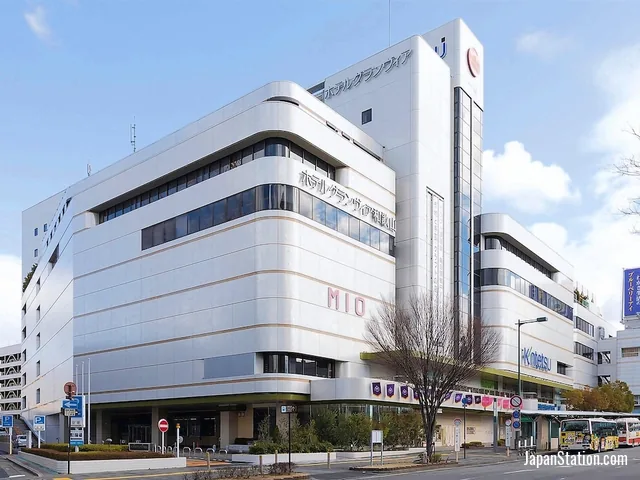
The Wakayama Station Area keeps JR trains, airport buses, and nearby shops close together. Staying around Wakayamashi is more convenient for arrivals from Namba and trips on the Kada Line, while hotels near the castle place its grounds closer to your door. Match your hotel to the station you'll actually use.
For a longer journey down the Kii Peninsula, Kuroshio trains continue south toward Shirahama and Shingu. Once the focus shifts from the castle and nearby coast to the wider peninsula, moving to accommodation farther south avoids returning to the city each night.